Gold-backed exchange-traded funds are still pulling in cash even after bullion’s sharpest monthly drop of the year, a sign that investors are using the pullback to add exposure rather than abandoning the trade.
Gold ETFs Draw Record Inflows After September Drop

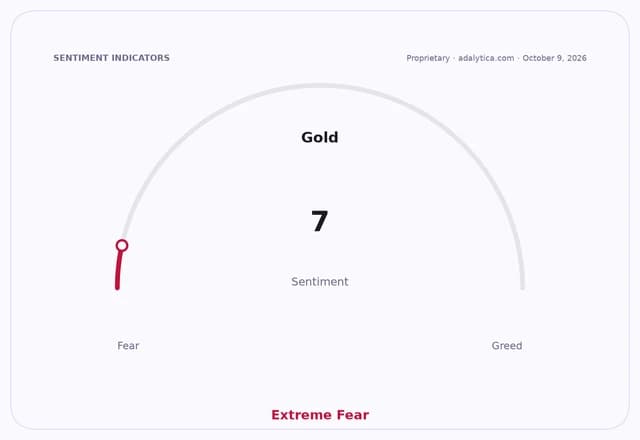
That matters because it suggests gold’s underlying bid is broader and more durable than the recent price action implies. The World Gold Council said global gold ETFs took in a record $10 billion in September, pushing third-quarter inflows to an all-time high of $31 billion, even as the metal fell 8.5% that month to $4,176 an ounce. Holdings climbed to a record 4,256 tonnes, underscoring that the demand base has not cracked.
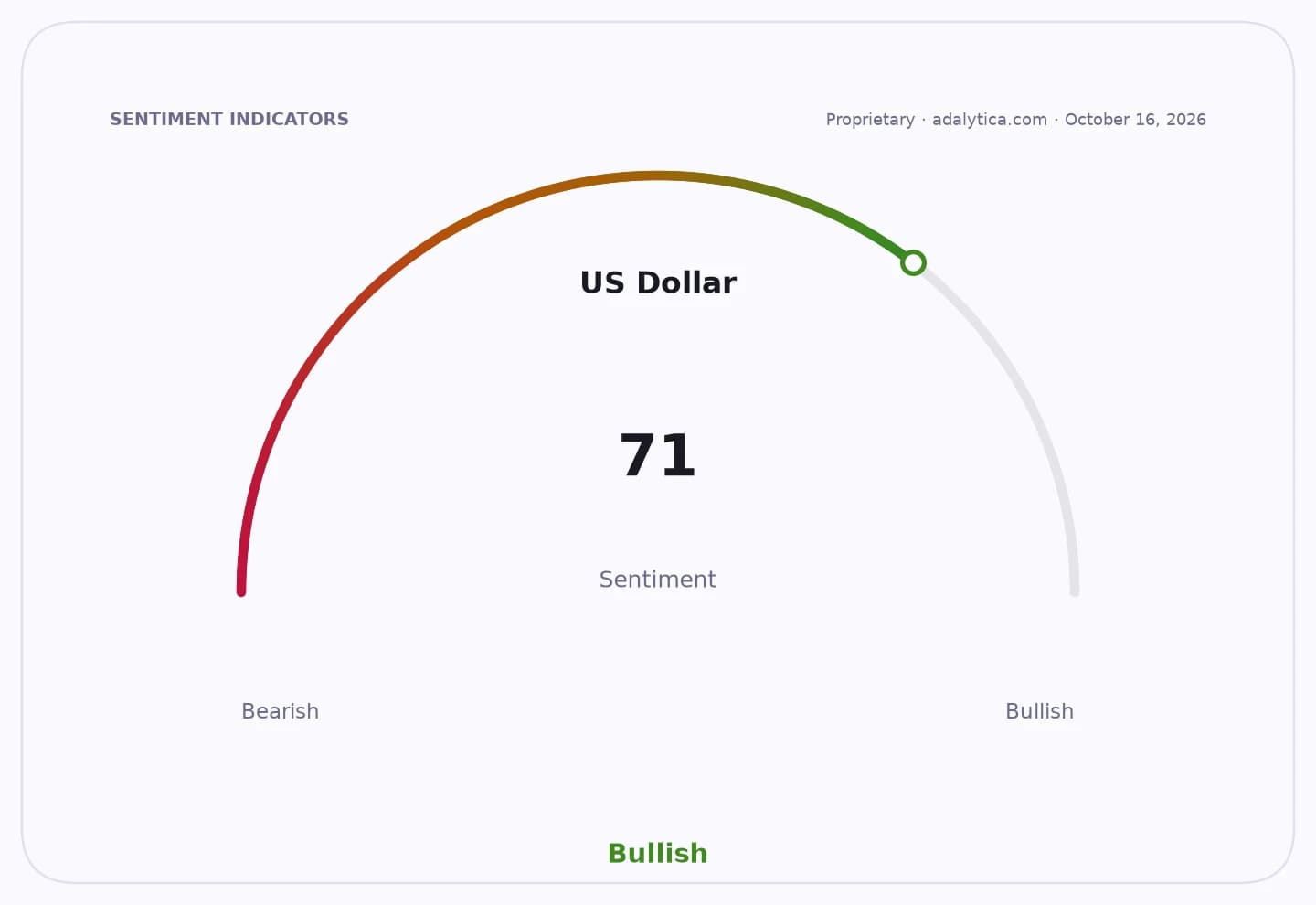
The split is important for markets because the decline appears to have been driven more by futures liquidation than by liquidation from long-term holders. BMO Capital Markets said Comex managed-money positions and spread positions fell sharply in September, helping pressure the price as U.S. Treasury yields rose and the dollar firmed. The 10-year Treasury yield jumped 53 basis points to 5.3% last month, while the dollar index rose 2%. Yet ETF buyers kept coming, with funds still taking in $1.4 billion last week alone.
For investors, that combination argues the gold trade may be changing character. The market is no longer just reacting to inflation or one-off risk shocks. The council said ETF demand increasingly looks like protection against fiscal strain and bond-market volatility, with buying concentrated not only in the U.S. and Europe but also in the U.K., where listed funds drew a record $7.5 billion in the quarter. U.K. ETFs have now taken in $9.5 billion this year, narrowly overtaking Chinese-listed products as the biggest country-level source of inflows.
That is a powerful message for asset allocators: gold is behaving less like a panic hedge and more like a strategic reserve against sovereign stress. Rising term premiums in U.K. government bonds have coincided with the ETF rush, while similar buying has shown up in France and Germany. The parallel in physical markets reinforces the point. India’s domestic gold price has moved to a premium over London, Chinese premiums remain firm, and central banks added 39 tonnes in August, led by China, Poland and Uzbekistan.
The setup leaves gold exposed to near-term volatility if real yields stay high and the dollar extends its rebound. But the deeper thesis is intact: ETF demand, physical buying and central-bank accumulation are still absorbing supply even as futures traders exit. That is the kind of divergence that often marks a pause, not an end, in a secular bull market. For investors, the better trade may be to treat the selloff as a positioning reset and use it to build exposure to gold, bullion-backed funds and the miners leveraged to a renewed uptrend.
| Entity | Gains | Losses |
|---|---|---|
| Gold ETF investors | ▲Buy the dip | ▼Short-term mark-to-market pain |
| Gold futures speculators | ▲Profit from price swings | ▼Forced liquidation risk |
| Bullion-backed ETFs | ▲Record inflows | ▼Higher volatility in NAV |
| Gold miners | ▲Stronger long-term demand backdrop | ▼Near-term pressure from lower spot prices |