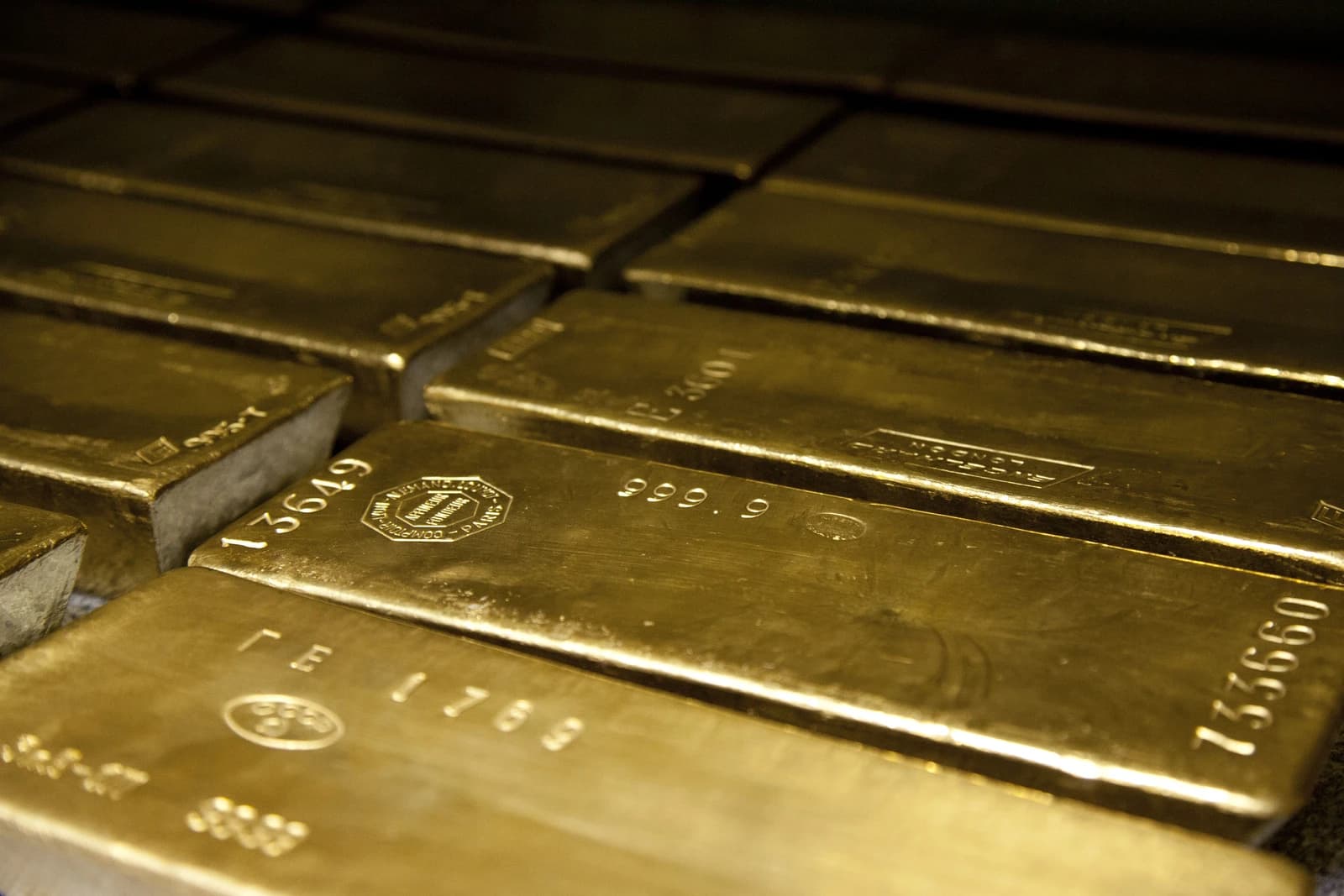
Gold’s latest slide is less a verdict on the metal than a verdict on the market’s current reading of Federal Reserve policy. A run of hotter-than-expected US inflation data pushed bullion down this week, but economist Peter Schiff says the decline is the kind of pullback that should be bought, not feared, because it reflects investors betting the Fed will ultimately stay behind the inflation curve.
Gold Falls on Hot Inflation and Fed Hike Bets

The economic significance is straightforward: if inflation is still accelerating while policy rates remain elevated, real rates can stay restrictive for longer, which typically keeps pressure on non-yielding assets such as gold in the near term. Yet that same setup also strengthens the longer-term bull case for bullion if investors conclude the Fed cannot fully contain price pressures without sacrificing growth. That is the core tension now driving the market.
Sentiment IndicatorsⓘProprietary · adalytica.com · October 22, 2026
This is a snapshot — live sentiment, awareness and momentum for 130+ markets update continuously in the dashboard.Open AlphaPulse

US consumer prices rose 3.7% from a year earlier in September, above the 3.6% forecast, while producer prices jumped 6.3%, the biggest annual gain since 2022. Import prices also increased 1.1% in September. The three data points in as many days reinforced the view that inflation is not easing cleanly, and traders responded by selling gold rather than adding to inflation hedges. Gold fell about 0.6% this week and has dropped more than 2% over the past month, with the sharpest move coming on the CPI release before some of the losses were trimmed.
That reaction matters for investors because it shows the market is still prioritising the path of Fed rates over the inflation hedge argument. Gold does not pay income, so it competes poorly when traders expect the central bank to remain aggressive. CME FedWatch pricing implies a 90% chance of a December hike, underscoring that markets are still positioned for further tightening or at least higher-for-longer policy. By that logic, the recent gold weakness is consistent with a stronger dollar and firmer yields, both of which typically cap bullion demand.
But Schiff’s argument is that this is exactly the wrong way to read the macro backdrop. He says the Fed has already failed in its inflation fight, making the current gold decline a buying window rather than a warning sign. In his view, gold should have surged after the hotter prints, not sold off, because persistent inflation eventually exposes the limits of rate hikes. If that thesis gains traction, the market would stop treating inflation as a reason to sell gold and start treating it as evidence the Fed has little room to loosen policy without reigniting price pressure.
The broader market backdrop still leans against that view for now. Capital Economics expects gold to fall by year-end as the Fed keeps rates higher, and Bank of America also sees bullion ending 2026 below $4,000 an ounce. The pressure has already spread across precious metals, with silver sliding to its lowest level of 2026 after the CPI release. Gold-linked exchange-traded funds have also been volatile, with GLD falling below both its 50-day and 200-day moving averages and its RSI easing toward neutral-to-weak territory, while miner proxy GDX has also slipped back under key trend levels. Adalytica’s Gold Fear & Greed Index shows sentiment at 54, neutral, but awareness at “extreme fear,” a sign of caution rather than conviction.
For investors, the key question is whether the current selloff reflects a temporary repricing of rate expectations or the start of a more durable correction in a market that had already been richly bid. A sustained move above inflation forecasts, combined with a Fed that still tightens, would likely keep pressure on gold in the short run. But if inflation continues to surprise to the upside and policy makers cannot bring it down, the case for holding bullion as a monetary hedge could reassert itself quickly.
| Entity | Gains | Losses |
|---|---|---|
| US dollar and Treasury bears | ▲Firmer policy expectations | ▼Gold and silver bulls |
| Fed hawks | ▲More room to justify tightening | ▼Dovish rate-cut bets |
| Gold buyers on dips | ▲Lower entry prices | ▼Near-term momentum traders |
| Gold miners and ETFs | ▲Potential rebound if inflation stays hot | ▼Margin and price momentum in the short run |