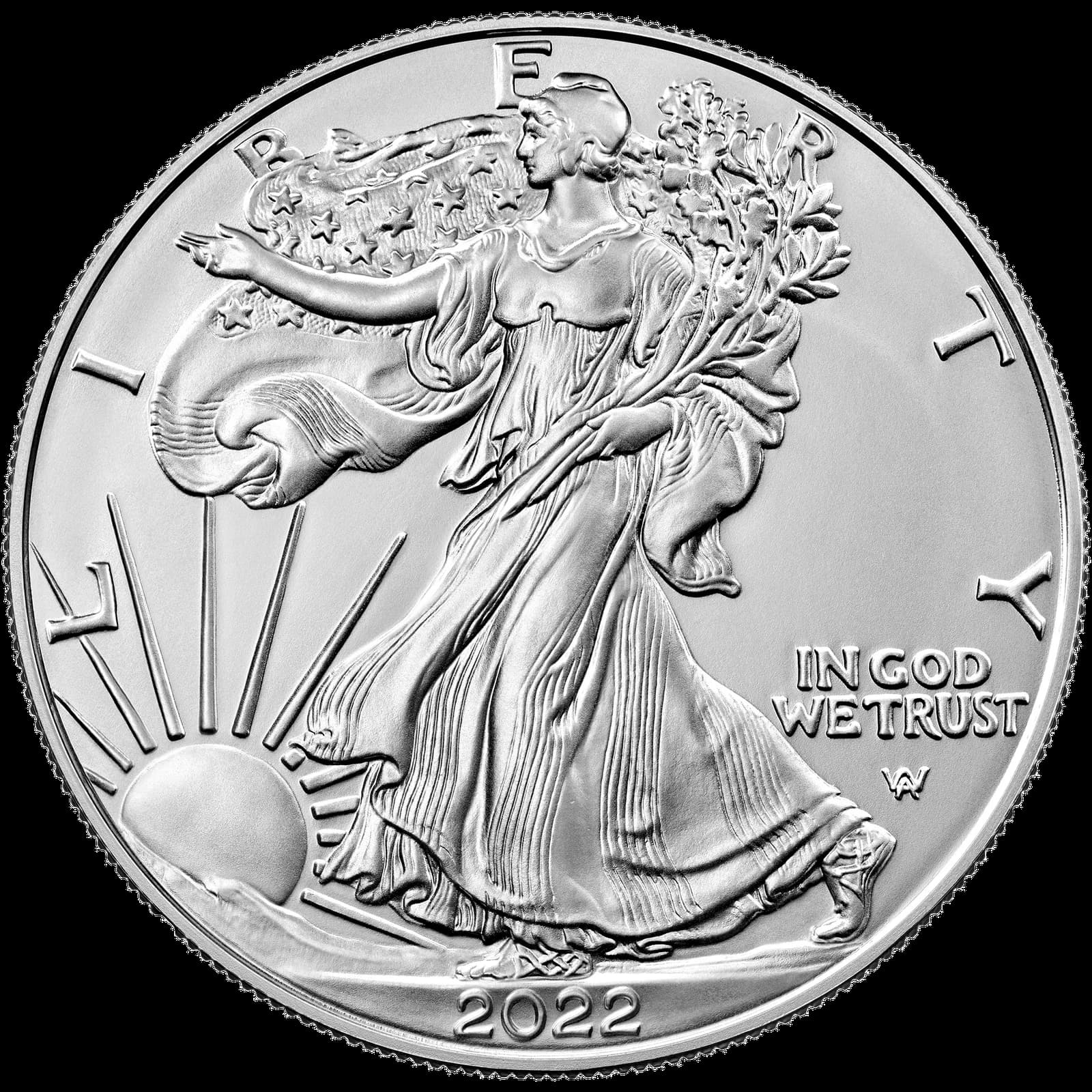
Gold fell to its weakest level since early October 2025 as traders reset for a longer period of high U.S. interest rates, lifting the dollar and Treasury yields and undermining the metal’s appeal as a non-yielding asset.
Gold Falls as U.S. Rates and Dollar Rise
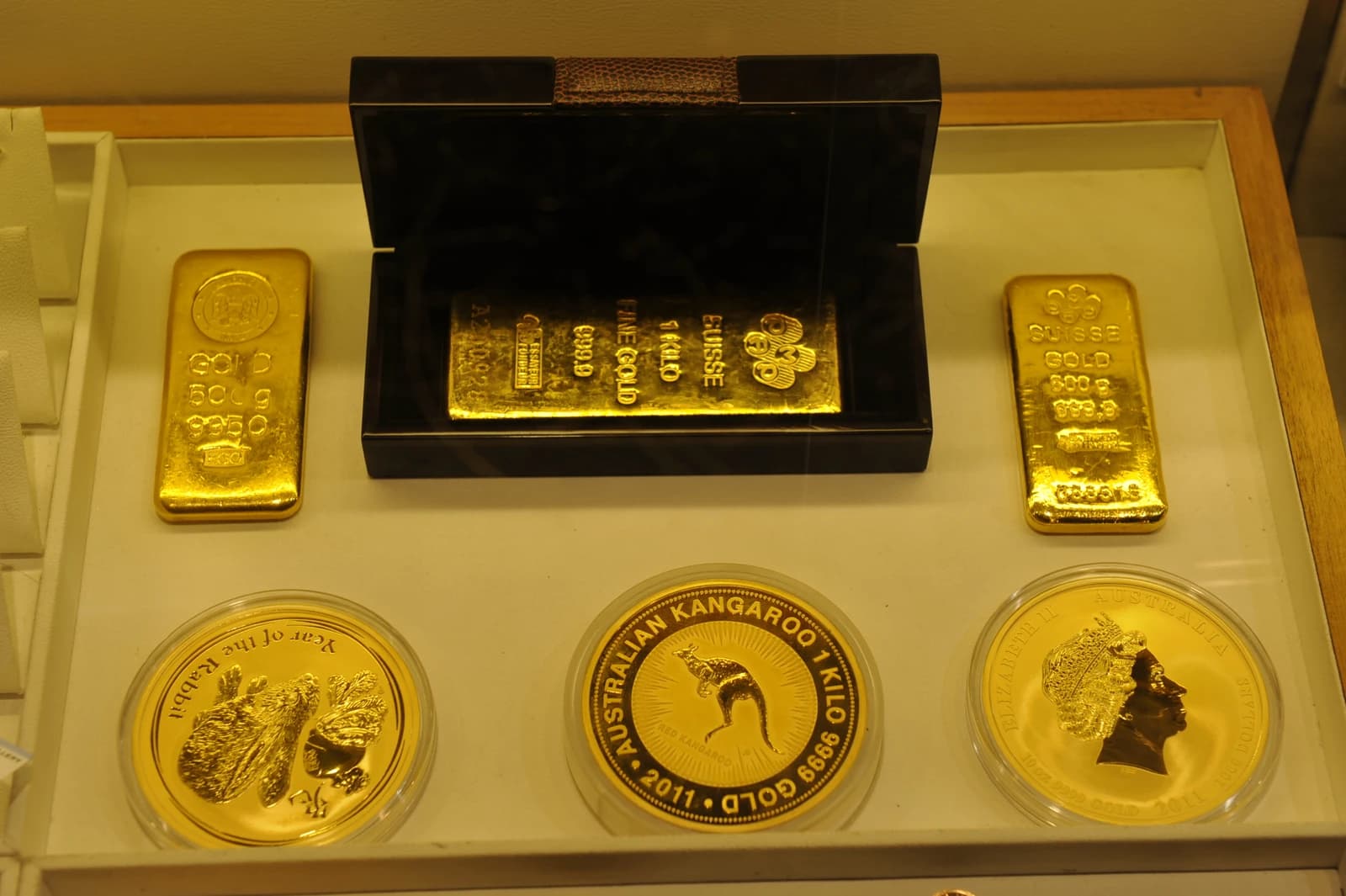
Spot gold tested about $3,835 an ounce and then slipped toward $3,800, a decline that matters far beyond the chart. The move reflects a shift in the market’s macro thesis: where investors once priced in Federal Reserve easing, they are now again weighing the risk of fresh tightening. That is a direct headwind for gold, which typically struggles when real yields rise and the dollar strengthens.
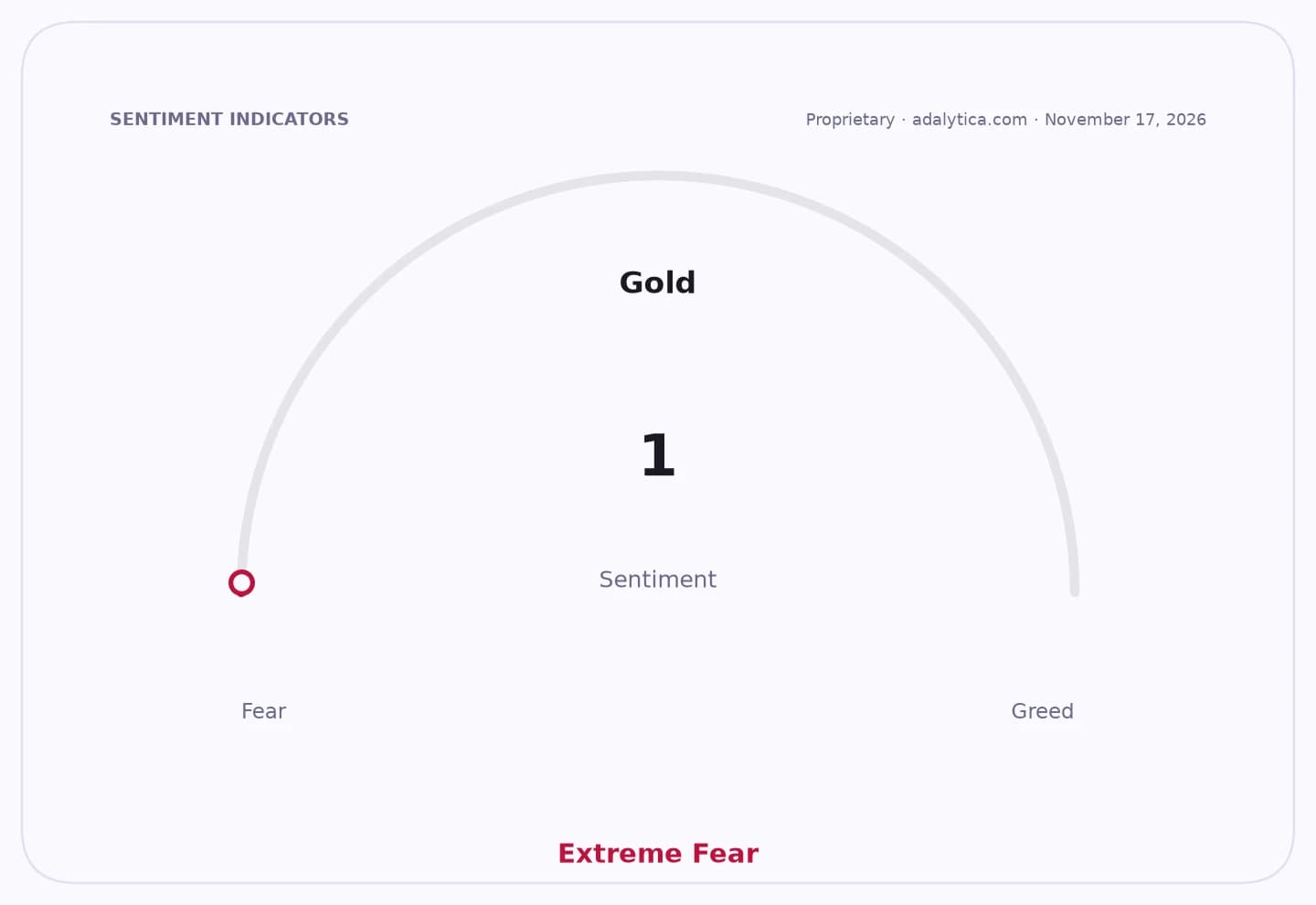
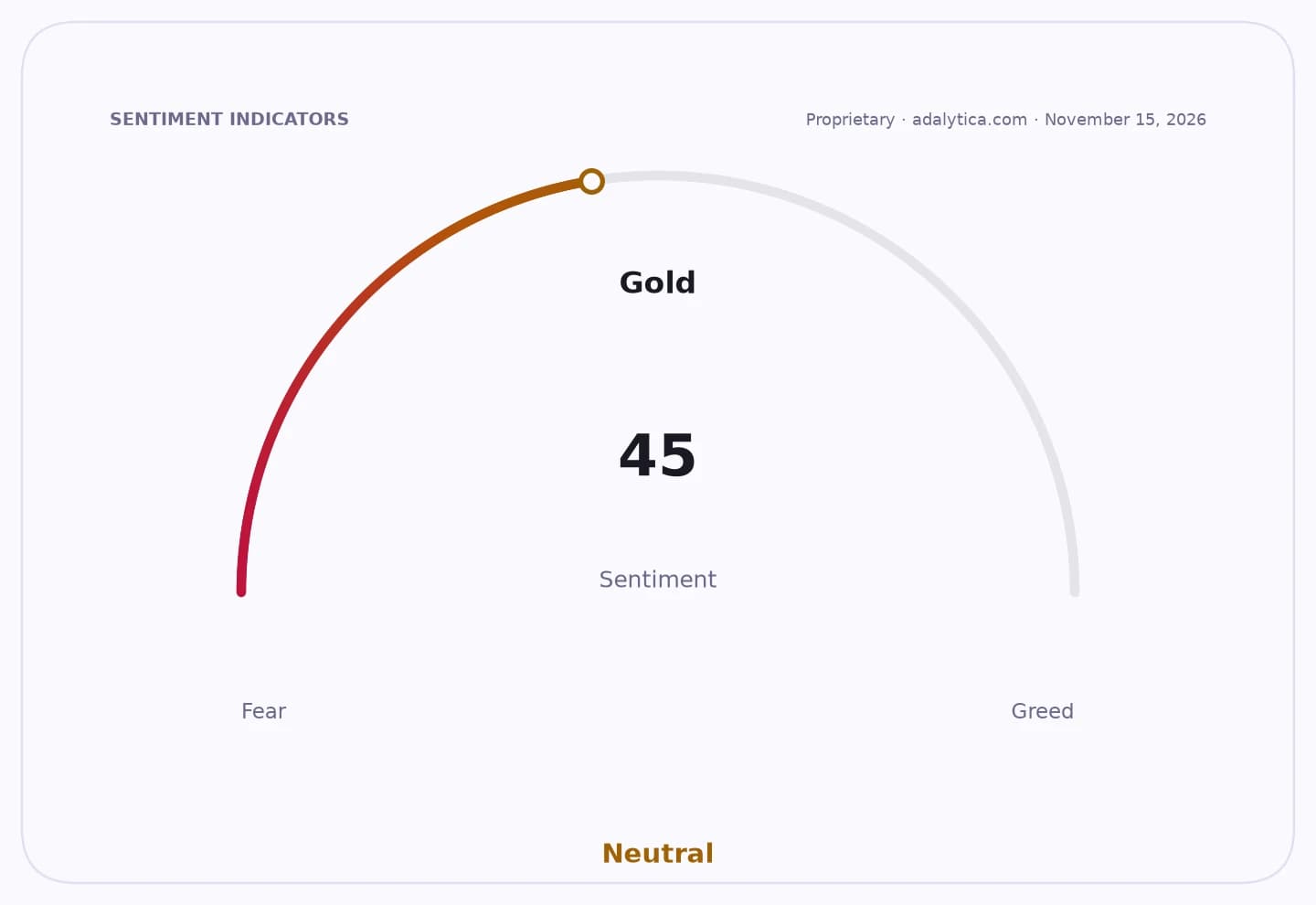
Sentiment Indicators
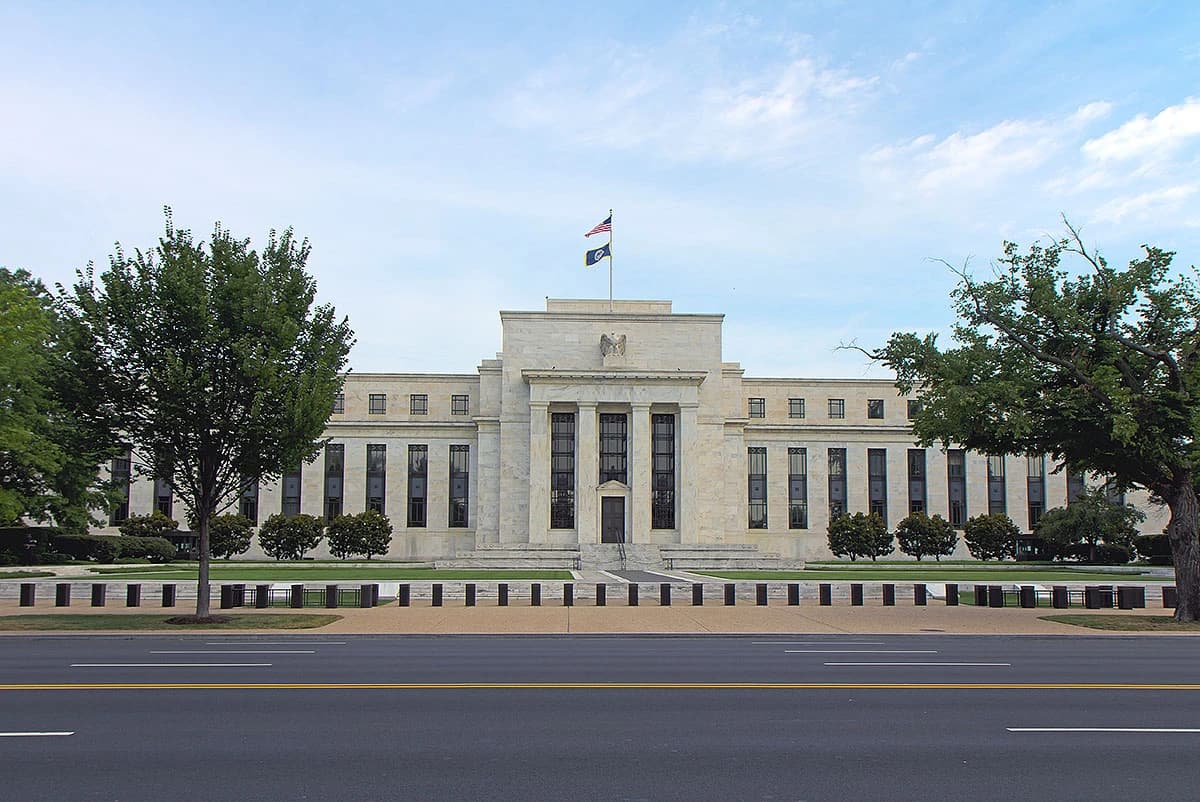
The latest U.S. inflation readings have been the catalyst. October CPI revived concerns that the Fed may need to keep policy restrictive for longer, with some market participants now even pricing in the possibility of three hikes by December, January and March, according to MUFG Bank. That would push the effective federal funds rate toward 4.6%, a level that would keep pressure on bullion by raising the opportunity cost of holding it.
The dollar’s move has been nearly as important as the rate outlook. The greenback has climbed to its highest level since April 2025, while 10-year Treasury yields have moved back toward 5%. Together, those shifts tighten financial conditions globally and tend to weigh on commodities priced in dollars. Even gold’s traditional safe-haven status has offered limited protection, with geopolitical tensions around Iran and the Strait of Hormuz failing to offset the macro drag.
Gold
Technically, the market remains vulnerable. Gold’s slide to the $3,835 area leaves $3,800 as the first major support, with some traders looking to $3,750 next. Marc Chandler of Bannockburn Global Forex said the market may not have found a durable floor yet and sees a deeper move toward $3,500 if support breaks decisively. The metal’s drop is now around 30% from its January peak, underscoring how quickly positioning has reversed.
Still, the bearish case is not unanimous. The World Gold Council argues that this correction differs from the prolonged post-2011 bear market because the current retreat is driven more by shifting rate expectations and an already-powerful dollar than by a structural collapse in demand. It also notes that some of the dollar’s strength may already be priced in, which could eventually slow the selling and allow for a rebound if U.S. data soften.
For investors, the immediate message is that gold is now trading as a macro-sensitive asset rather than a pure hedge. Bulls need either a pause in dollar strength or a more dovish turn in Fed expectations to stabilise prices. Bears, by contrast, are betting that sticky inflation keeps policy tight and real yields elevated long enough to force another leg lower. The next decisive catalyst will be the U.S. data flow, which will determine whether $3,800 becomes a base or just another stop on the way down.
| Entity | Gains | Losses |
|---|---|---|
| U.S. dollar | ▲Higher yield advantage | ▼Gold demand |
| U.S. Treasury yields | ▲Stronger inflows | ▼Bullion prices |
| Gold bears | ▲Momentum trade | ▼Long positions |
| Gold miners | ▲None | ▼Margin and revenue pressure |