Gold, silver and crude oil weakened late Thursday, while natural gas extended a sharp rally, leaving commodity traders to navigate a market split between softer precious and energy prices and firmer gas on tighter near-term supply expectations.
Gold, oil fall as natural gas rises
The broad move matters because it points to a repricing of inflation and growth risks across raw materials, not just a one-off dip in metals. Lower oil and precious-metal prices can ease input costs for refiners, manufacturers and consumers, but they also reflect fading appetite for inflation hedges and a less supportive backdrop for resource producers.
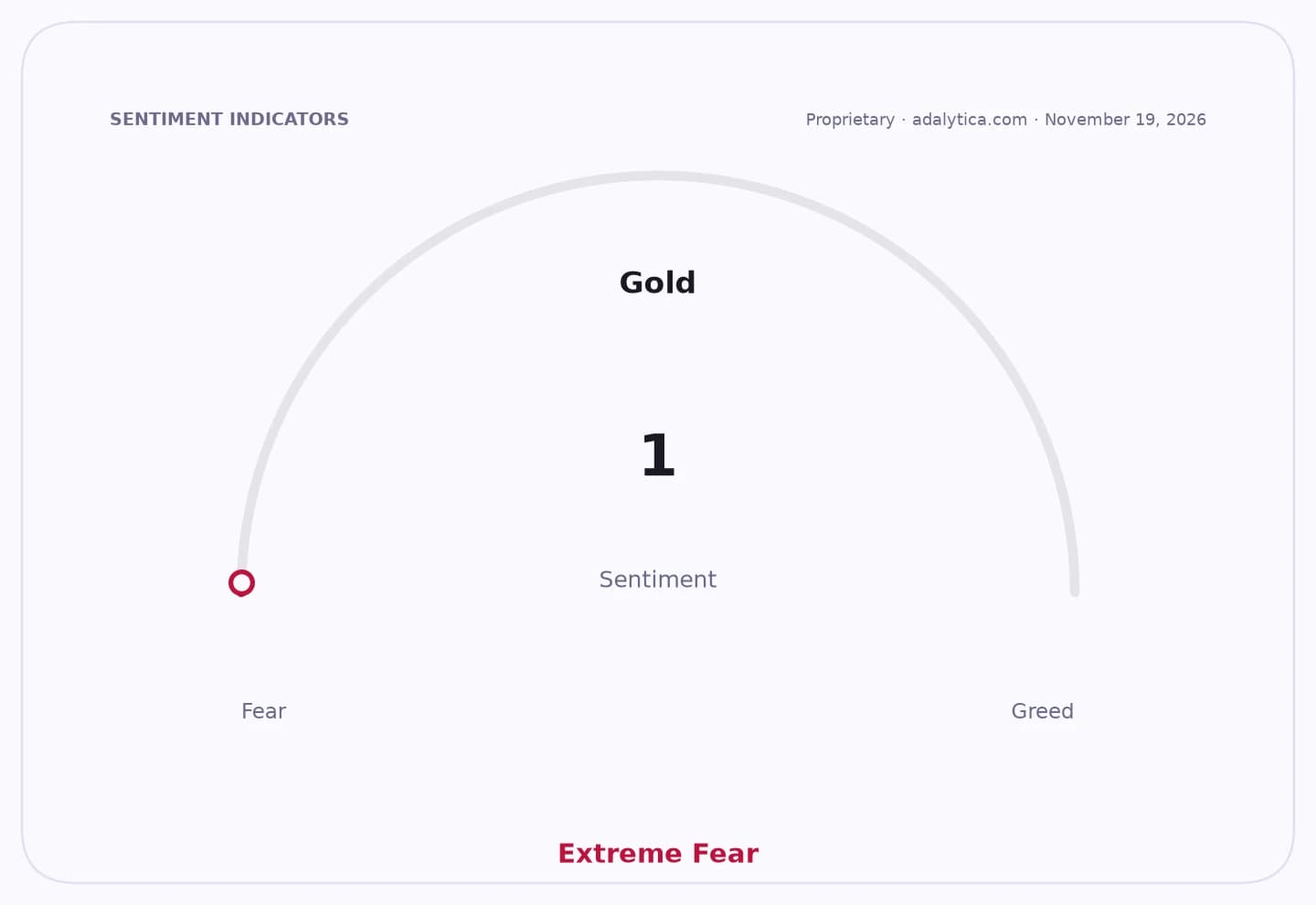
Sentiment Indicators
Gold
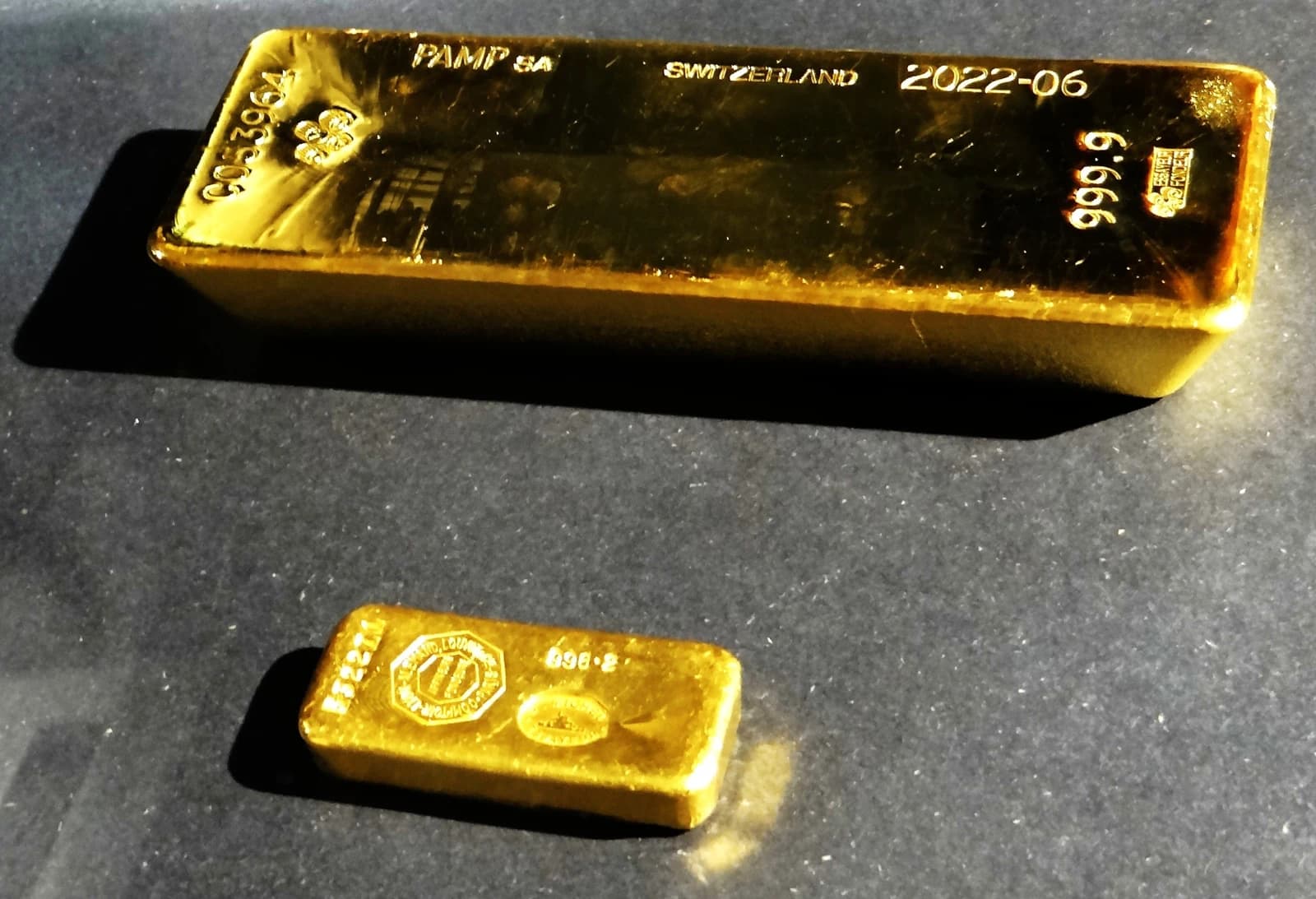
Gold fell 3.35% to $3,721.28 an ounce from $3,850.39 the day before, while silver dropped 5.38% to $44.88. Platinum slid 4.62% to $1,363.50 and palladium lost 2.76% to $951.50. In energy, Brent crude declined 1.37% to $91.86 a barrel and U.S. WTI was down 3.14% at $83.31. Heating oil eased 1.98% to $104.88.
The move in bullion comes as rate expectations and the U.S. dollar remain key cross-currents for metals. Adalytica’s Gold Fear & Greed Index showed “Extreme Fear,” with sentiment at 0, even as awareness stayed elevated at 81, underscoring a market that is highly attuned to gold but increasingly cautious about chasing it higher. Silver’s larger decline suggests traders are trimming both safe-haven and industrial-exposure positions after a strong run.
Crude’s pullback is equally important for equities and macro traders. Oil had been supported by geopolitical risk, but softer prices now point to the market giving more weight to inventory and demand signals. That is constructive for inflation-sensitive sectors and transport-heavy industries, but it can pressure energy shares and the cash flow outlook for producers if the move persists.
Natural gas was the clear exception. U.S. natural gas rose 5.77% to $3.39, while European TTF gas slipped 3.80% to 81.24 euros, highlighting a regional split in gas fundamentals. The U.S. move may reflect tighter weather-driven balance, while the TTF decline suggests a somewhat easier European supply picture.
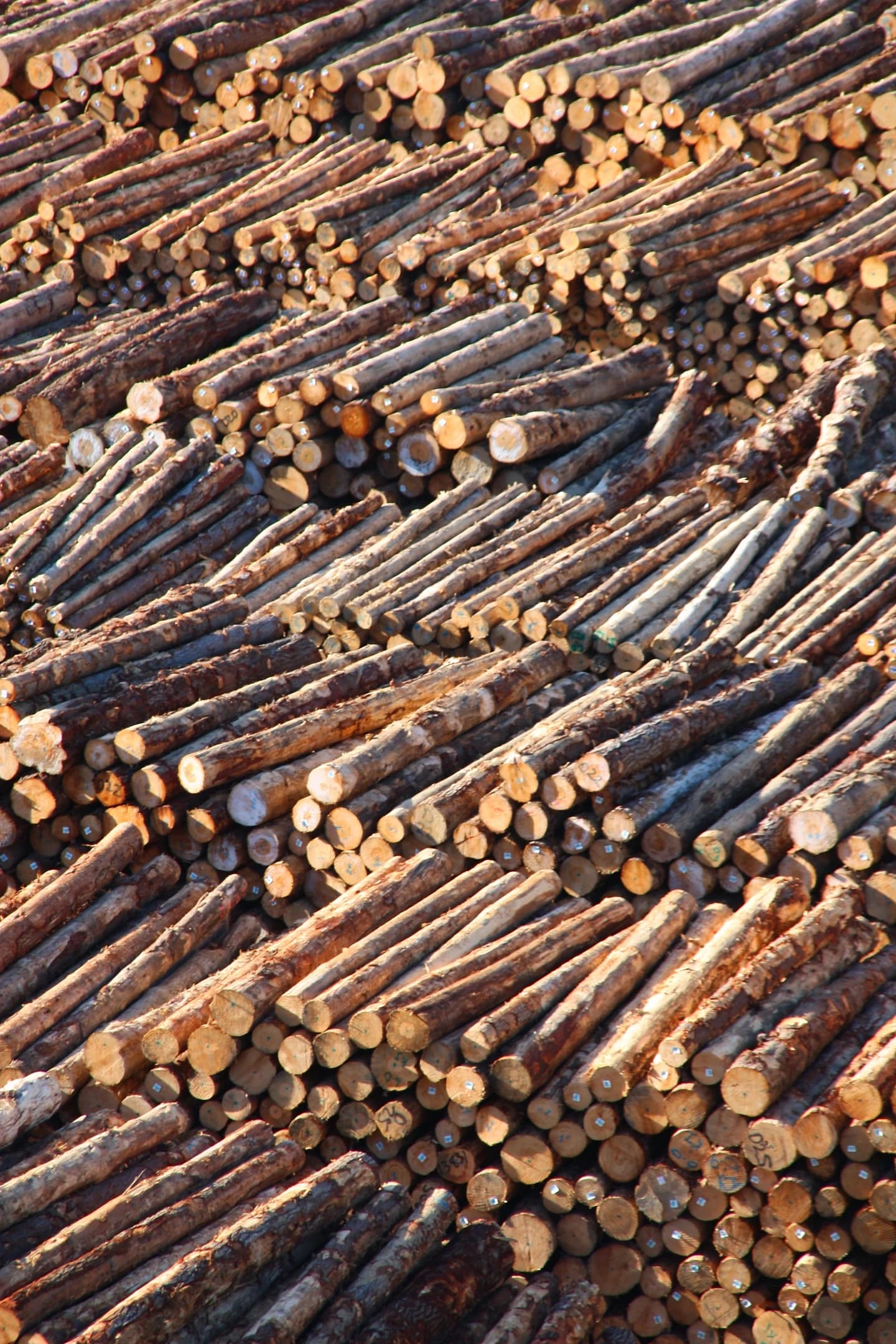
Agricultural and soft commodities were also mostly weaker, with cotton, oats, corn, orange juice, soybeans and lean hogs all lower, while live cattle and feeder cattle edged higher. Wood prices rose 1.42% to $535, one of the few notable gainers, suggesting selective strength in construction-related raw materials even as the broader commodity tape softened.
For investors, the key question is whether Thursday’s move is the start of a broader correction in hard assets or just a pause after an extended rally. If oil and gold continue to ease while gas remains firm, markets could see a more nuanced inflation picture: less pressure from fuel and precious metals, but lingering volatility in utilities, industrials and energy-related portfolios.
| Entity | Gains | Losses |
|---|---|---|
| Consumers | ▲Lower fuel and metal costs | ▼Less protection from inflation hedges |
| Energy producers | ▲- | ▼Softer crude pricing and margins |
| Gas producers | ▲Higher U.S. gas prices | ▼European gas weakness in TTF |
| Industrials/transport | ▲Cheaper input costs | ▼- |