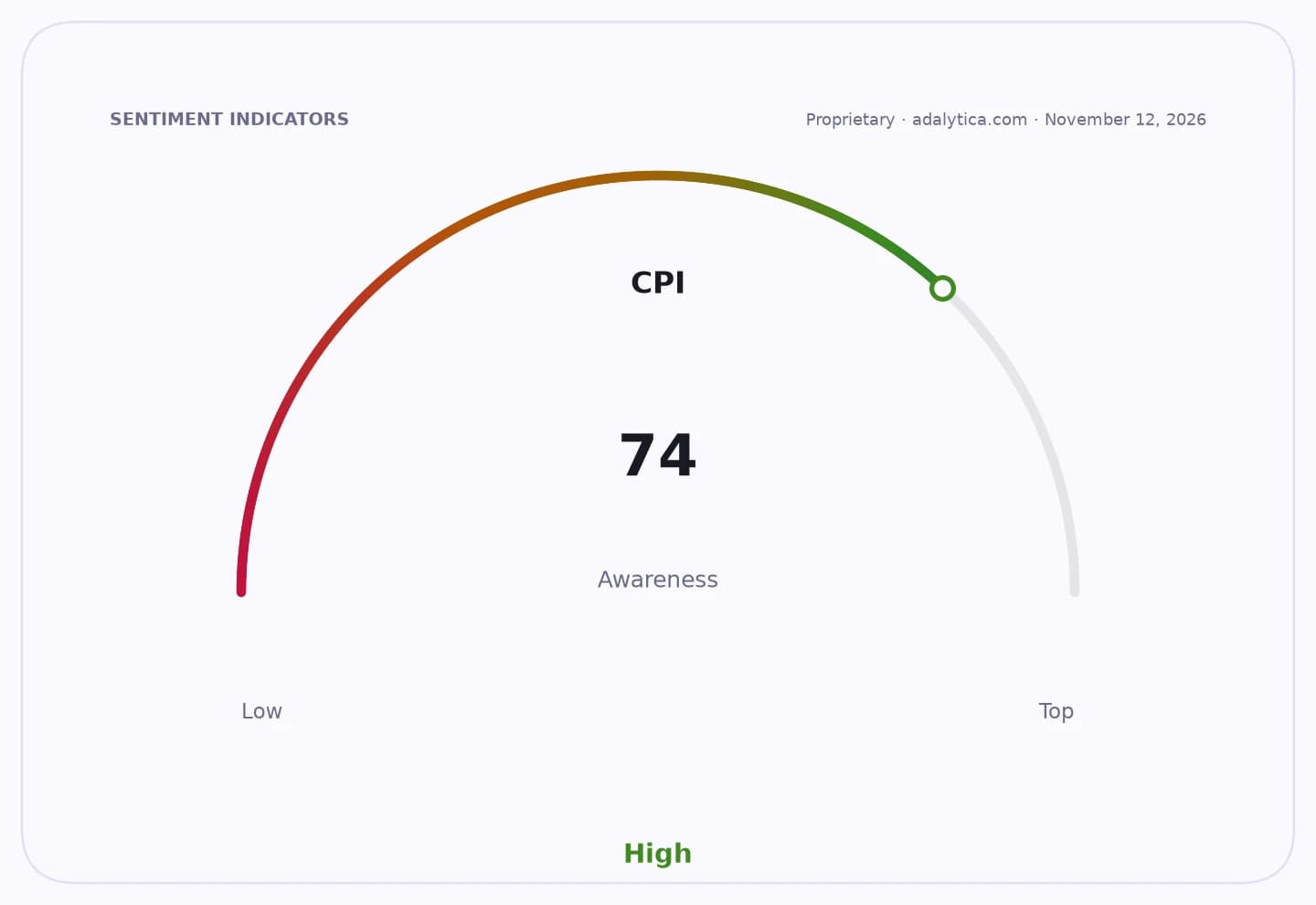
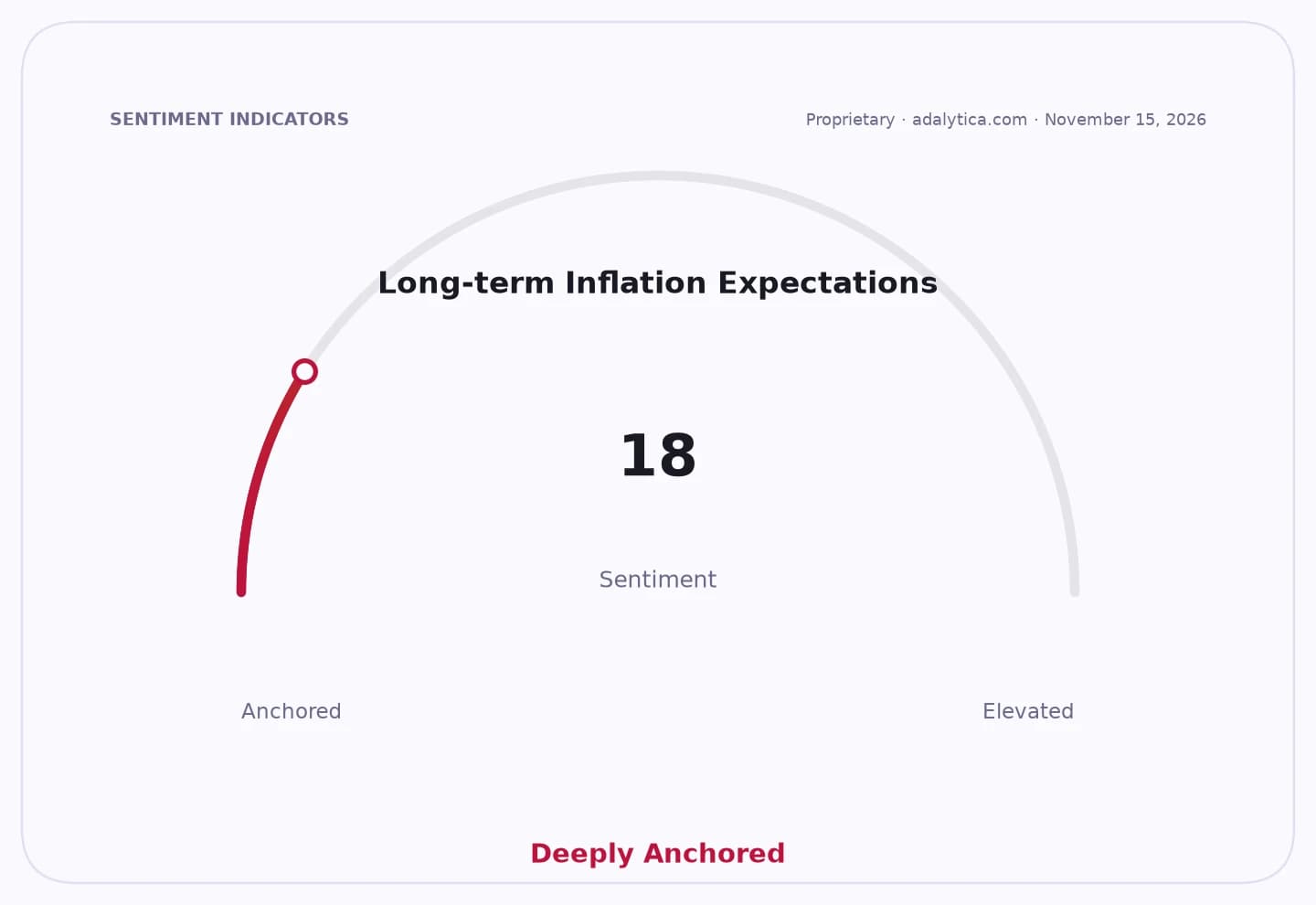
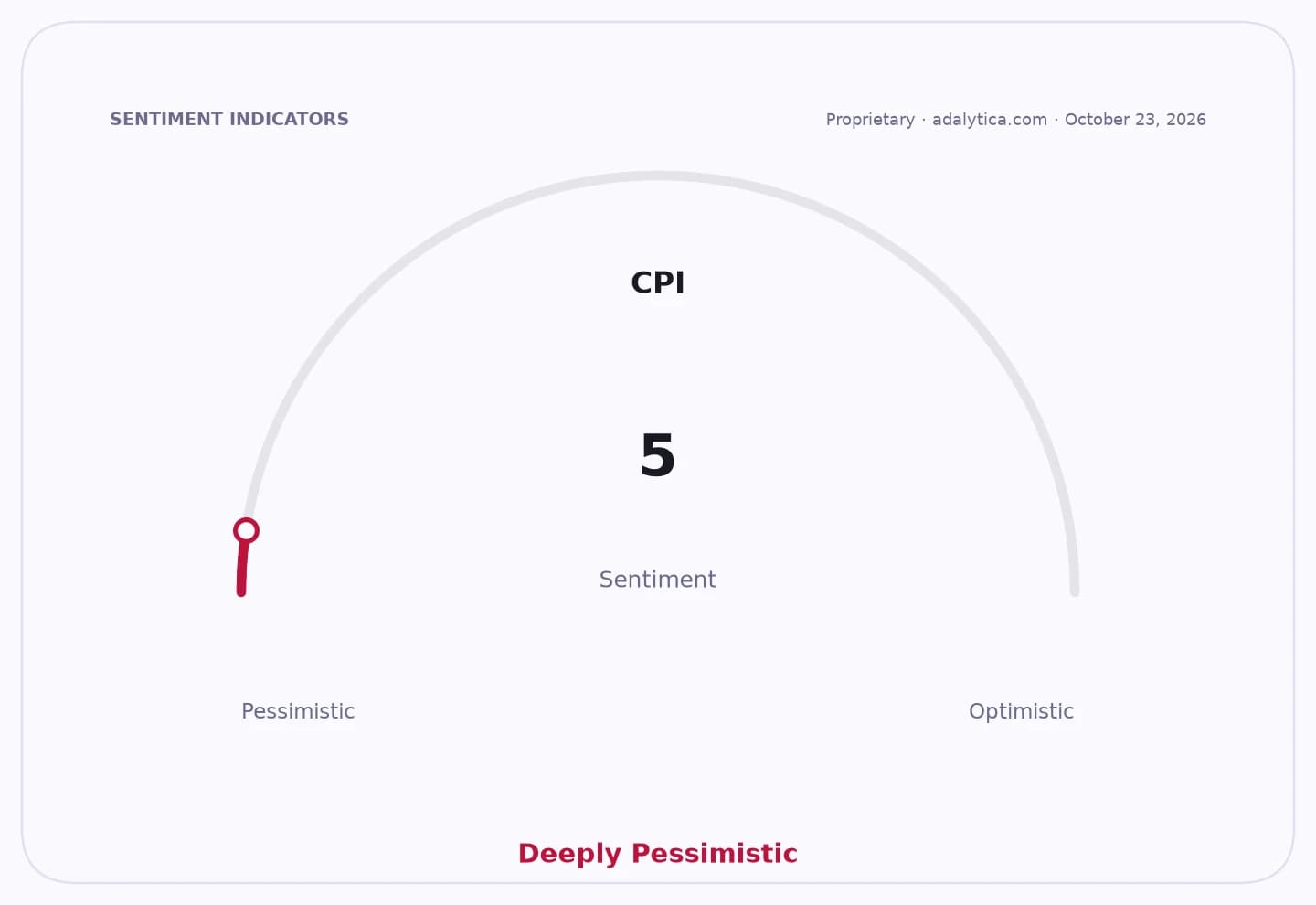
Inflation risks are re-accelerating as the price of daily commodities has climbed 7.52% in two months, a move that reinforces the market’s concern that energy and food costs are once again feeding through to consumers and keeping policymakers under pressure.
Commodity Prices Rise as Inflation Pressures Rebuild
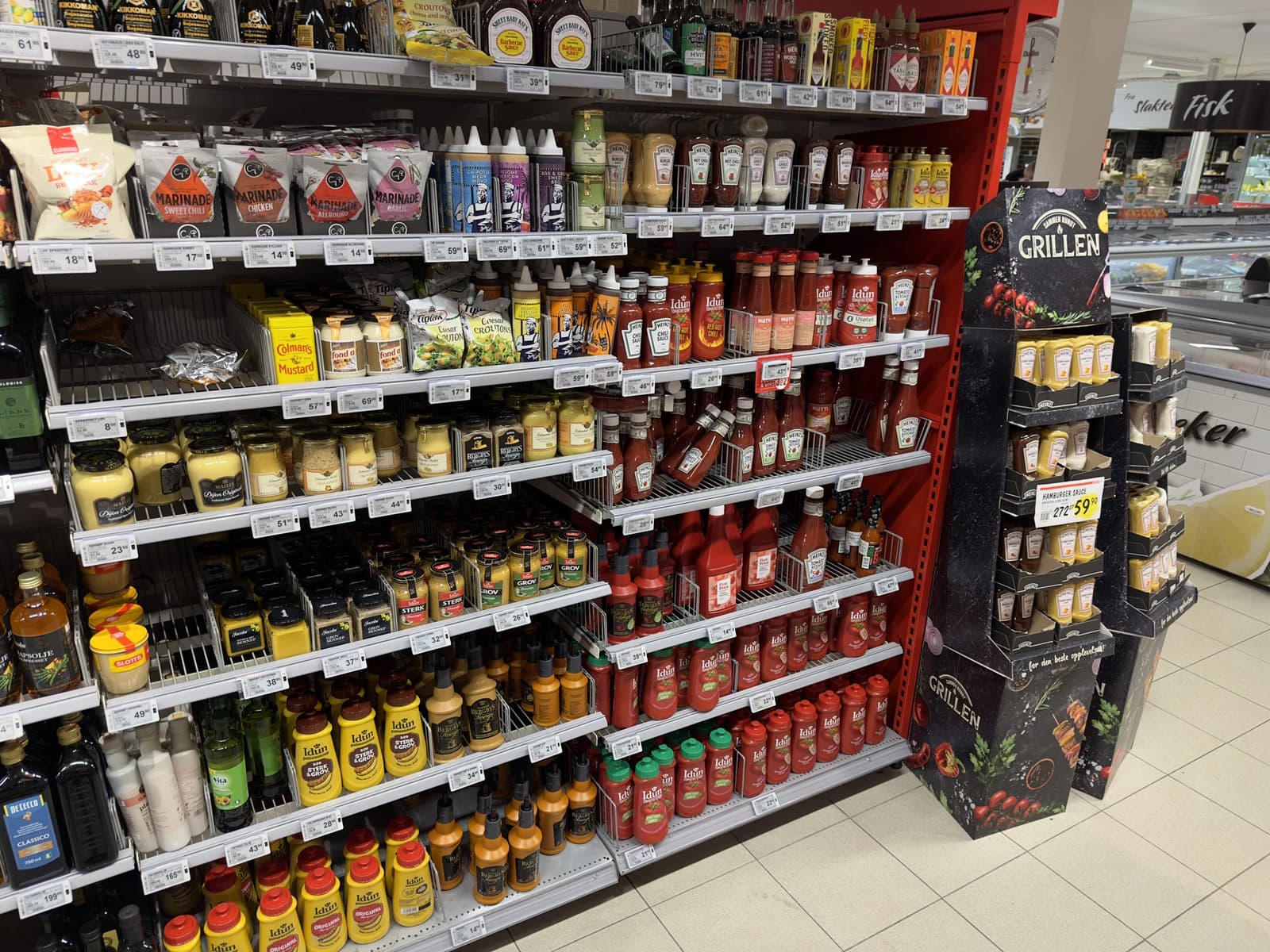
The latest inflation data show that the broad cost of living remains sticky even after earlier disinflationary gains. U.S. consumer prices and core prices have continued to edge higher, while producer prices have also risen, suggesting that businesses are still facing higher input costs and are not fully absorbing them. That matters because commodity-led inflation tends to arrive first at the wholesale level and then filter into household budgets, store shelves and wage demands.
Sentiment Indicators
The move comes against a backdrop of renewed strength in commodity-sensitive assets. The Invesco DB Commodity Index Tracking Fund, DBC, has surged well above its 50-day moving average and 200-day moving average, even after a recent pullback, while its RSI and MACD readings have shown the kind of momentum that often accompanies a sharp commodity cycle. Energy equities have also outperformed: XLE has rallied strongly this year and remains above both its 50-day and 200-day averages despite a recent slide, reflecting investor confidence that higher commodity prices can support upstream earnings and cash flow.
Consumer staples and retailers sit on the other side of the trade. The Consumer Staples Select Sector SPDR Fund, XLP, has held up better than the broader market, but its gains underscore a defensive bid rather than a clean escape from inflation. Companies such as Walmart and Kroger have already highlighted cost pressures in filings, and packaged-food makers have benefited when they can pass through higher input costs. That helps revenue, but it can squeeze volumes and test consumer demand if price increases accelerate too far.
CPIAUCSL vs CPILFESL — macro contextadalytica.com
Explore this data interactively — full history, time series and cross-market comparisons.
The macro narrative is straightforward: commodities are no longer acting as a brake on inflation, and that complicates the path for central banks trying to cut rates without reigniting price pressures. Eurozone inflation recently climbed to 4%, driven largely by a 20.8% jump in energy prices, while OECD inflation also firmed on the back of energy costs. In the U.S., inflation expectations have eased only modestly, leaving little room for complacency if commodity prices keep rising.
For investors, the key question is whether this is a temporary rebound or the start of a broader commodity-led inflation wave. If the rise fades, cyclical and commodity-linked names may give back some gains and rate-sensitive assets could recover. If it persists, energy producers and commodity exporters should keep outperforming, while consumers, retailers and the bond market face renewed margin and valuation pressure.
| Entity | Gains | Losses |
|---|---|---|
| Energy producers | ▲Higher realized prices | ▼Consumers’ purchasing power |
| Commodity funds, such as DBC | ▲Inflation hedge demand | ▼Rate-sensitive assets |
| Consumer staples and grocers | ▲Pass-through pricing power | ▼Household demand |
| Central banks | ▲Inflation credibility if prices stabilize | ▼Policy flexibility if inflation persists |