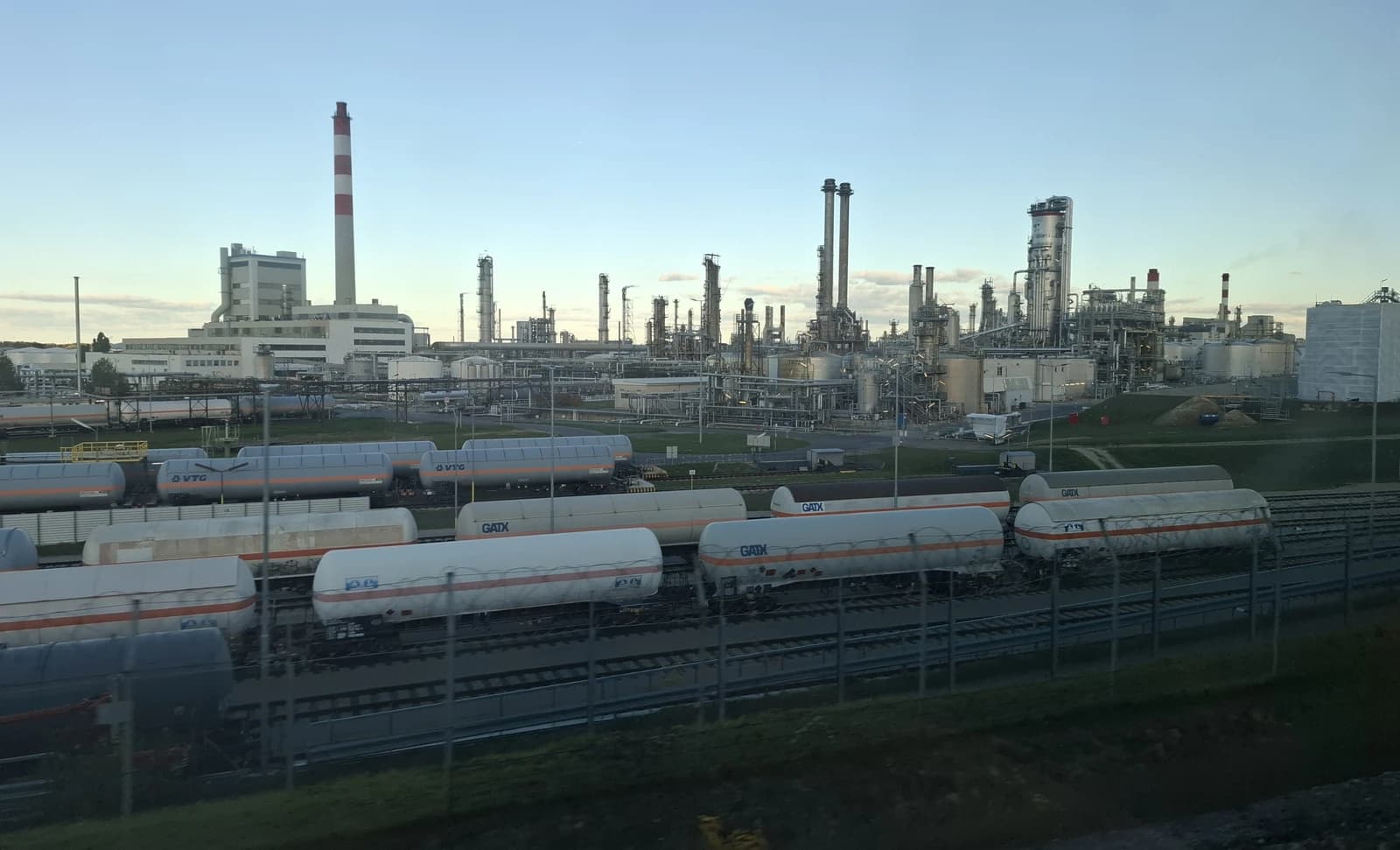
Global equities rallied as oil prices tumbled on signs of a possible thaw in US-Iran relations, easing a major inflation and growth risk just as investors head into the US midterm elections.
Oil Prices Fall on US-Iran Talks, Stocks Rise

The move matters because energy had been one of the market’s most important shock absorbers over the past several months: a sustained spike in crude would have tightened financial conditions, pressured consumers and kept central banks cautious. Instead, the drop in oil is feeding directly into a more constructive read-through for margins, household spending and bond markets, with the clearest beneficiaries so far being transport, consumer and broader cyclical stocks.
Sentiment Indicators
Brent crude fell more than 6% to about $106 a barrel, while West Texas Intermediate slipped below $100 and was last near $97. European gas also dropped sharply, down 8% in a single session to 95 euros per megawatt-hour, still elevated but moving away from the sort of levels that typically force another round of earnings downgrades. Gold was back near $4,000 an ounce, signaling that investors are not abandoning hedges entirely, but the broader risk-on move was clear: 10-year US Treasury yields slipped below 4.9%, Italy’s 10-year yield fell to 4.4%, and the BTP-Bund spread narrowed to 112 basis points.
The geopolitical trigger is the apparent opening for talks with Iran. According to IRNA, the Supreme Leader gave the government the green light to begin negotiations aimed at ending a months-long conflict affecting energy flows through the Strait of Hormuz. That followed reporting that Donald Trump had wanted more time for diplomacy before considering renewed military action, while Secretary of State Marco Rubio reiterated support for a peaceful solution. For markets, the exact contours of any agreement matter less in the near term than the possibility that the risk premium embedded in crude can unwind.
The equity response was broad. Wall Street opened strongly, with the Dow Jones and Nasdaq both up close to 1% before easing. Amazon jumped 5.3%, Airbnb rose 5% and Booking added 4.5%, while some artificial-intelligence linked names were weaker, including Lumentum, Marvell and Intel. Apple fell about 1% ahead of results due after the close, with consensus expecting revenue above $113 billion and earnings per share near $2.00. The mix suggests investors were rotating toward stocks that benefit from lower fuel costs and firmer consumer demand rather than chasing the most crowded growth trades.
In Europe, the picture was similar. Italy’s FTSE MIB climbed 0.9% to nearly 50,000 points, Frankfurt gained 0.63%, Paris 1% and London 0.3%. Milan’s best performers included Buzzi, Moncler and STMicroelectronics, while banks such as FinecoBank, Intesa Sanpaolo and UniCredit also advanced. Energy names lagged, with Eni, Saipem and Tenaris all lower, underscoring the direct market redistribution from cheaper crude.
The macro implications are significant. Lower oil prices, if sustained, would relieve some pressure on inflation expectations at a moment when investors are already sensitive to growth risks and policy tightening. That is why the move is positive for rate-sensitive assets and why it helped sovereign bonds as much as stocks. It also reduces one of the most immediate political risks around the midterms: an energy-price-driven squeeze on US households.
The bullish case is that the market is finally getting relief from a geopolitical risk premium that had been embedded in energy prices, allowing equities and bonds to reprice toward a softer-inflation, slower-growth but less-disruptive path. The bearish case is that the move may prove temporary if diplomacy stalls or if the Strait of Hormuz risk returns, leaving oil, gas and inflation expectations vulnerable to another spike.
For investors, the next test is whether the pullback in crude sticks long enough to support earnings revisions and a broader relief rally, or whether it becomes just another short-lived swing in a year already defined by commodity whiplash.
| Entity | Gains | Losses |
|---|---|---|
| Consumers | ▲Lower fuel costs | ▼Less incentive for energy hedging |
| Airlines and retailers | ▲Margin relief | ▼Fewer inflation-pass-through benefits |
| Equities outside energy | ▲Better risk appetite | ▼Less support from inflation hedges |
| Oil producers | ▲Higher-price backdrop fades | ▼Crude revenue and shares weaken |