Wall Street is heading into the U.S. midterms with the biggest near-term market catalyst not the vote itself, but the sharp drop in oil that is easing inflation pressure and resetting the trade around energy, rates and geopolitics.
Oil drop before midterms lifts markets

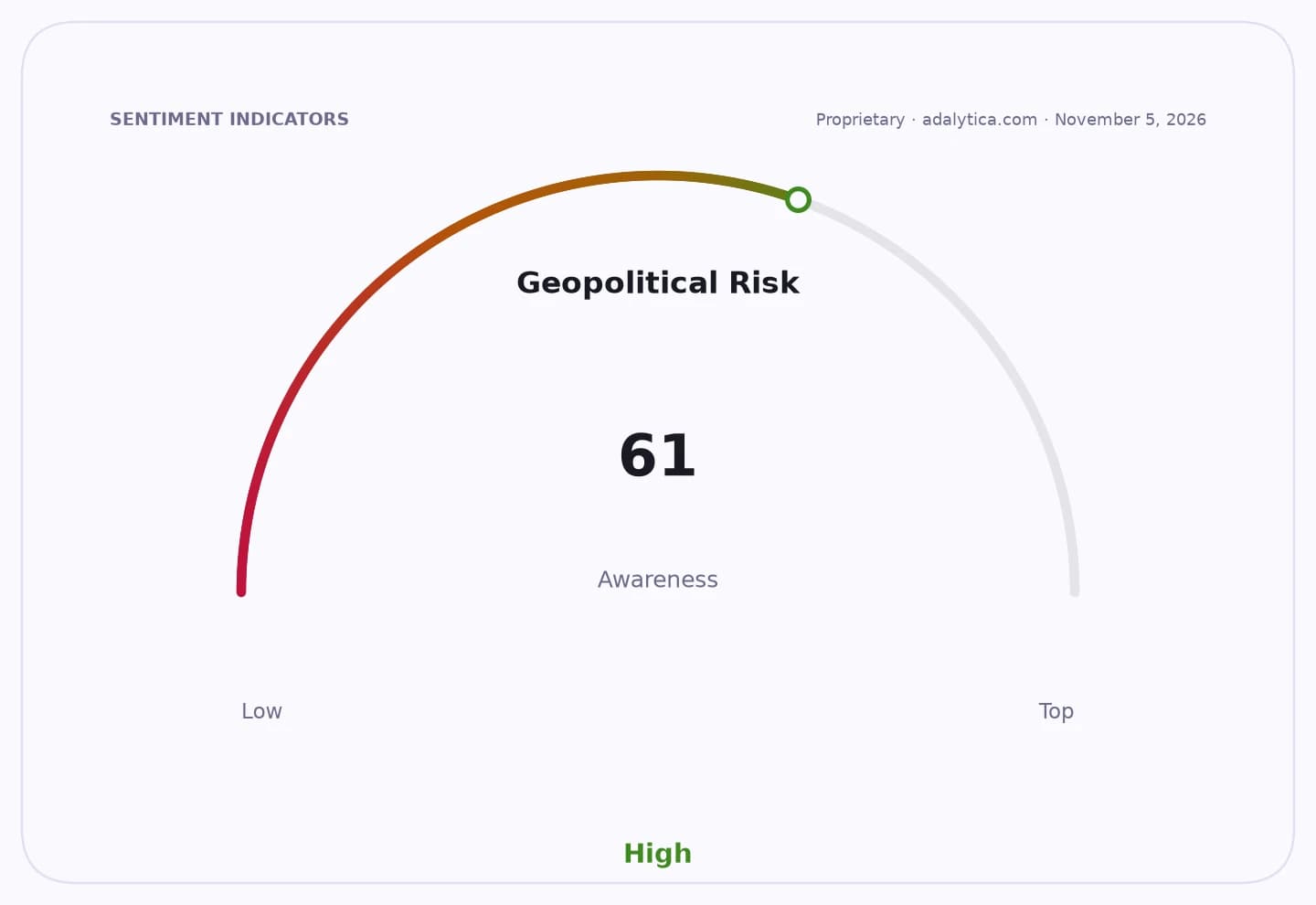
That matters because a pullback in crude changes the immediate macro setup for stocks, Treasuries and the Federal Reserve’s reaction function. Brent and WTI fell more than 7% on Monday, with Brent for January delivery sinking 7.63% to $104.77 a barrel and WTI slipping back below $100, after signs of a possible diplomatic opening with Iran knocked a chunk out of the geopolitical risk premium. For investors, that is not just a commodity move; it is a potential reprieve for consumers, airlines, transport, and rate-sensitive parts of the market that have been squeezed by higher energy costs and higher yields.
Sentiment Indicators
The move also comes as the 10-year Treasury yield hovers around 4.9%, giving equities some breathing room after a volatile stretch. If oil keeps falling, the market gets a cleaner path to the soft-landing narrative, especially with U.S. manufacturing showing resilience: the ISM manufacturing index rose to 55.5 in October, its 10th straight month of expansion, helped in part by demand tied to AI and data centers. That combination — lower energy, firm industrial activity, and a still-elevated but easing bond yield backdrop — is exactly the kind of setup that tends to favor broadening market leadership beyond the most crowded tech names.
Midterms add another layer. Investors are watching the balance of power in Congress for clues on fiscal policy, regulation of artificial intelligence and the debt ceiling. Historically, the S&P 500 has tended to rise in the 12 months after midterms, but this time the market is entering the event with unusually high concentration in AI stocks and a much more geopolitically charged energy backdrop. That makes volatility the most likely short-term outcome, even if the medium-term setup remains constructive.
Apple is also shaping the tape. The company beat Wall Street’s expectations for its fiscal fourth quarter, with revenue up 12% to about $114.5 billion and earnings per share of $2.10 versus estimates near $2. The iPhone business posted roughly $57.6 billion in sales, up about 17%, and services hit a record. But the market is fixated on China, where revenue of around $17.5 billion came in below estimates of roughly $18.75 billion. That miss matters because Apple remains deeply exposed to global supply chains, tariffs and trade restrictions, and China is still the most important swing factor in the company’s growth story.
The stock’s mixed after-hours reaction shows what investors care about now: not just whether Apple can beat, but whether its next phase of growth can keep pace with rising chip costs and a more competitive consumer backdrop. The company’s filing underscores the vulnerability, noting that a significant majority of manufacturing is outsourced across China, India, Japan, South Korea, Taiwan and Vietnam, and that trade restrictions can materially hurt the business. In other words, Apple is still a global trade and geopolitics story as much as a consumer hardware story.
The market message is clear. Falling oil is the cleaner macro catalyst, Apple is the key single-stock bellwether, and midterms are the policy variable that can amplify both moves. If diplomacy keeps easing the energy shock and bond yields continue to drift lower, the biggest winners are likely to be consumers, airlines, industrials and the parts of the market that have lagged the AI trade. If geopolitics flare again, the market will quickly rotate back into energy and defensive positioning. For investors, the asymmetry is in owning the beneficiaries of lower oil before consensus fully prices in how powerful that impulse can be.
| Entity | Gains | Losses |
|---|---|---|
| Consumers and airlines | ▲Lower fuel costs | ▼Inflation shock fades |
| Energy producers | ▲Higher risk premium intact | ▼Crude prices fall |
| Apple | ▲Beat on revenue and EPS | ▼China growth disappoints |
| Rate-sensitive stocks | ▲Easier yield backdrop | ▼Volatility if yields rise again |