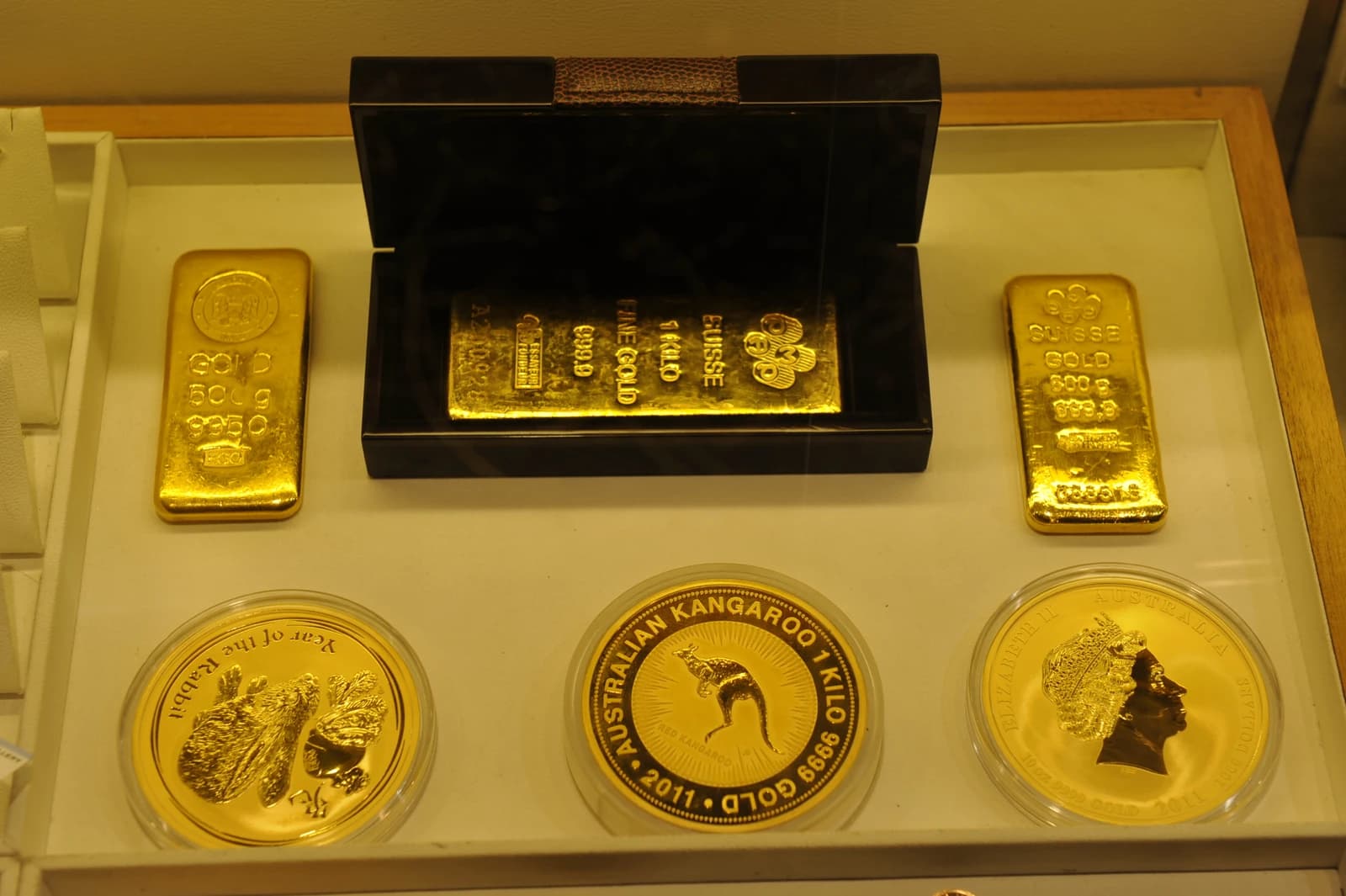
Gold’s next big move may depend less on interest rates and more on oil prices and geopolitics, with economist Zafer Ergezen saying bullion could end 2026 above $4,400 an ounce if a war-related settlement pushes crude lower and eases inflation pressure.
Gold outlook tied to oil, yields and geopolitics

That matters because the gold trade has been split between a powerful longer-term bull case and a more fragile near-term setup. On one hand, Ergezen argues that falling oil would help pull down inflation and bond yields, restoring support for non-yielding assets like gold. On the other, recent price action shows the metal remains vulnerable to shifts in the dollar and Treasury yields, with front-month gold futures around $3,880 on Nov. 16, below the 50-day average and still under the 200-day average, even after recovering from a slide to the high-$3,800s.
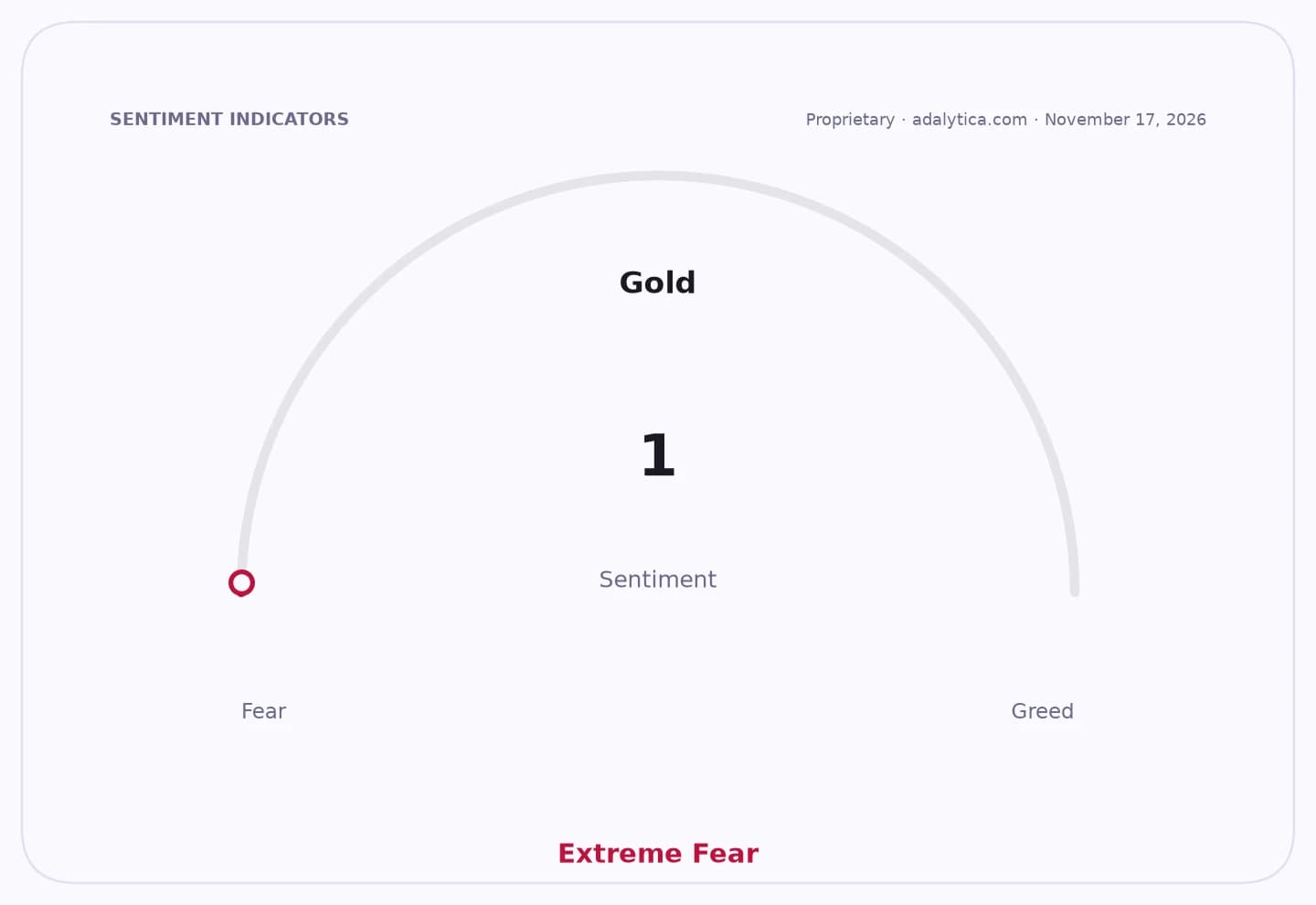
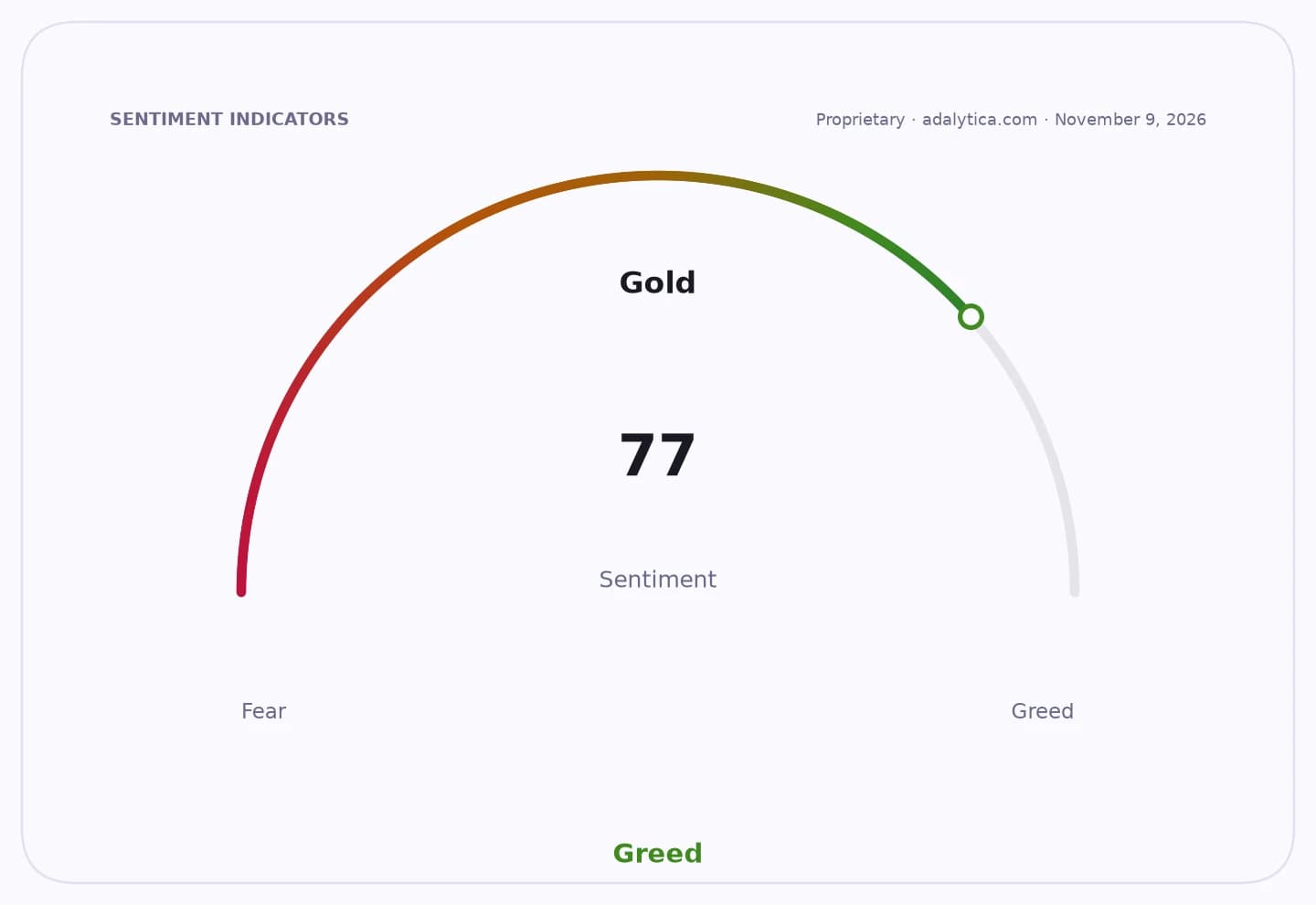
Sentiment Indicators
Gold
Ergezen said the old relationship between gold and interest rates has weakened, while the inverse correlation with oil has strengthened. In his view, higher crude keeps inflation elevated, keeps rates higher for longer and weighs on gold; a decline in oil would have the opposite effect. That framework is important for investors because it links the metal’s trajectory to the broader macro mix rather than to one policy variable alone.
His year-end target implies a substantial rebound from current levels. Ergezen said gold could revisit $4,400 an ounce and gram gold could move back above 7,000 lira if tensions ease and crude falls quickly. He also highlighted key near-term levels for Turkish investors, saying 6,500 lira is an important support area and 6,700 lira is the main hurdle this week, with 6,900 lira possible on more dovish geopolitical headlines.
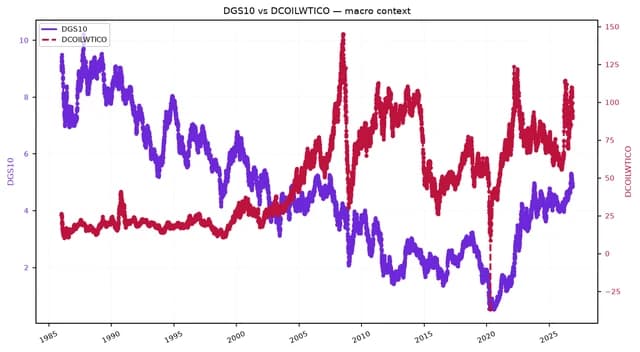
The timing is notable. U.S. 10-year yields in the supplied data are forecast at 5.124%, near multi-decade highs, while oil remains elevated near $87.5 a barrel in the same forecast set. That combination helps explain why gold has struggled to sustain a clean breakout even as Adalytica’s Gold Fear & Greed Index has fallen to 29, a “Fear” reading, after a sharp deterioration over the past week. The bearish technical backdrop also matters: gold’s RSI has eased from oversold levels but the metal is still trading below its 50-day and 200-day averages, suggesting the market has not yet confirmed a durable trend reversal.
For investors, the setup is now less about chasing a breakout and more about whether a geopolitical de-escalation can trigger a macro trade in lower oil, softer yields and renewed demand for bullion. If that chain of events fails to materialize, gold may remain stuck in a volatile range and Turkish gram prices could keep oscillating around the 6,500-6,700 lira band. If it does, Ergezen’s 2026 target implies that gold’s recent weakness may prove to be a pause rather than the start of a deeper correction.
| Entity | Gains | Losses |
|---|---|---|
| Gold bulls | ▲Higher prices from lower oil | ▼Near-term volatility |
| Gold bears | ▲Lower oil and steadier yields | ▼A war settlement rally |
| Turkish investors | ▲Rebound in gram gold | ▼Range-bound local pricing |
| Oil exporters | ▲Elevated crude demand | ▼Price drop from easing tensions |