Uruguay is preparing to tap international debt markets again, and the key story for investors is simple: the sovereign is using its newly reaffirmed investment-grade standing to diversify funding with a euro-denominated bond after a successful run in local and dollar debt.
Uruguay plans euro bond after ratings reaffirmed

That matters because sovereign borrowers do not return to the market just for the sake of it. They go when credit conditions are supportive, demand looks reliable and pricing is likely to be attractive. Uruguay is checking all three boxes after Standard & Poor’s kept the country at BBB+ with a stable outlook, joining Moody’s at Baa1 and Fitch at BBB. For a small emerging market, that triple investment-grade seal is a powerful financing advantage: it lowers borrowing costs, broadens the investor base and gives the government more flexibility to manage its debt profile.
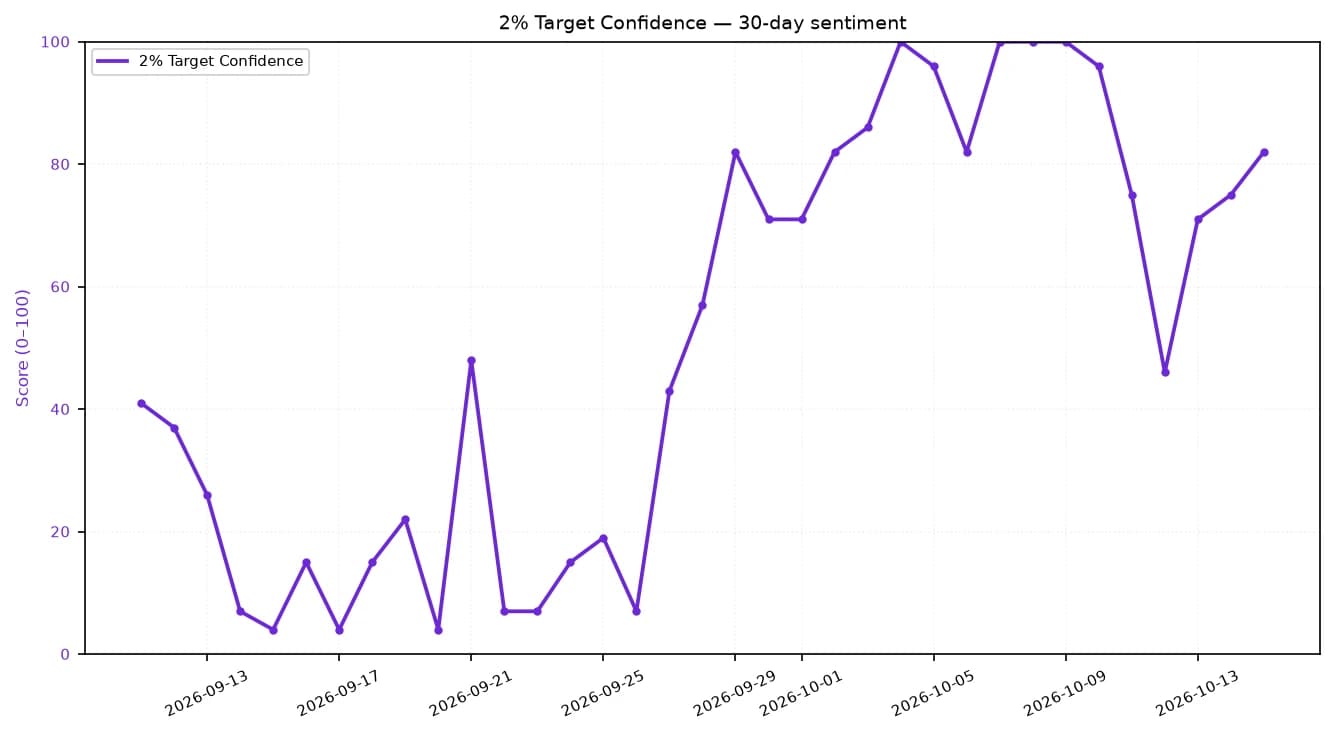
Sentiment Indicators
The timing also tells investors something important. The country has already completed successful recent placements in peso and dollar bonds, and now wants to add euros to the mix. That is not just a funding exercise; it is a balance-sheet strategy. By issuing in a different currency, Uruguay can reduce concentration risk and lean further into a long-running effort to de-dollarize public debt. The finance ministry said local-currency debt accounted for 57.2% of total debt at the end of September 2026, already ahead of its minimum 57% target for the end of the current administration.
For investors, that combination is attractive. A sovereign with investment-grade ratings, stable institutions and a clear funding plan tends to draw stronger demand, especially when it is selling a relatively scarce credit in the emerging-market universe. The government has hired HSBC, BNP Paribas and JPMorgan to coordinate the transaction, a sign it wants broad distribution among global buyers rather than relying on a narrow pool of accounts.
The broader backdrop is favorable as well. US rates remain far above the ultra-low levels of a few years ago, but the market has not lost its appetite for quality carry. Uruguay sits in a sweet spot: a small, credible issuer with a strong repayment record and a debt strategy that is becoming more sophisticated. For long-term investors, that is the kind of sovereign story that can compound quietly over time.
The immediate focus will be pricing and size, but the bigger takeaway is that Uruguay is behaving like a borrower that knows its market position has improved and intends to use it. If execution is smooth, this euro bond could reinforce a reputation that already makes the country one of Latin America’s cleaner sovereign credits to own.
| Entity | Gains | Losses |
|---|---|---|
| Uruguay | ▲Lower funding costs | ▼Less room for complacency |
| Global bond investors | ▲Investment-grade exposure | ▼Currency and duration risk |
| Peso debt strategy | ▲Deeper domestic market | ▼Faster balance-sheet diversification |
| Competing sovereign borrowers | ▲None | ▼Less relative attention from EM buyers |