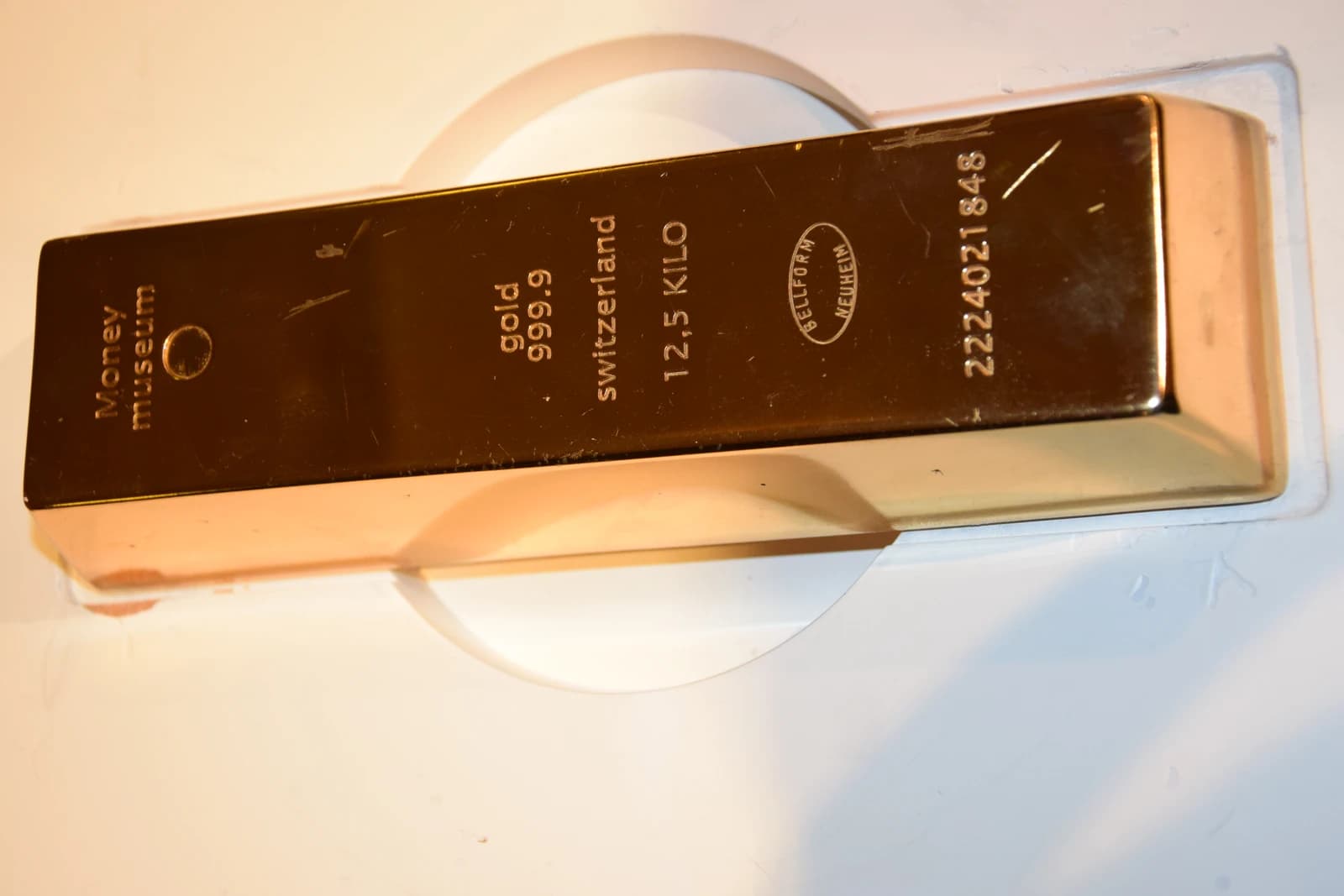
Gold surged back toward the $4,000 an ounce mark on Nov. 3 as crude oil kept falling, easing some of the inflation pressure that has been weighing on markets and giving bullion a fresh bid.
Gold Rebounds Toward $4,000 as Oil Falls
That matters because lower energy prices can cool expectations for inflation, which in turn can change the outlook for Federal Reserve policy and the dollar — two of the biggest drivers of gold. Spot gold was trading around $3,950 an ounce and briefly touched $3,968, rebounding after last week’s drop to a one-year low. At the same time, U.S. crude benchmark WTI hovered near $94 a barrel and Brent around $102, after oil had fallen as much as 9% for the week from earlier strength.
Sentiment Indicators
The move is a useful reminder that gold is not just an inflation hedge; it is also a barometer of stress across rates, currencies and geopolitics. Oil had jumped more than 10% in October on fears that Middle East tensions could disrupt supply, especially through the Strait of Hormuz. This week’s retreat followed a third straight day of Iran-Qatar talks and other diplomatic signals that appeared to reduce the odds of a wider supply shock. For investors, that means one of the market’s biggest inflation scare stories is looking a little less urgent.
Still, gold’s rebound should not be mistaken for a clean breakout. The metal fell 6.8% in October, and the pullback forced some investors to sell bullion to cover losses in other assets, especially technology stocks. That kind of cross-asset liquidation can keep gold volatile even when the long-term case remains intact. The dollar was also firmer, with the USD index at 101.81, and traders were still pricing a 77% chance of another Fed rate hike in December, only slightly lower than a week earlier.
Adalytica’s Gold Fear & Greed Index showed sentiment improving to 31, but that is still only neutral, and the broader message is the same: this is a market being pulled in different directions by energy, rates and risk appetite. If oil keeps easing and the Fed turns less aggressive, gold has room to rebuild its case above the $4,000 level. If not, the metal could remain trapped in a choppy range, with support near $3,880 to $3,940 and resistance around $4,000 to $4,044.
For long-term investors, the takeaway is simple: gold remains a tactical hedge, not a business you own for earnings growth. But in a world where inflation, central bank policy and geopolitics can all change quickly, it still deserves a place on the watchlist as part of a diversified portfolio.
| Entity | Gains | Losses |
|---|---|---|
| Gold investors | ▲Safe-haven demand | ▼Short-term volatility |
| Oil consumers | ▲Lower energy costs | ▼Less inflation hedge urgency |
| Fed rate hawks | ▲Tighter policy support | ▼Softer inflation narrative |
| Dollar bulls | ▲Firmer USD backdrop | ▼Gold breakout hopes |