Dhanteras buying is giving a seasonal lift to gold, silver and jewellery-linked assets, with the festival’s traditional rush into precious metals and household goods reinforcing demand at a time when investors are already leaning more bullish on gold.
Gold, Silver Gain on Dhanteras Buying in India
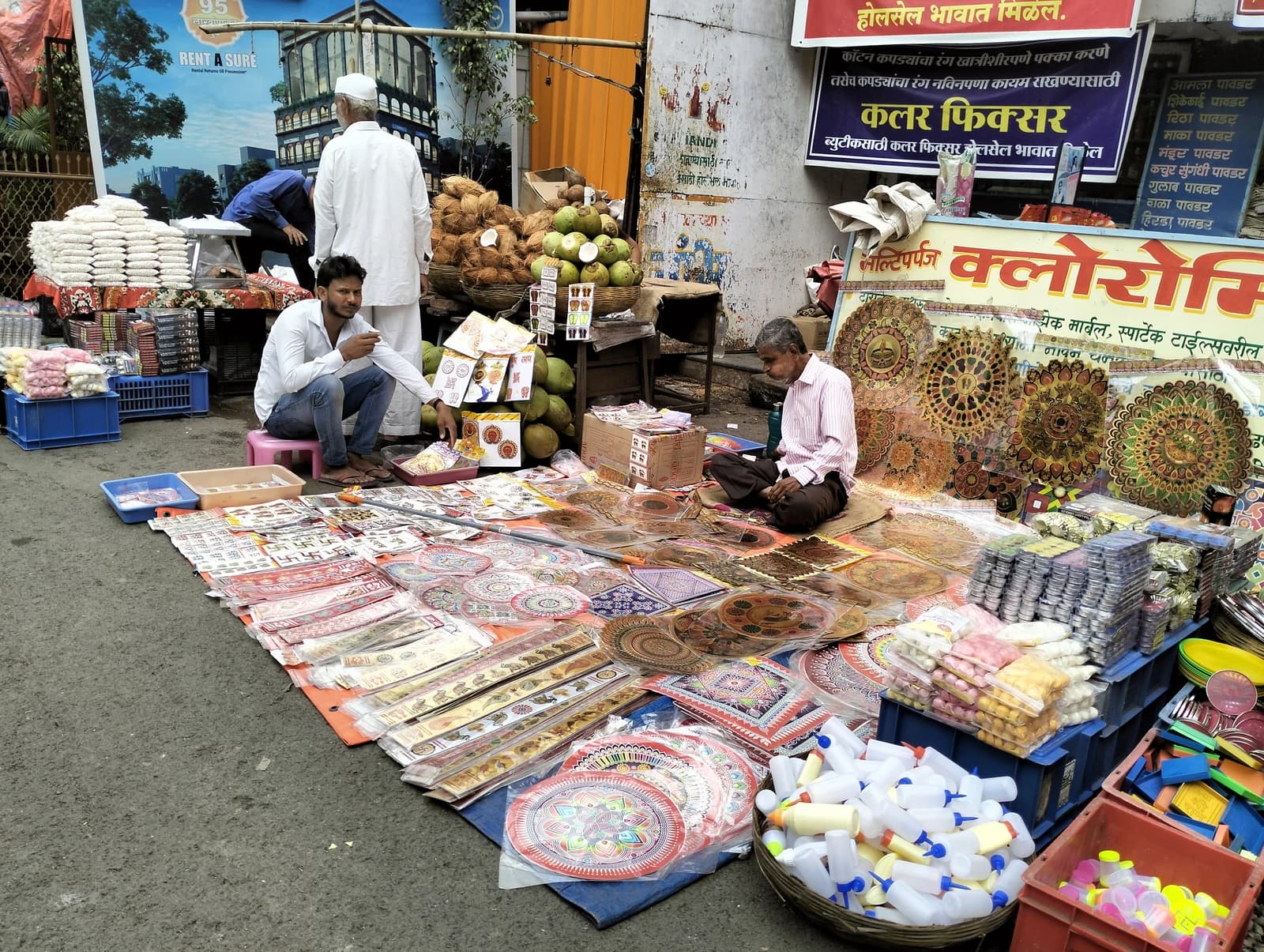
The immediate economic importance is not the religious ritual itself, but the spending it concentrates. Dhanteras remains one of India’s most important retail purchase days, pulling forward demand for gold jewellery, coins, silverware and gift items just as households prepare for Diwali. That makes the festival a recurring demand catalyst for jewellers, bullion channels and exchange-traded products tied to metals, while also supporting related consumer categories such as kitchenware, electronics and even low-ticket household goods.
Sentiment Indicators
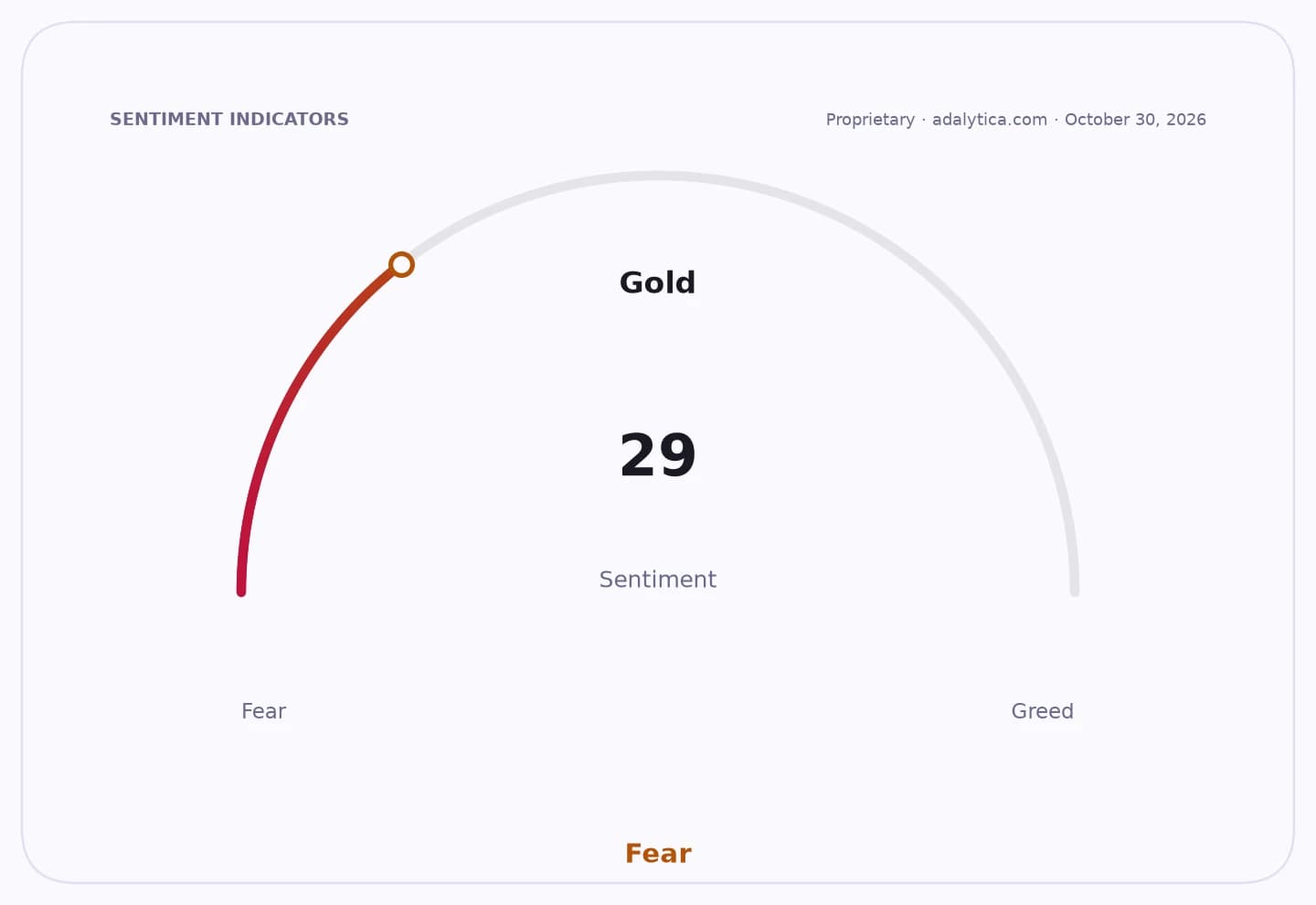
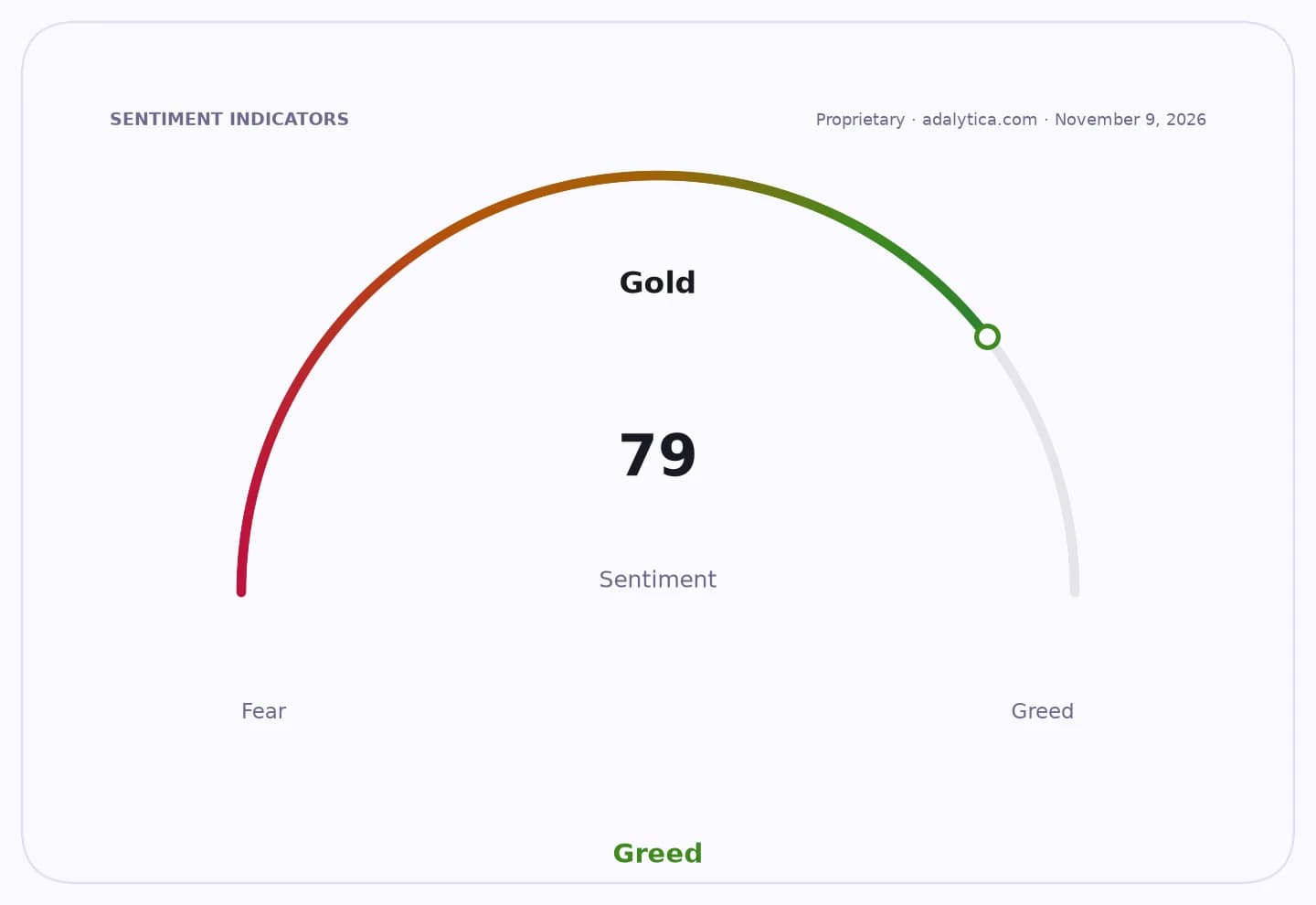
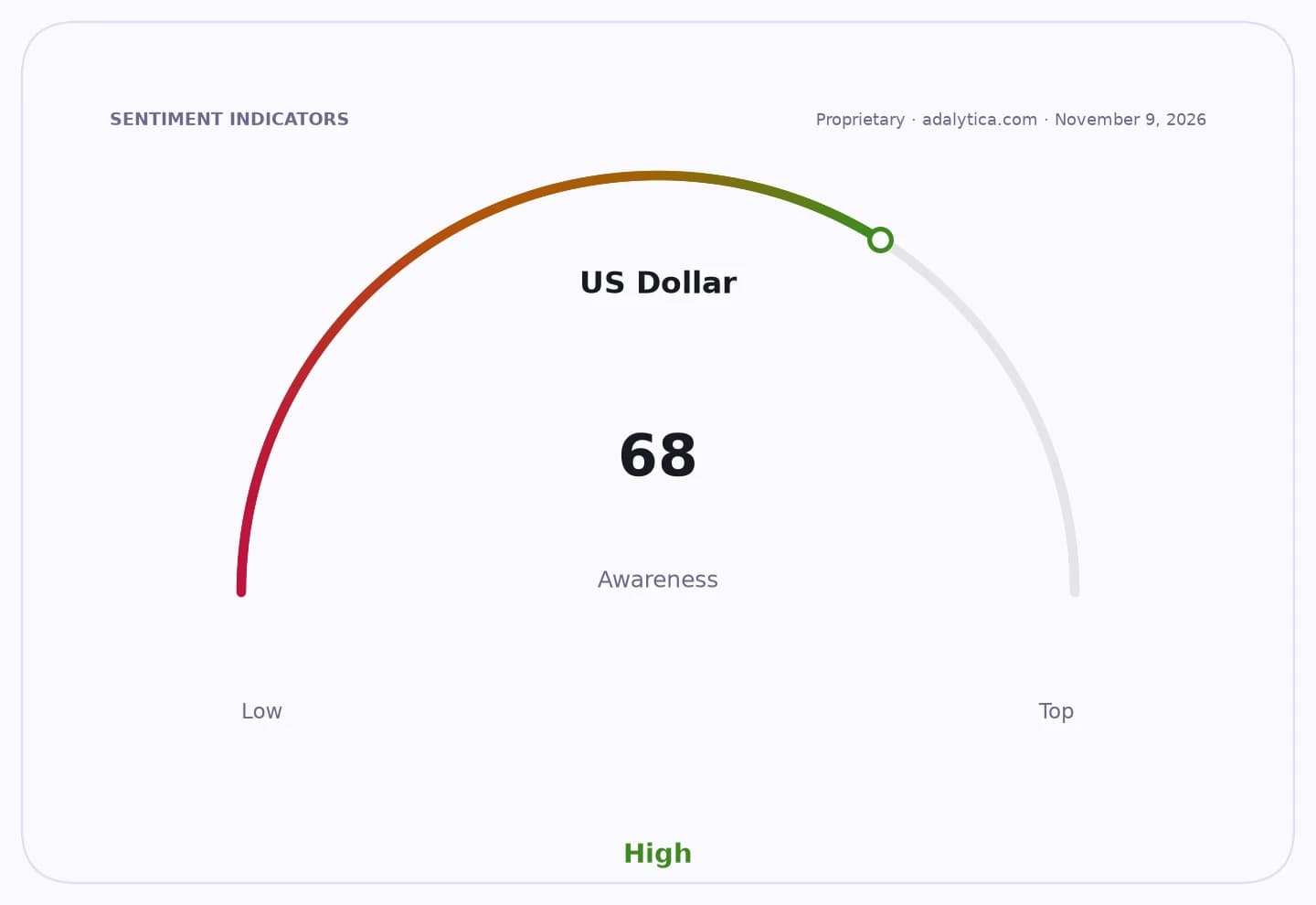
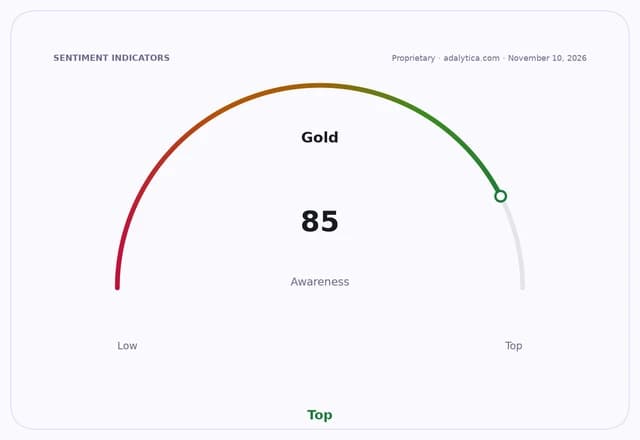
The market response underscores that link. The Gold Fear & Greed Index from Adalytica.com shows sentiment on GLD at 82, in “Greed” territory, with awareness also elevated at 85. That follows a sharp one-week jump in the sentiment gauge and suggests investors are leaning into the festive and seasonal case for bullion rather than treating it as a short-lived retail event. GLD has been volatile, but it has stabilized near the high-300s, closing at $369.36 on Nov. 10 after recovering from a recent low of $355.78 on Oct. 30. Its 50-day moving average, at $383.59, remains above the current price, which points to a still-fragile technical backdrop even as festival demand improves the narrative.
Silver has been weaker than gold, but it too is tied to the same seasonal buying cycle. SLV closed at $46.48 on Nov. 10, below its 50-day moving average of $53.70 and far under its 200-day average of $62.80, showing that the metal is still trading from a weaker base despite festival demand. That divergence matters for investors: gold is currently the cleaner expression of the Dhanteras trade, while silver’s move is more likely to depend on whether festive buying spills into a broader industrial and investment bid.
Jewellery makers and miners are the clearest beneficiaries. Newmont, via NEM, is trading well above its 200-day moving average at $119.96 versus $112.04, reflecting a stronger underlying gold-equity bid than silver has enjoyed. The stock also has turned up in recent sessions after a volatile year, suggesting investors are positioning for sustained precious-metals demand rather than a one-day shopping surge. For jewellery firms, Dhanteras can be even more important than the metal price itself, because it brings volume, margin leverage and promotional traffic into stores and online channels.
The broader narrative is that Dhanteras is evolving from a purely traditional buying window into a mixed retail-financial event. Consumers are still buying physical gold, silver and ritual items, but the festival is increasingly tied to digital gold, coins and branded jewellery purchases, often supported by discounts and cashback offers. That shifts part of the demand from informal channels toward standardized products and listed companies, which is why festive demand has become a market event for investors as much as a cultural one.
The main risk for bulls is valuation and price volatility. Gold remains elevated, sentiment is crowded, and recent technical readings show that some precious-metals ETFs are still trading below key moving averages. For now, though, the combination of festival demand, consumer willingness to spend and investor preference for hard assets is keeping the Dhanteras trade alive. If that spending carries through Diwali and into the rest of the wedding season, the beneficiaries are likely to be gold-linked assets, jewellery companies and premium retail platforms rather than broader consumer stocks.
| Entity | Gains | Losses |
|---|---|---|
| Gold buyers / GLD holders | ▲Festival demand tailwind | ▼Elevated price volatility |
| Jewellery companies | ▲Higher festive sales volumes | ▼Margin pressure from price swings |
| Silver / SLV investors | ▲Seasonal buying interest | ▼Weak technical trend |
| Physical retail skeptics | ▲Fewer overspending risks | ▼Missed festive upside |