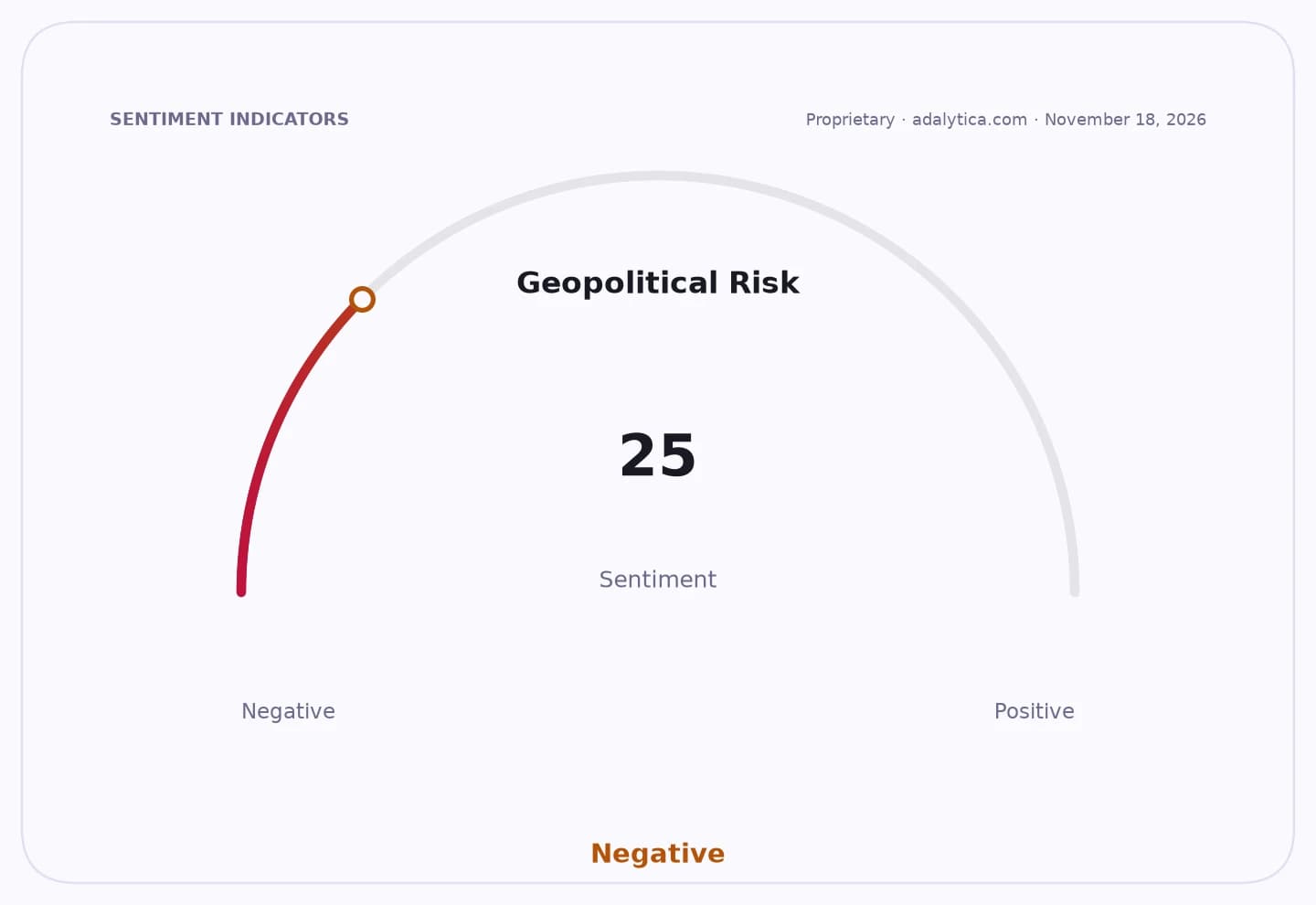
Geopolitical tensions around the Strait of Hormuz are adding to inflation pressures and helping keep gold supported over the longer term, even as higher interest rates and stronger Treasury yields weigh on bullion in the near term.
Gold supported by Strait of Hormuz risk
The risk is economic rather than just political: disruption to energy flows lifts crude prices, feeds through to transport and production costs, and forces central banks to stay tighter for longer. That combination is the key reason investors are watching the Middle East so closely — it can slow disinflation, delay rate cuts and keep volatility elevated across bonds, currencies and precious metals.
Sentiment Indicators
Economist Ayman Ghoneim said oil has become a political commodity as tensions intensify, with Brent rising from about $60-$64 a barrel at the start of 2026 to roughly $115-$116 at the height of the conflict before easing on signs of de-escalation. He said the subsequent rebound in crude reflected renewed fears over shipping disruptions and a geopolitical risk premium that is now central to pricing.
The inflation backdrop gives that warning more weight. European consumer prices rose from 1.7% in January 2026 to 4% in October even after two 25-basis-point rate hikes by the European Central Bank, while US inflation climbed from 2.4% in January to 3.7% in September, reinforcing expectations that the Federal Reserve will stay hawkish.
Gold has already reflected that push and pull. Spot-style bullion traded around $3,580 after falling from roughly $4,600 an ounce in mid-August, pressured by firmer Treasury yields and expectations of tighter policy. But Ghoneim said the medium- to long-term case remains constructive because central banks are diversifying reserves, increasing gold holdings and treating the metal as a store of value amid sanctions, geopolitical fragmentation and a reshaping of the global financial order.
That dynamic matters for investors because it pits two forces against each other: near-term rate expectations, which can punish gold, and structural demand from official-sector buyers, which can underpin it. It also keeps miners and gold-backed funds in focus as portfolio hedges while energy-sensitive sectors face margin pressure from persistent inflation.
Technical readings underline the strain in bullion markets. GLD, the SPDR Gold Shares ETF, closed at $325.07 on Nov. 24, below its 50-day moving average of $372.32 and 200-day average of $404.51, with RSI at 23.3 and MACD still negative. Front-month gold futures ended at $3,549 on Nov. 24, also below both key moving averages and with RSI at 23.3, signaling oversold conditions even after a sharp slide.
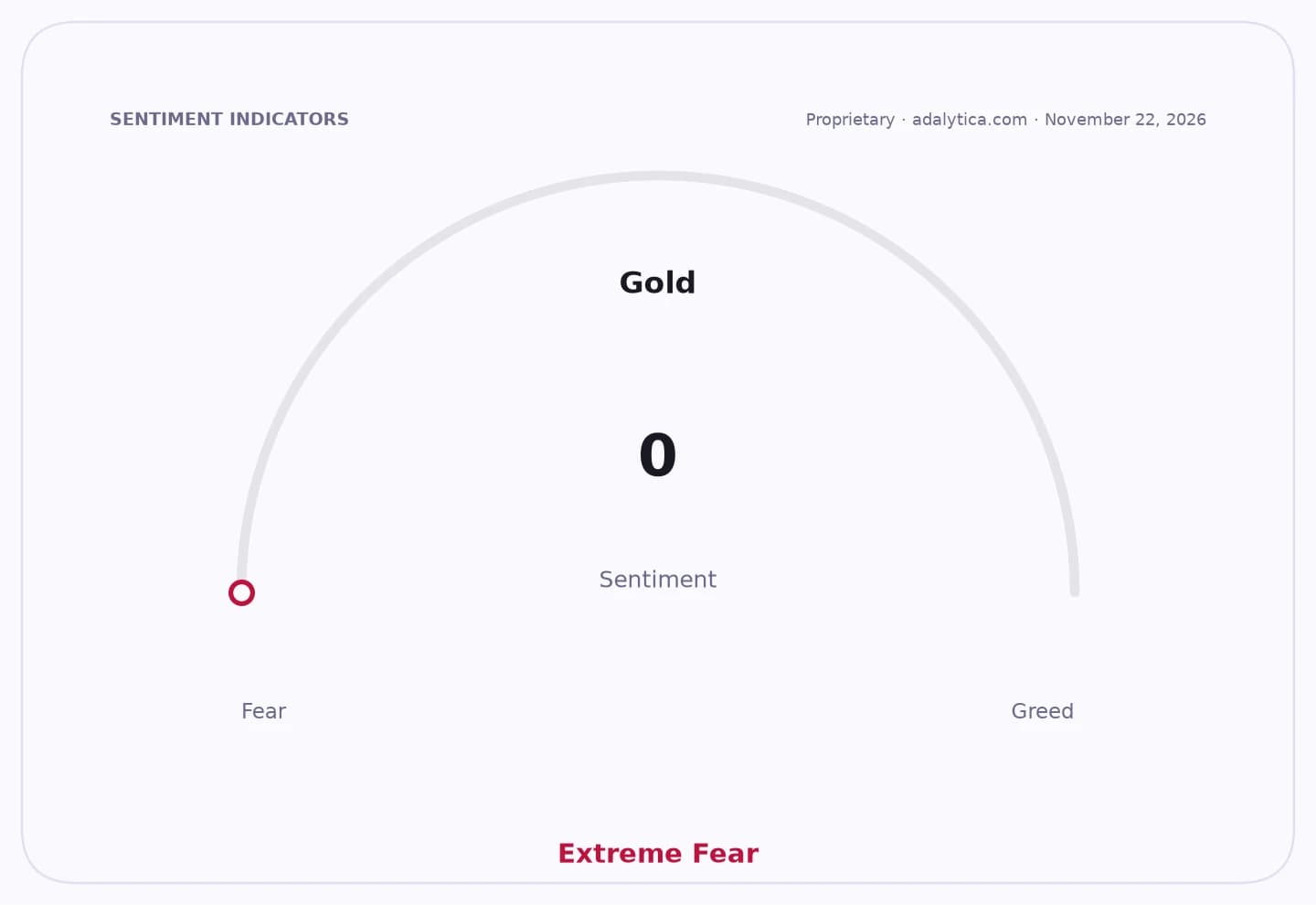
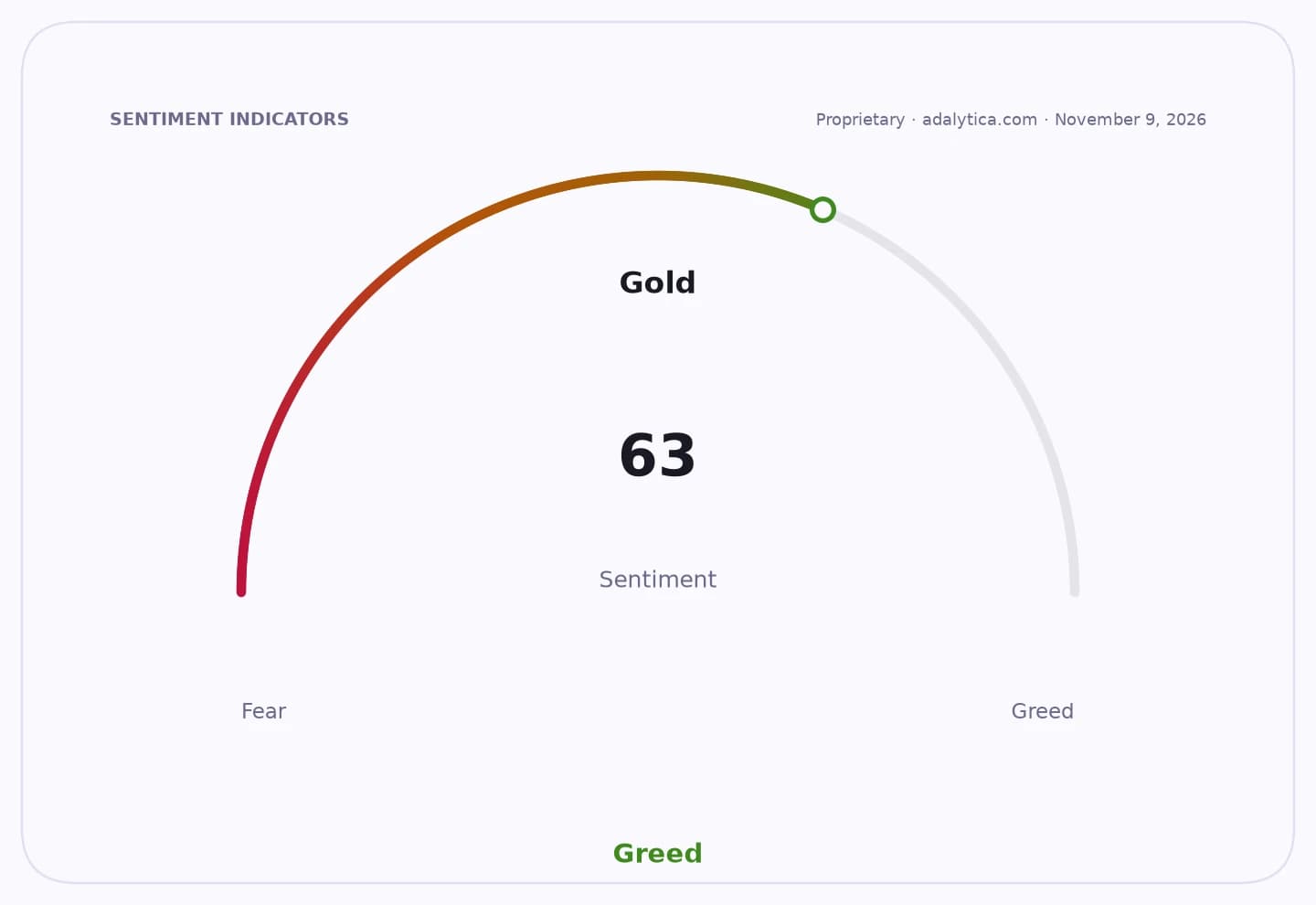
Adalytica’s Gold Fear & Greed Index showed extreme fear at 11, while the Global Stability Sentiment gauge also sat at 11, highlighting the market’s stress around geopolitics even as awareness of the theme remained high. That leaves gold exposed to further swings if US inflation data or Fed commentary pushes rate expectations higher again, but it also keeps the metal bid on any fresh escalation in energy markets or sanctions risk.
| Entity | Gains | Losses |
|---|---|---|
| Gold bullion | ▲Safe-haven demand | ▼Higher real yields |
| Gold miners | ▲Hedge appeal | ▼Cost pressure from volatility |
| Central banks | ▲Reserve diversification | ▼Policy flexibility |
| Oil exporters | ▲Higher crude prices | ▼Importing economies |