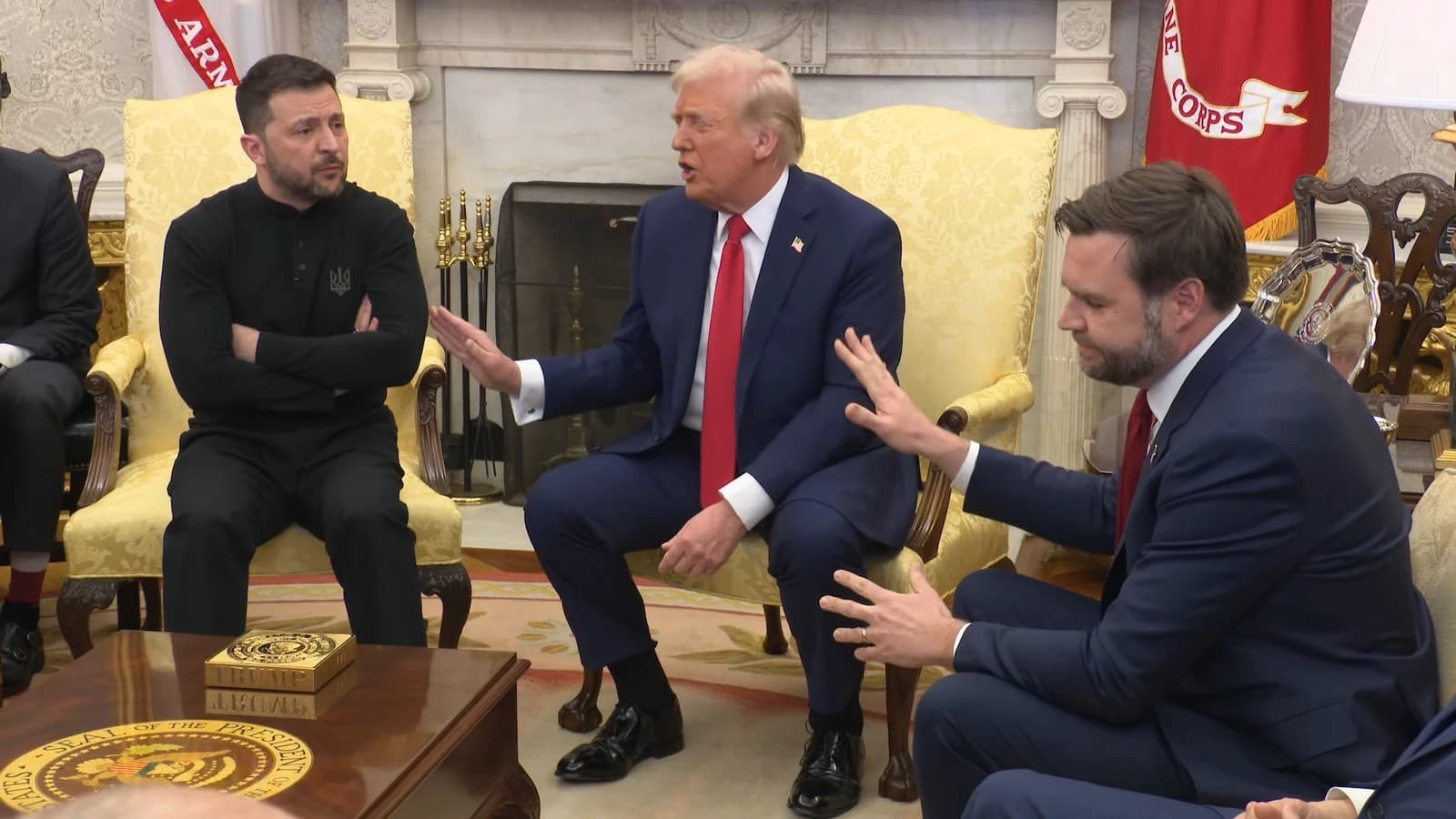
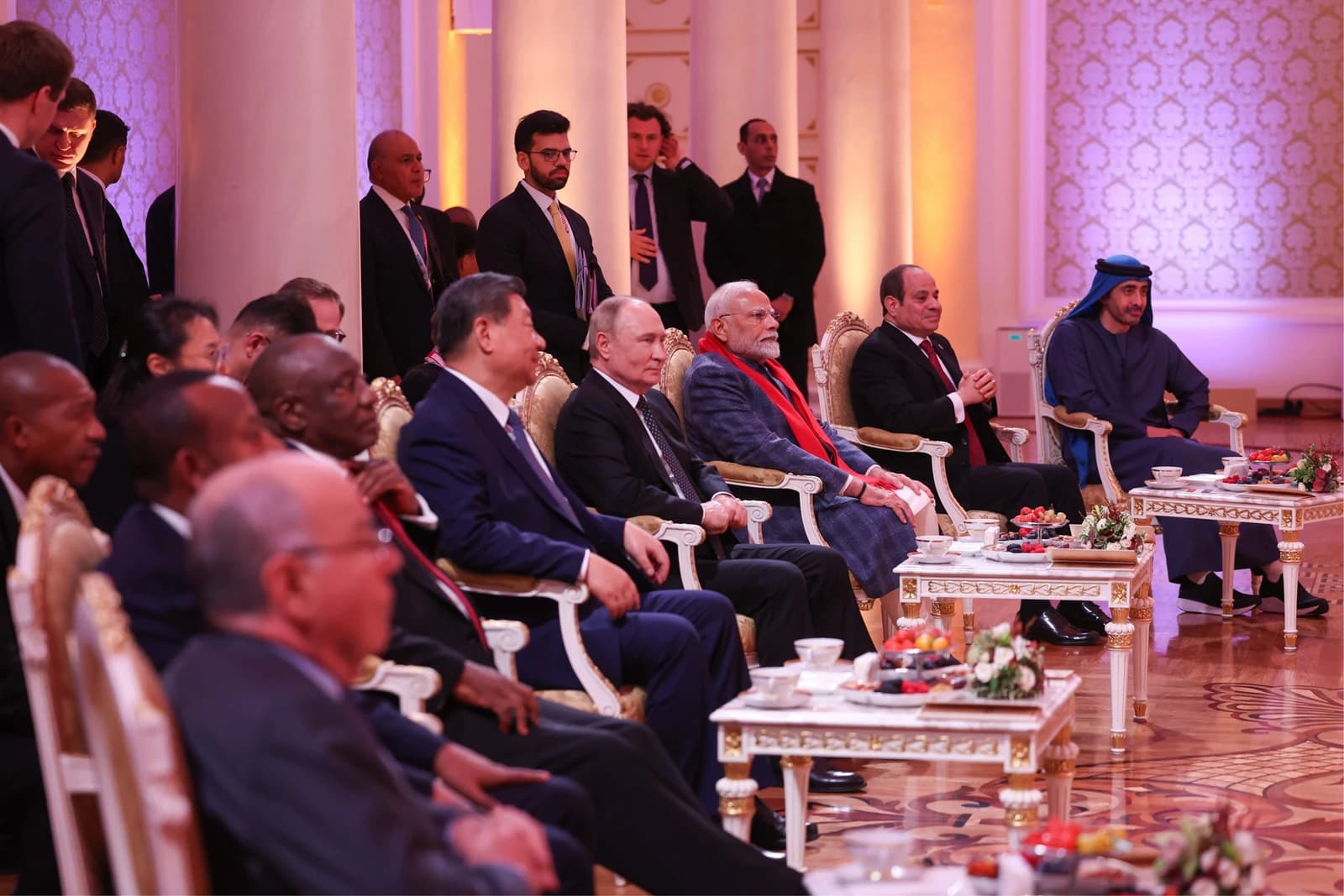
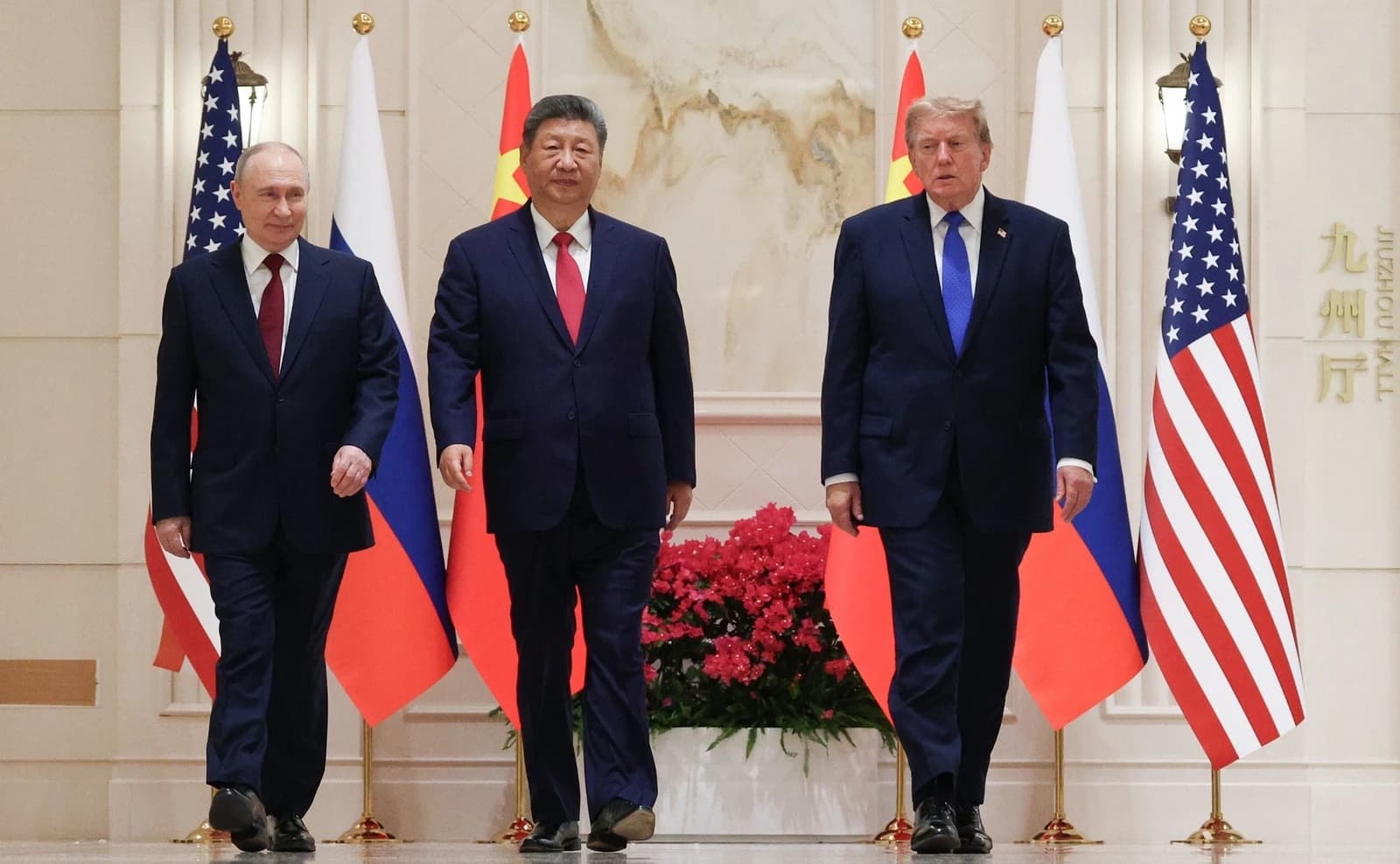
The Kremlin’s plan to allot just one hour for a three-way summit with the leaders of Russia, the United States and China is a blunt reminder that even a brief opening in great-power diplomacy can move markets that are already hypersensitive to war, sanctions and supply risk.
Russia US China Summit Oil Gold Dollar Trade
That matters because the world’s largest powers are the anchor points for energy flows, reserve assets and global trade. When Moscow signals that a meeting of this scale is being treated as a tightly controlled, time-boxed event, investors should read it as a high-stakes geopolitical catalyst rather than a ceremonial gesture. A faster path to dialogue can ease the premium on oil and safe havens; an inconclusive encounter can do the opposite, hardening the bid for crude, gold and defensive currencies.
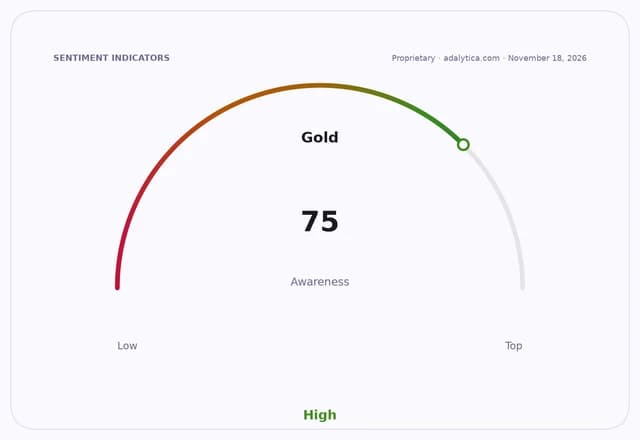
Sentiment Indicators
The market is already telling the story. USO, the oil ETF, has ripped to 136.11 from 120.49 in late July and is still sitting well above its 200-day moving average of 128.58, even after a recent pullback. GLD remains elevated at 341.19, despite a slide from earlier highs, while the dollar proxy UUP has climbed to 29.62 and is now trading at or near its own recent highs. In other words, traders are paying for geopolitical optionality: energy strength, haven demand and dollar resilience.
Technical indicators underscore how stretched — and how event-driven — these moves have become. USO’s 18.9 RSI reading and negative MACD show the market has pulled back from overbought extremes, but the ETF is still trading far above its 50-day moving average. GLD’s 34.2 RSI and soft MACD point to consolidation after an aggressive run, yet gold is still holding a large premium to longer-term trend levels. UUP’s 72 RSI suggests the dollar’s advance has momentum, not just noise.
Geopolitical Risk — 30-day sentimentadalytica.com
Explore this data interactively — full history, time series and cross-market comparisons.
The investment thesis is straightforward: the market underestimates how much pricing power geopolitics still has over commodities and currency markets. A summit framed around Russia, America and China is not just about diplomacy; it is about the path of sanctions, shipping lanes, energy discounts, defense spending and reserve diversification. If the meeting produces even a modest thaw, the immediate beneficiaries would be importers, airlines and other energy-sensitive sectors. If it disappoints, the winners remain the same names the market is already leaning into: oil producers, LNG infrastructure, defense contractors and gold exposure.
That asymmetry is what matters for investors. The biggest mistake now is treating the summit as a one-off headline. In a world where a one-hour meeting can still move trillions in positioning, the real trade is to own the assets that benefit from prolonged uncertainty while keeping dry powder for any policy-led de-escalation. For now, crude and gold remain the cleanest expressions of the market’s fear, and the dollar is still the most liquid refuge.
| Entity | Gains | Losses |
|---|---|---|
| Oil producers / USO | ▲higher crude prices | ▼demand-sensitive consumers |
| Gold / GLD | ▲safe-haven demand | ▼risk assets |
| UUP / dollar bulls | ▲haven flows | ▼emerging-market borrowers |
| Airlines and importers | ▲lower fuel costs if tensions ease | ▼higher costs if talks fail |