Russia’s growing gold sales to Hong Kong underscore how Moscow is leaning harder on bullion to turn frozen or constrained reserves into usable cash, a shift that matters for sanctions enforcement, global gold flows and investor positioning in the metal.
Russia gold sales to Hong Kong rise
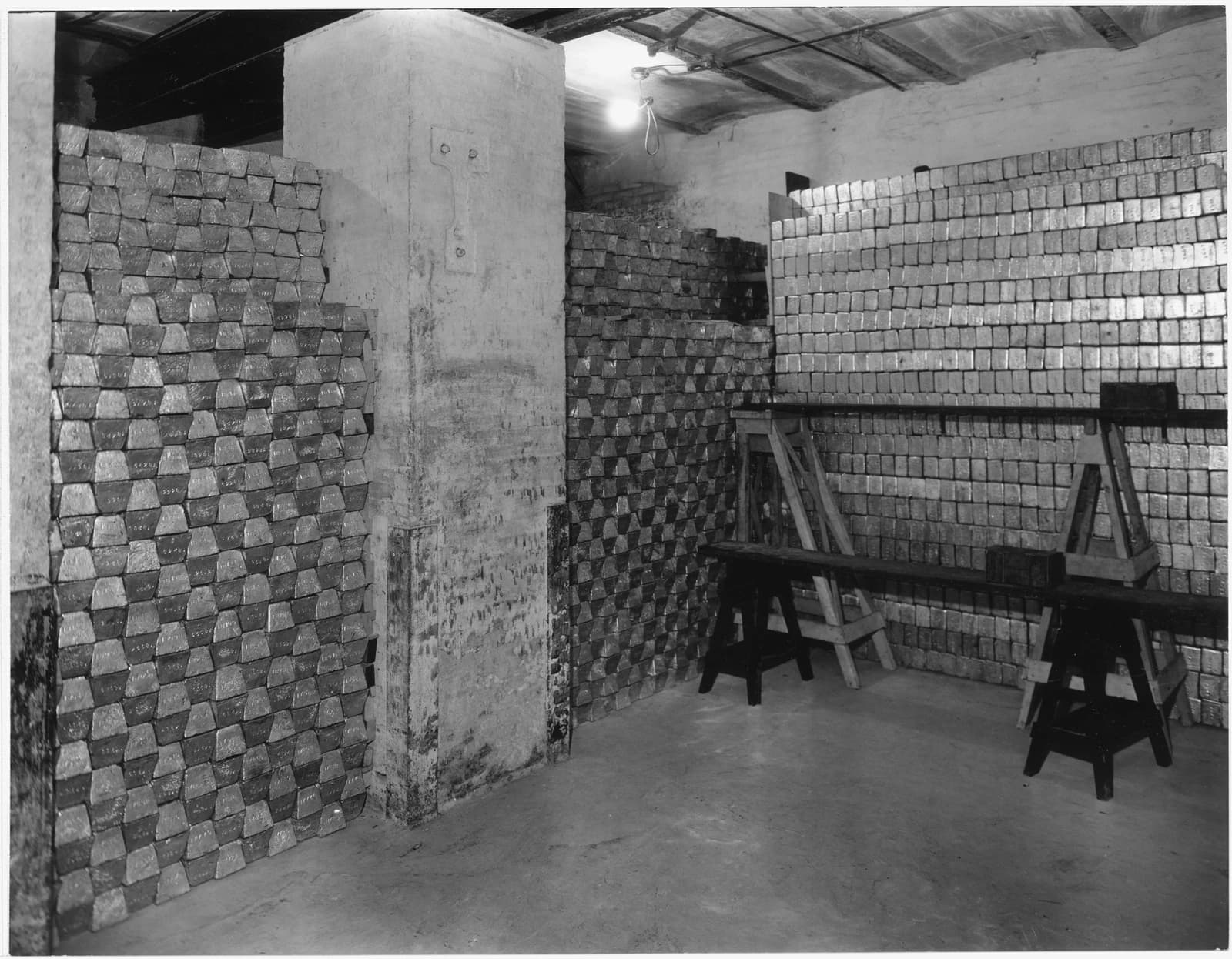
Almost 100 tons of Russian gold have now made their way into the Hong Kong market, according to the seed headline, a scale that suggests official or quasi-official selling rather than routine commercial trade. That kind of volume is large enough to influence regional bullion availability and, at the margin, add to the pool of supply outside Western channels at a time when geopolitical frictions are already driving demand for hard assets.
Sentiment Indicators
The timing is important. Gold has retreated sharply from its earlier highs, with COMEX futures closing at $3,898.9 an ounce on Oct. 30, down from $4,051.6 two days earlier, while the GLD ETF fell to $355.78. The pullback comes after a powerful rally this year and has been accompanied by a jump in volatility, with the Adalytica Gold Fear & Greed Index showing “Extreme Fear” in sentiment even as awareness remains elevated. That combination usually reflects a market that is still heavily positioned and highly sensitive to new supply, macro headlines and central-bank or sovereign flows.
For Russia, bullion remains one of the few internationally mobile assets that can be sold for hard currency with relative flexibility. If the metal is being routed through Hong Kong, that would fit a broader pattern of sanctioned states using Asian trading hubs to monetise reserves and keep foreign-exchange options open. The economic logic is straightforward: gold can help bridge budget needs, support imports and reduce reliance on the banking system, even if at a discount or through more opaque channels.
Investors should care for two reasons. First, the flow is a reminder that sovereign selling can become an overhang for gold prices when markets have already run hard and are vulnerable to profit-taking. Second, it reinforces the geopolitical bid for bullion over the medium term: the same sanctions and de-dollarisation pressures that push Russia to sell gold also encourage other states and investors to hold more of it. That tension helps explain why gold can be under near-term price pressure while still retaining strategic support.
The broader market backdrop is mixed rather than one-directional. U.S. 10-year Treasury yields have climbed back above 5% in recent sessions, a level that typically competes with non-yielding assets like gold. At the same time, oil has remained firm around $105 a barrel, keeping inflation and geopolitical risk in focus. That makes bullion both a funding source for Russia and a hedge for investors navigating a less stable global backdrop.
For now, the key question is whether the Hong Kong flow is a one-off monetisation effort or part of a sustained liquidation campaign. If it is the latter, the market may have to absorb more sovereign supply just as speculative appetite cools. If not, the episode still highlights how sanctions are reshaping trade routes and reserve management, with Hong Kong acting as a critical valve in the gold market.
| Entity | Gains | Losses |
|---|---|---|
| Russia | ▲Hard-currency liquidity | ▼Reserve diversification |
| Hong Kong bullion market | ▲Trading volumes | ▼Price stability |
| Gold buyers outside West | ▲Access to supply | ▼Higher near-term supply risk |
| Gold bulls | ▲Geopolitical hedge case | ▼Short-term price pressure |