An armed raid at a Besançon jewelry factory that reportedly netted 20 to 50 kilos of gold is a sharp reminder that bullion’s value depends not just on price, but on security, logistics and trust.
Gold theft raises security costs for bullion supply chain

For investors, the immediate market impact is limited, but the incident underscores a bigger truth: when gold prices are elevated, the incentives for organized theft rise with them. That matters for refiners, fabricators, insurers and anyone moving physical metal through the supply chain. It also helps explain why gold-related assets can benefit from a risk premium when crime, geopolitical stress or supply-chain disruption makes custody of the metal more expensive.
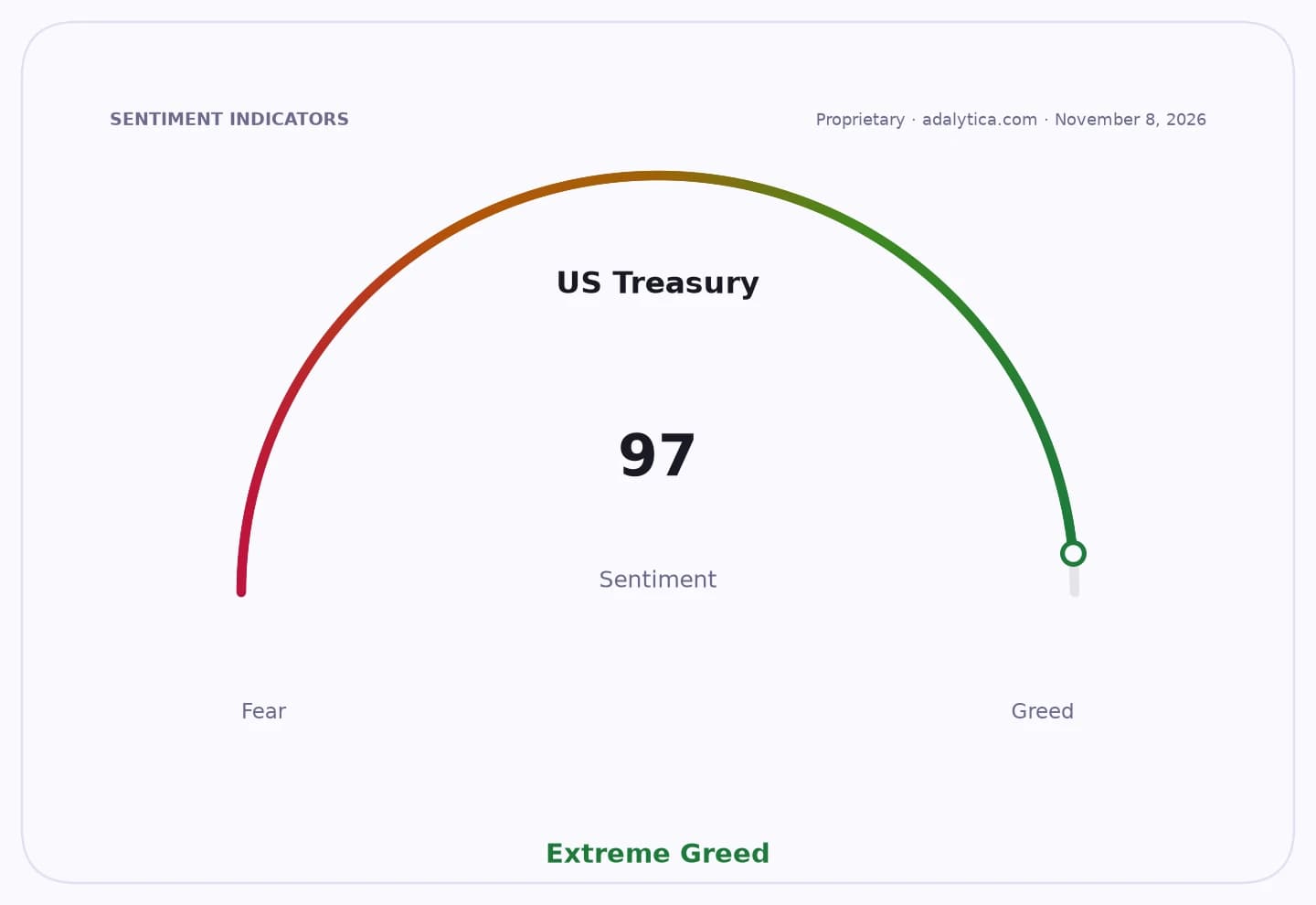
Sentiment Indicators
Gold futures have been volatile lately, with the December contract around $4,111.9 an ounce after a recent pullback from above $5,300 earlier in the year, while the iShares Gold Trust has also retreated from its highs and is trading below its 50-day moving average. Conventional technical indicators suggest the metal has been trying to stabilize after a sharp slide: gold futures have rebounded from oversold RSI readings near 25 in late October to the mid-40s, while GLD’s RSI has recovered from the mid-teens to the mid-40s. Newmont, one of the biggest gold miners, has also seen its shares pull back from a steep run-up, even as they remain above long-term support levels.
That mix of high prices and choppy trading creates room for a simple investor lesson: the gold story is bigger than the day-to-day quote. Physical bullion is still a store of value, but it is also a real-world asset that requires transport, guards, vaults and compliance. Whenever those costs rise, the economics of the broader gold industry change. Miners may benefit from stronger prices, while fabricators and vault operators face higher security bills and more operational risk.
The Besançon robbery also fits a wider pattern of theft-related crime that businesses and governments are struggling to contain. From precious metals to cables and cash, the common thread is the same: valuable physical assets are harder to protect when criminal networks are organized and willing to use force. For investors, that means the quality of a gold business is not just measured by reserves or production growth, but by how well it secures the metal it handles.
Over the longer term, gold remains attractive for diversification, especially when fear rises and confidence in financial stability wobbles. Adalytica’s Gold Fear & Greed Index is still in “Fear,” even after a one-day rebound, suggesting sentiment remains fragile. That is typically the kind of backdrop in which gold retains its role as a portfolio hedge. For long-term investors, the better takeaway is not to chase headlines, but to keep exposure diversified and focused on quality producers, low-cost ETFs and businesses with durable balance sheets.
| Entity | Gains | Losses |
|---|---|---|
| Gold miners | ▲Higher bullion prices | ▼Higher security and operating costs |
| Gold ETFs and bullion holders | ▲Safe-haven demand | ▼Short-term volatility |
| Fabricators and refiners | ▲Strong pricing backdrop | ▼Theft and logistics risk |
| Criminal groups | ▲Stolen bullion value | ▼Greater police scrutiny |