Gold is falling in the market even as a deadly mine collapse in Colombia underscores how little buyers often know about where the metal comes from.
Gold Falls After Colombia Mine Collapse
Spot gold futures settled at $4,007.90 an ounce on Oct. 23, down from $4,150 two sessions earlier, while the SPDR Gold Shares ETF slipped to $366.61 from $378.95 over the same stretch. Newmont, the biggest listed gold miner, fell to $108.87 from $117.18, showing investors are taking some profit off the table as the metal loses momentum.
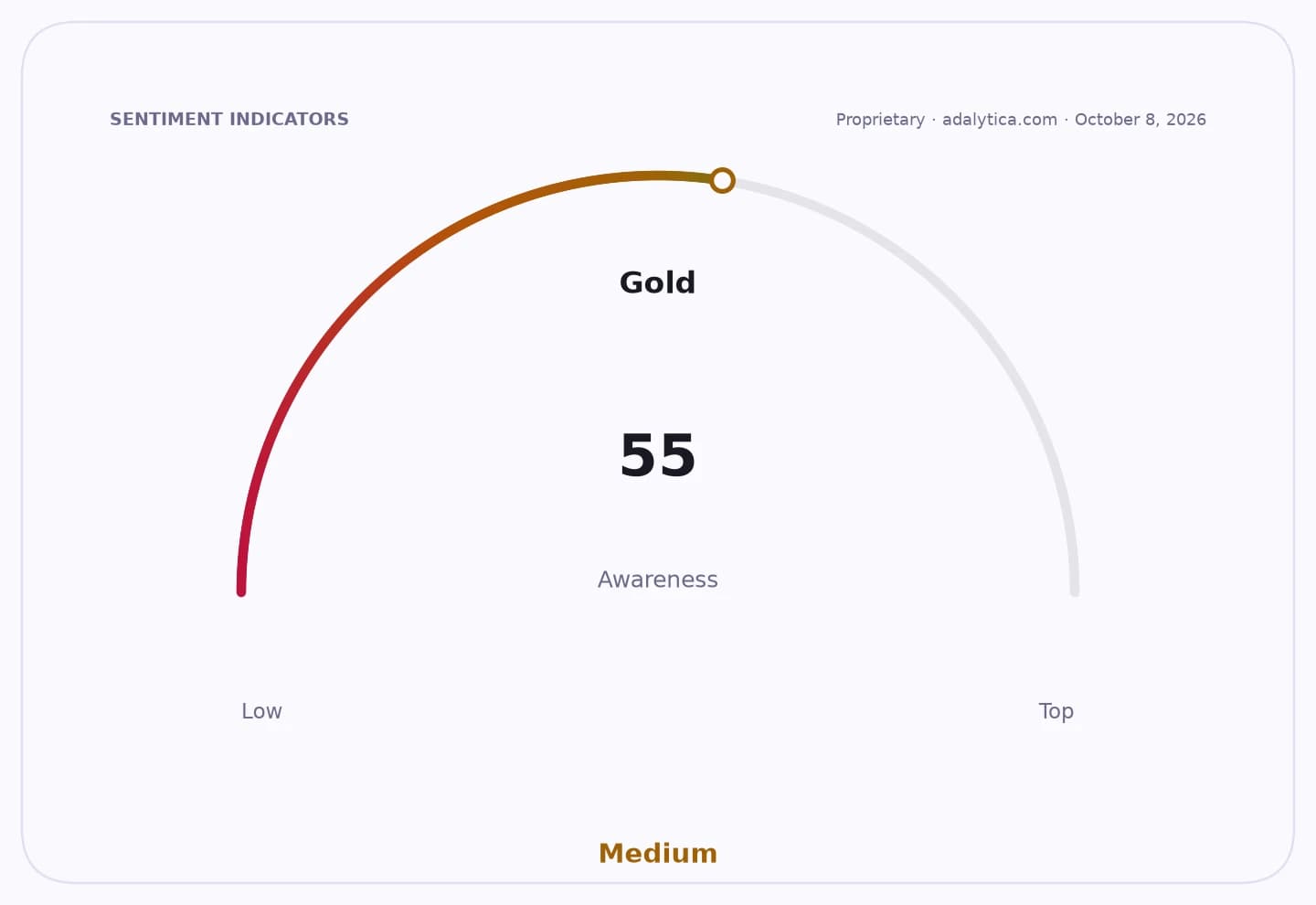
Sentiment IndicatorsⓘProprietary · adalytica.com · October 25, 2026
This is a snapshot — live sentiment, awareness and momentum for 130+ markets update continuously in the dashboard.Open AlphaPulse
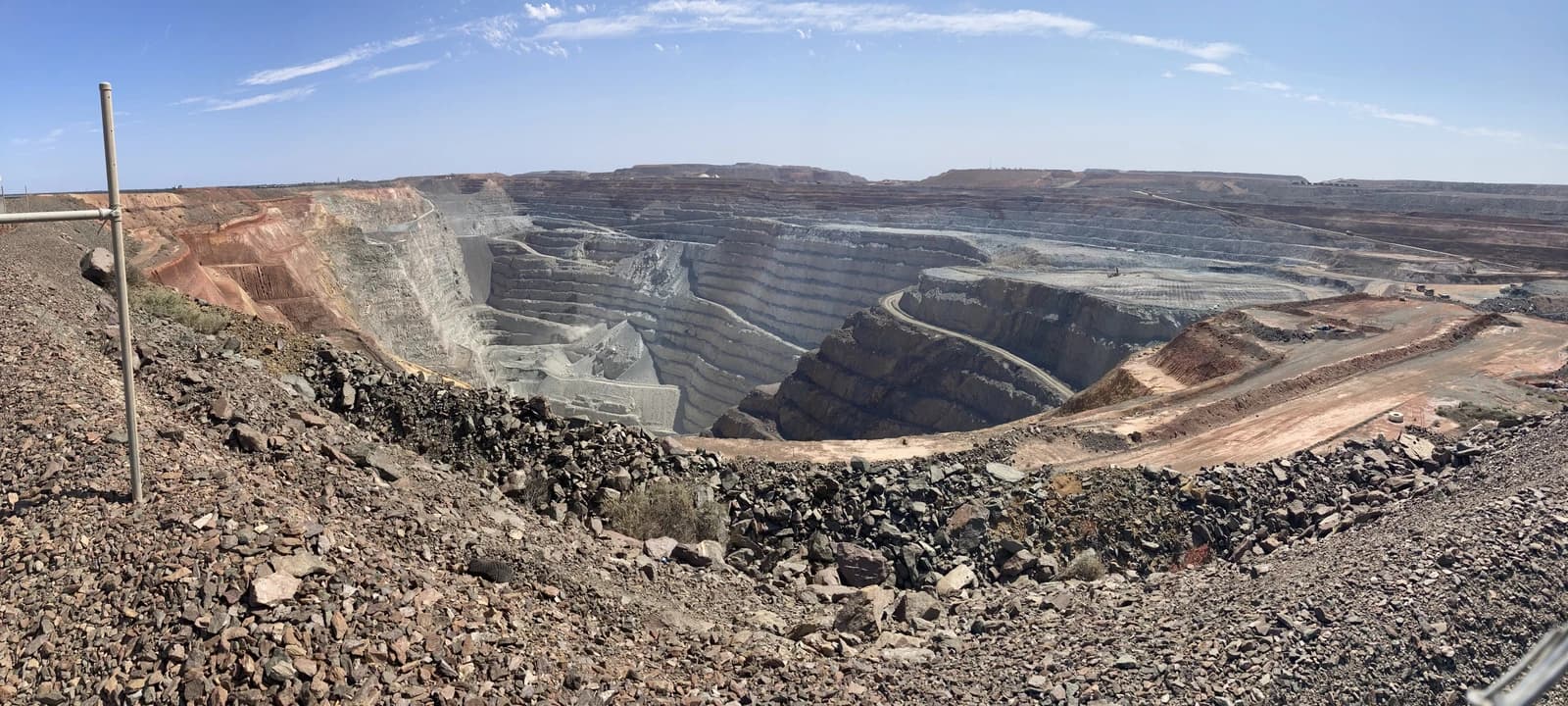
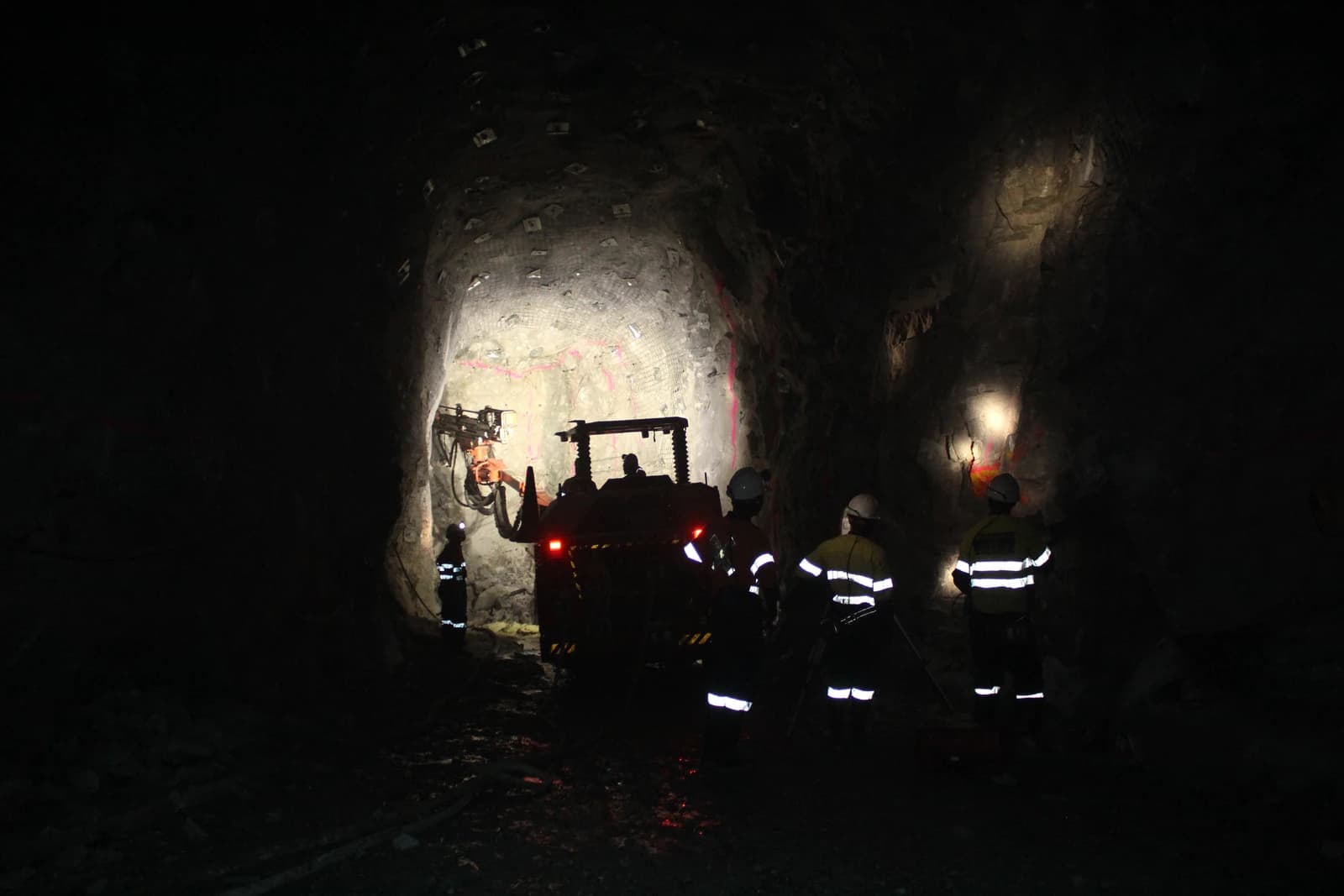
The pullback comes alongside fresh scrutiny of the global gold trade after at least nine people were reported dead in a collapse at an illegal mine in Santa Bárbara de Iscuandé in Colombia’s Nariño region. The incident lays bare the gap between the value gold commands in London and New York and the dangerous, often opaque conditions in which part of it is mined.
That gap matters economically because gold is not just a store of value; it is also a highly fungible asset that can move through layers of intermediaries, refiners and traders before reaching end users. The less traceable the chain, the easier it is for gold linked to illegal mining, criminal networks or weak labor standards to reach the formal market.
For investors, the issue is bigger than one accident. It raises questions about the integrity of responsible-sourcing claims across the bullion industry, including the role of the London Bullion Market Association, whose rules require refiners to source responsibly and undergo annual independent assurance. It also adds reputational and compliance risk for refiners, exchanges and buyers that rely on paperwork rather than field verification.
The concern is amplified by the scale of illicit flows. SWISSAID estimated at least 435 metric tons of gold were smuggled out of Africa in 2022, while its 2024 work said the United Arab Emirates imported more than 2,500 tons of African gold between 2012 and 2022 that did not show up as declared exports in source countries.
A recent New York Times investigation, translated by Infobae, added to the pressure by describing mines in Colombia and Madagascar with child labor and criminal payments, and by alleging that certified gold from one operation was sold to a U.S. Mint supplier. Those claims were not independently verified in the material provided, but they sharpen the market’s central problem: the downstream buyer may know far less than the certificate suggests.
Technically, gold has also cooled. The metal’s latest close leaves it below both its 50-day moving average of $4,341.87 and its 200-day average of $4,532.90, while RSI readings have eased to 35.7, signaling weaker momentum after the earlier surge. GLD is similarly trading below its 50-day and 200-day averages, reinforcing the softer near-term tone.
The near-term catalyst is whether gold stabilizes around $4,000 an ounce or extends its slide as investors rotate out of havens. But the longer-running story is unchanged: as long as gold retains its daily price and its origin remains hard to verify, the market will keep rewarding the metal while underpricing the human cost of extracting it.
| Entity | Gains | Losses |
|---|---|---|
| Gold buyers | ▲Lower entry prices | ▼Less momentum in price |
| Refiners and traders | ▲Smoother supply flow | ▼More scrutiny on sourcing |
| Responsible miners | ▲Premium for clean supply | ▼Pressure from illicit competition |
| Workers in informal mines | ▲None | ▼Safety risk and fatalities |