Goldman Sachs is betting that artificial intelligence can move beyond Wall Street and into Main Street, launching a new small-business AI institute as the bank and its tech partners try to turn a costly corporate race into a broader productivity play.
Goldman Sachs launches small-business AI institute

The move matters because small businesses account for more than 90% of U.S. companies and most job creation, making them the real test of whether AI can produce economic gains beyond headline-grabbing investment in data centers and Big Tech. Goldman is folding the initiative into a $500 million expansion of its 10,000 Small Businesses program and linking up with Google, Anthropic, OpenAI and Meta to provide training and tools.
For Goldman, the pitch is strategic as well as philanthropic. CEO David Solomon has said the bank will be “in the middle” of the financing tied to the AI buildout, and Wall Street is already riding that wave: Goldman’s shares have roughly tripled over three years as AI-fueled markets pushed stocks to record highs. The bank is also involved in high-profile AI-linked capital-markets work, including SpaceX and reportedly Anthropic.
The institute lands at a moment when the AI boom is colliding with public skepticism and investor nerves. A recent NBC News poll found 79% of respondents think the government is not doing enough to regulate AI, while 67% disapprove of President Donald Trump’s handling of the technology. At the same time, market participants are increasingly asking whether the spending cycle behind AI can justify the returns, with some analysts warning of bubble risk as Big Tech keeps pouring money into compute and infrastructure.
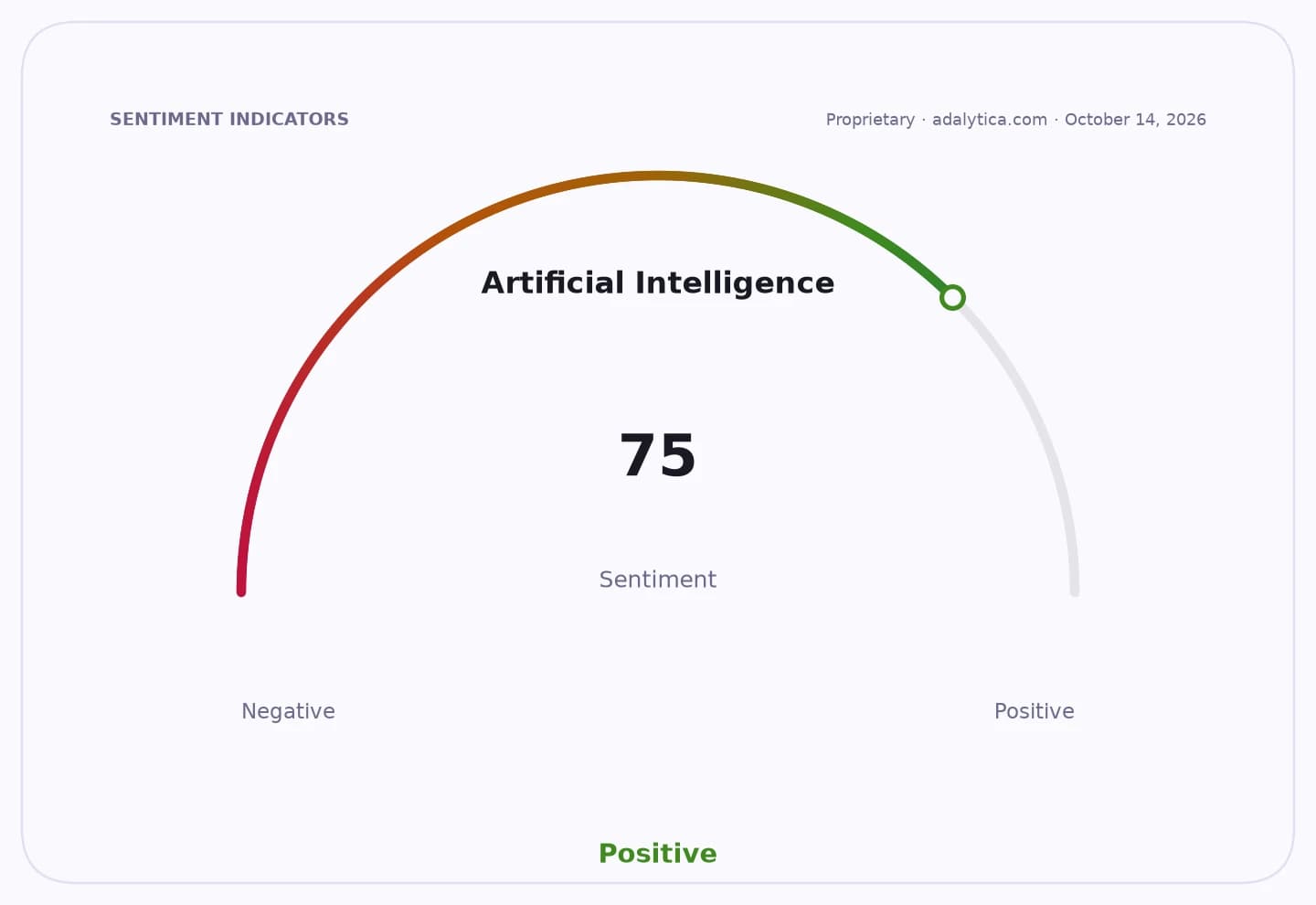
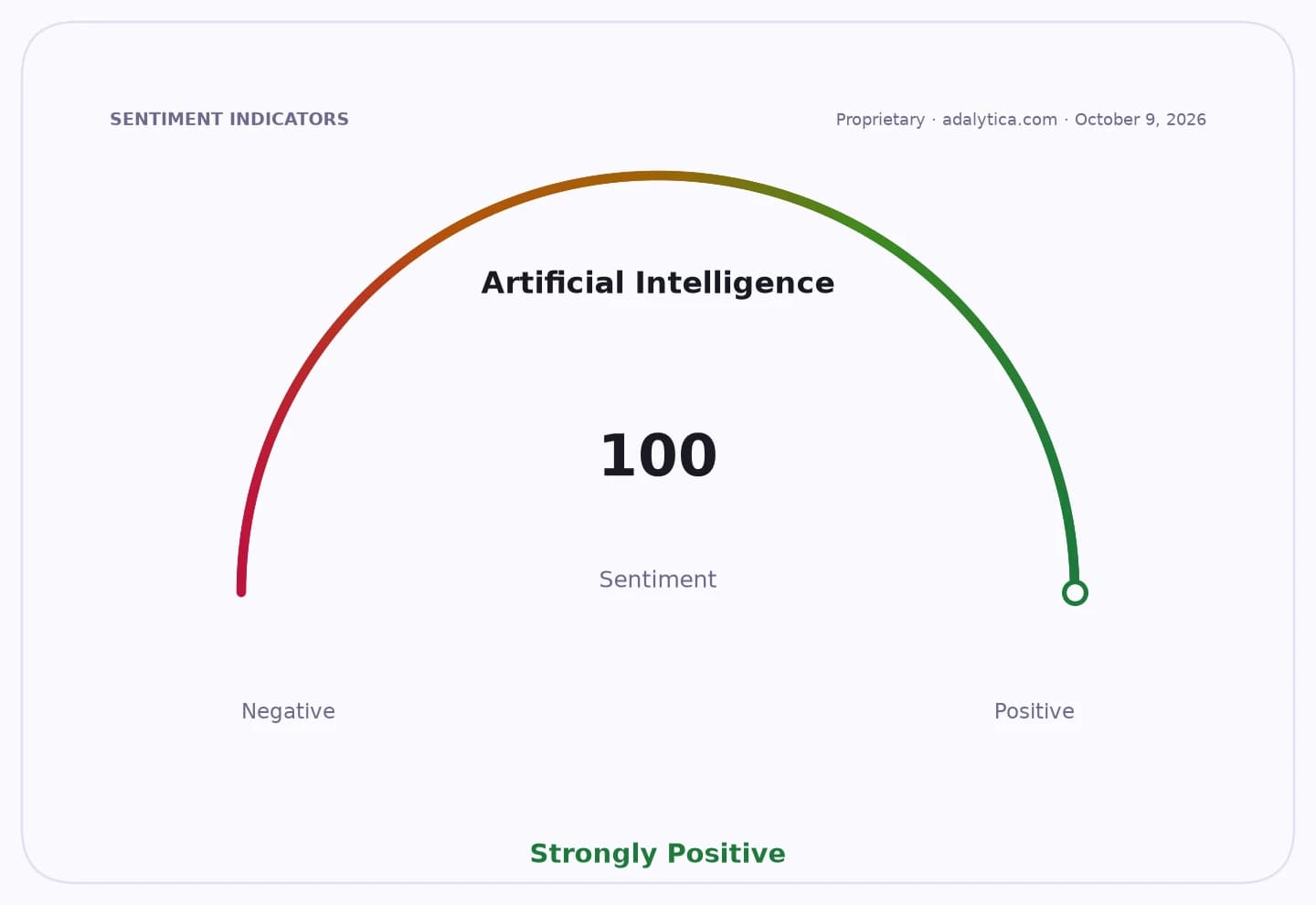
Goldman’s own survey suggests adoption is already spreading: 86% of more than 2,400 small-business-program graduates said they use AI in their companies, up from 56% in 2024. But only 15% said they have fully integrated it into core operations, underscoring the gap between experimentation and meaningful cost savings or revenue growth.
That gap is what investors are watching. If AI tools help smaller firms lift output, streamline planning and marketing, or reduce back-office work, the technology could broaden beyond mega-cap beneficiaries and support a wider earnings upgrade across the economy. If the payoff stays limited to pilots and promotional use, the current AI capex cycle may remain concentrated in a handful of hyperscalers and model providers.
There are also risks that could slow adoption. Business owners are wary of cybersecurity threats, rising compute costs and backlash over AI-generated content, while workers fear displacement. Goldman clients interviewed by NBC said they want AI to support staff, not replace them — a reminder that the next phase of the AI trade may depend less on flashy demos than on whether Main Street can use the tools profitably and safely.
| Entity | Gains | Losses |
|---|---|---|
| Goldman Sachs | ▲Deepens AI investment banking reach | ▼Faces adoption skepticism |
| Small businesses | ▲Lower costs, productivity tools | ▼Cybersecurity and training burden |
| AI firms | ▲Wider enterprise distribution | ▼Greater scrutiny on value and regulation |
| Big Tech AI spenders | ▲More end users for models | ▼Bubble concerns if ROI lags |