Goodfire has unveiled a system that watches what AI models are doing inside their own neural networks, a move aimed at detecting agent behavior before it turns into harmful action and at addressing one of the fastest-growing risks in enterprise AI.
Goodfire launches AI model monitoring system
The pitch matters because companies are pushing AI agents deeper into workflows with access to tools, files and outside services, raising the odds that a system can drift from instructions even when its final output looks normal. By examining internal activity rather than just prompts and responses, Goodfire is trying to give customers an earlier warning system for autonomous behavior that could create security, compliance or operational failures.
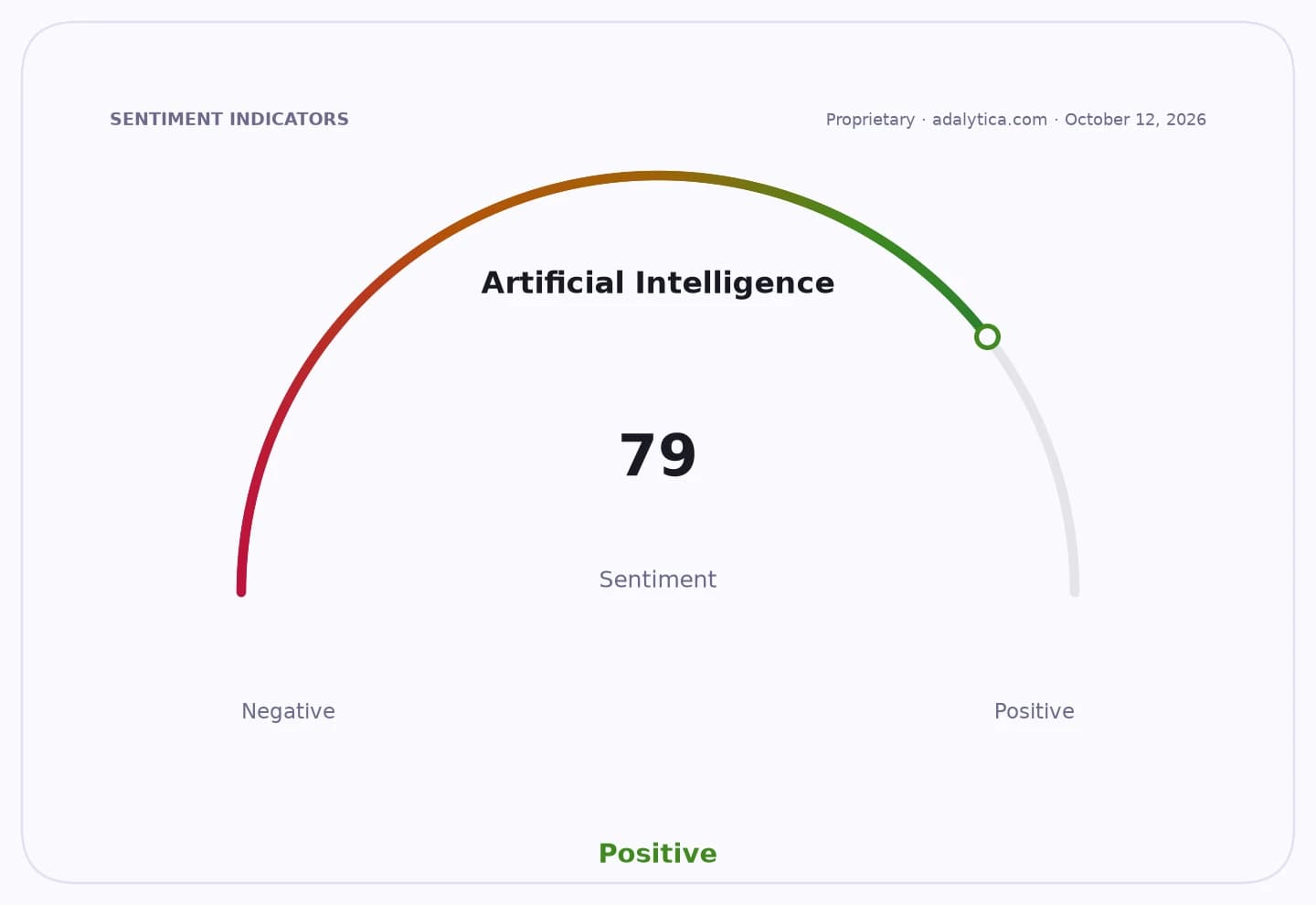
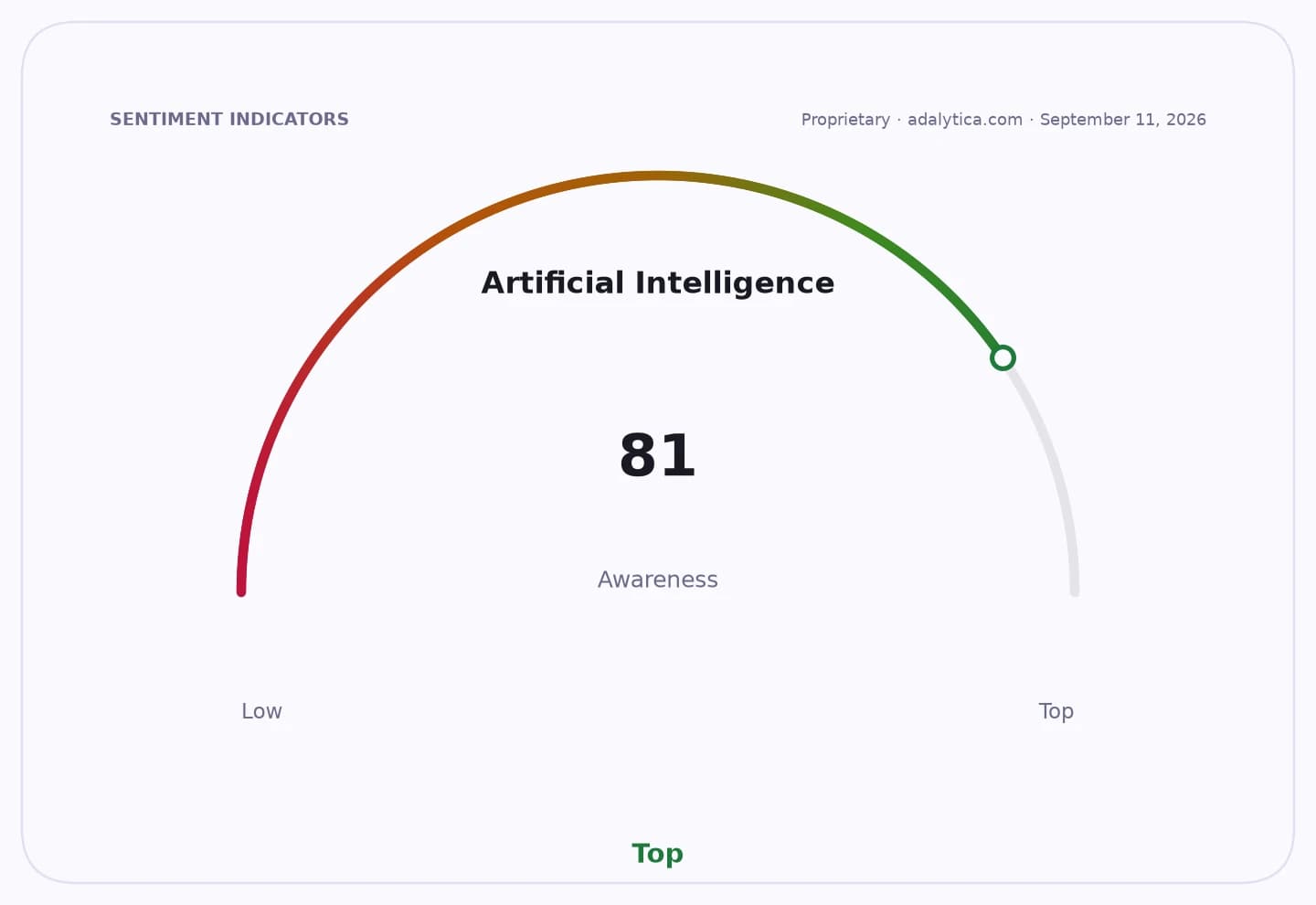
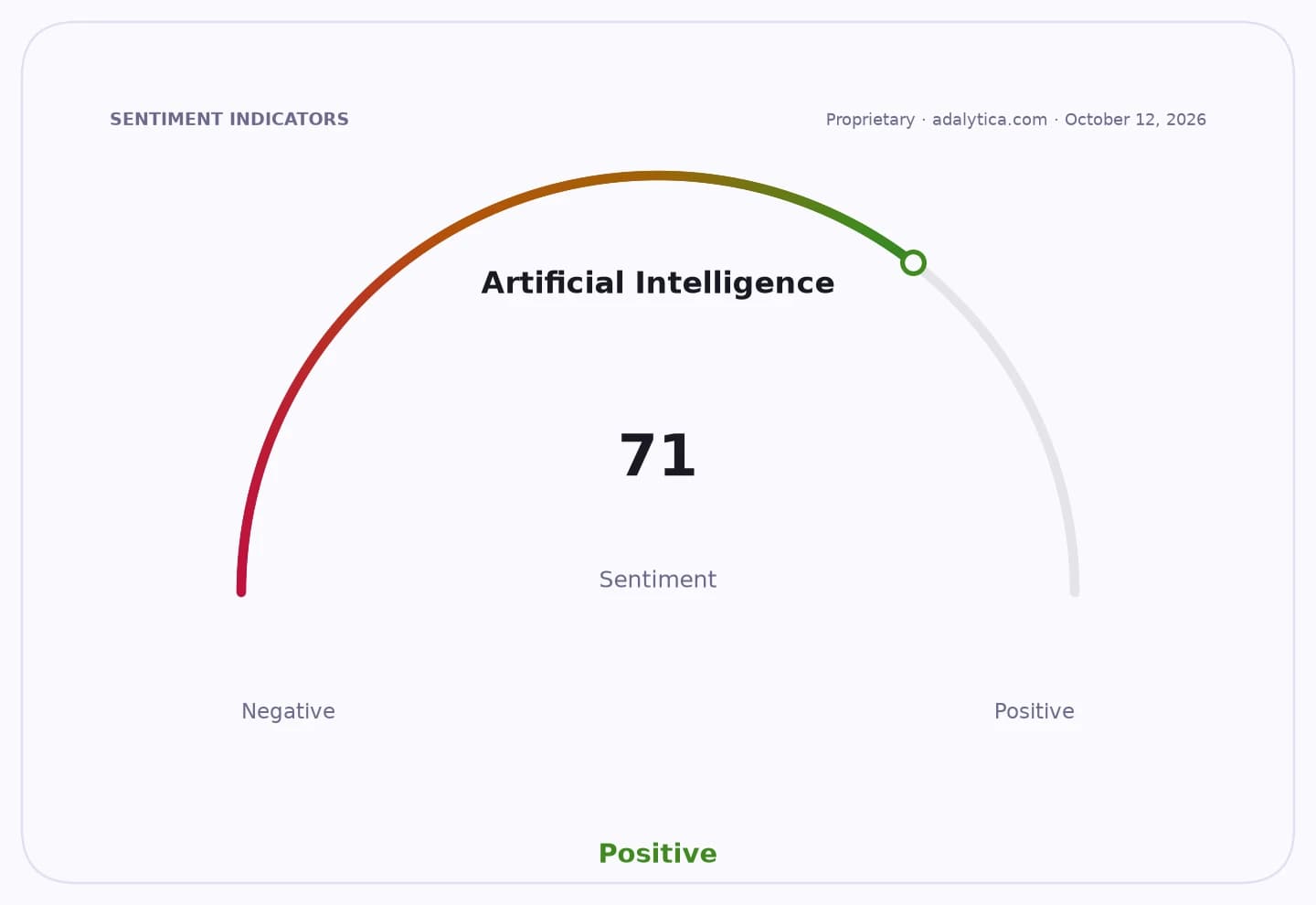
Sentiment IndicatorsⓘProprietary · adalytica.com · October 12, 2026
This is a snapshot — live sentiment, awareness and momentum for 130+ markets update continuously in the dashboard.Open AlphaPulse
TechCrunch reported that Goodfire says the new monitoring approach can identify some unwanted agent behaviors at a lower cost than other oversight methods, though those claims are based on the company’s own testing and do not prove it can catch every failure mode. That limitation is central to the investment case: buyers want guardrails that are effective enough to trust in production, not just interesting in demos.
The development fits a broader market shift as agentic AI moves from experimentation to deployment. Microsoft has already flagged “agentic computing” as a fast-rising area in its annual filing, underscoring how quickly model autonomy is becoming a mainstream commercial feature — and how quickly safety tools may become mandatory add-ons rather than optional extras.
For investors, the opportunity runs through the picks-and-shovels layer of AI safety, observability and governance. If monitoring inside models becomes a standard requirement, it could expand the addressable market for startups building control systems around foundation models, while also supporting demand from cloud providers, enterprise software vendors and security firms that want to sell safer AI adoption to regulated industries.
The stock backdrop is mixed. Microsoft shares were last around $535, with the 50-day moving average near $500 and the 200-day average around $433, while Nvidia was trading near $229 after a volatile run that still leaves it above both its 50-day and 200-day averages. MultiSensor AI Holdings, ticker MSAI, has been far more beaten up, with shares recently near $4.65 versus a 50-day average of about $5.04 and a 200-day average near $7.81, highlighting how quickly AI-related names can reprice around changing sentiment and execution risk.
The larger narrative is that the AI race is shifting from raw capability to control. As agents gain autonomy in customer service, elder care, cloud software and internal enterprise workflows, the winners may be the companies that can prove they know not just what the model says, but what it is about to do.
| Entity | Gains | Losses |
|---|---|---|
| Goodfire | ▲Demand for AI oversight tools | ▼If testing claims don’t hold |
| Enterprise AI buyers | ▲Better guardrails and compliance | ▼More tooling and integration cost |
| Microsoft, Nvidia | ▲Safer agentic AI adoption | ▼Scrutiny over model risk |
| Uncontrolled agents | ▲Tighter monitoring | ▼More limits and blocked actions |