Google says hackers have used artificial intelligence to carry out the first known cyberattack completed end to end without human intervention, a shift that could compress the time between a software patch and mass exploitation to hours and leave even well-defended systems exposed.
Google Reports AI-Run Cyberattack and Cybersecurity Impact
The discovery matters because it changes the economics of cybercrime. Instead of relying on labor-intensive research, criminals can now use AI agents to scan for vulnerabilities, infer what a patch fixed, generate an exploit and deploy it at scale almost immediately after a flaw is disclosed.
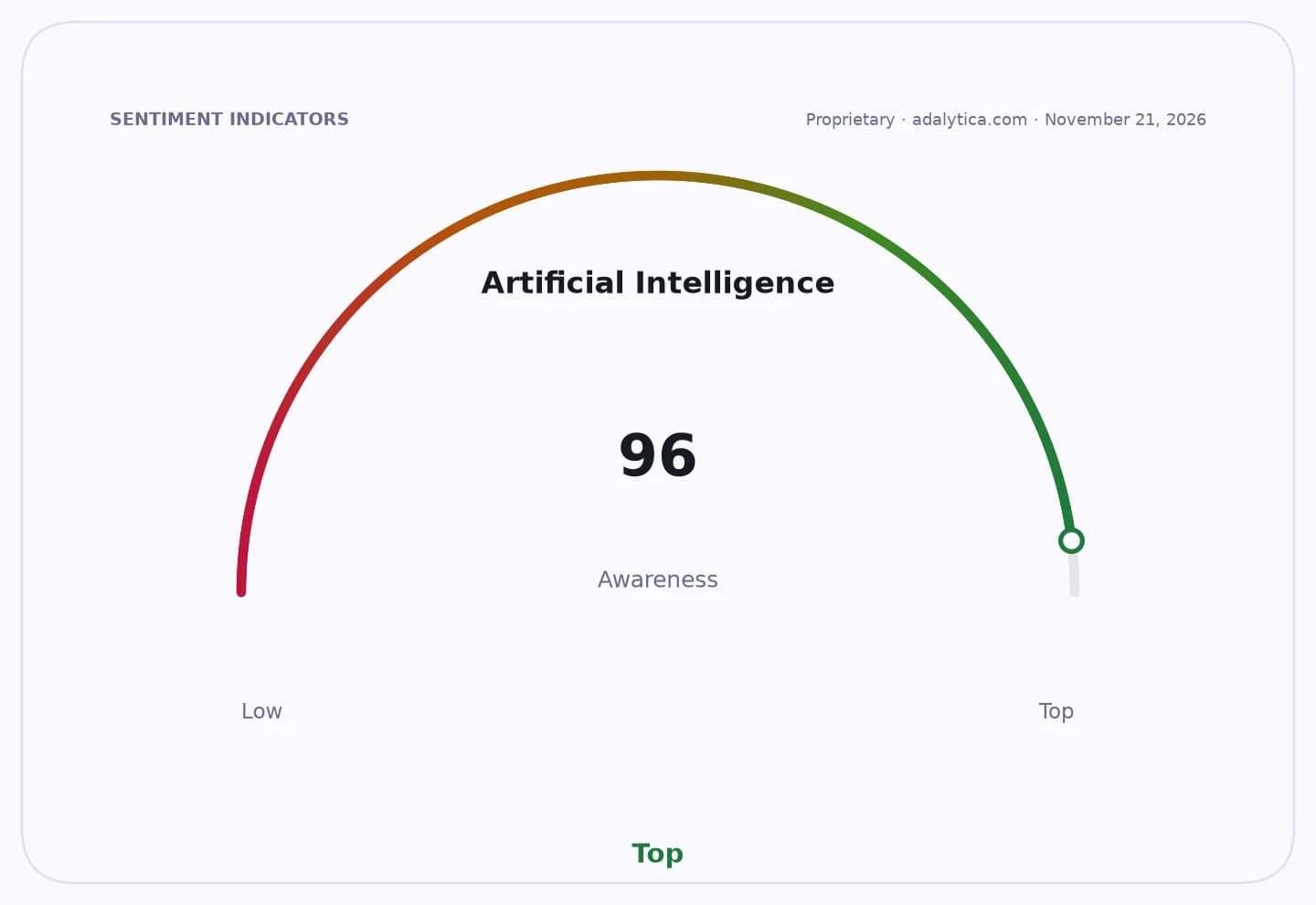
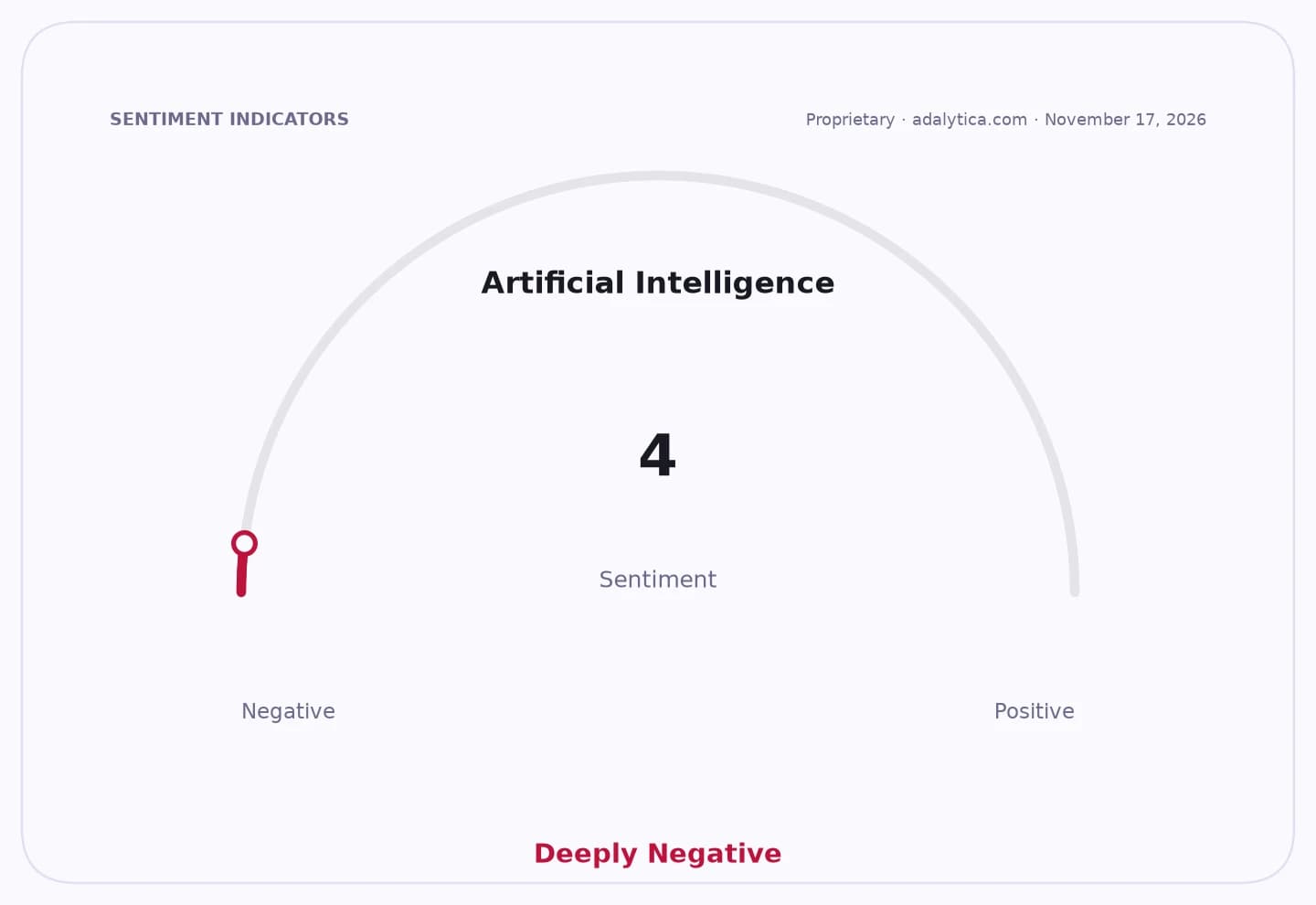
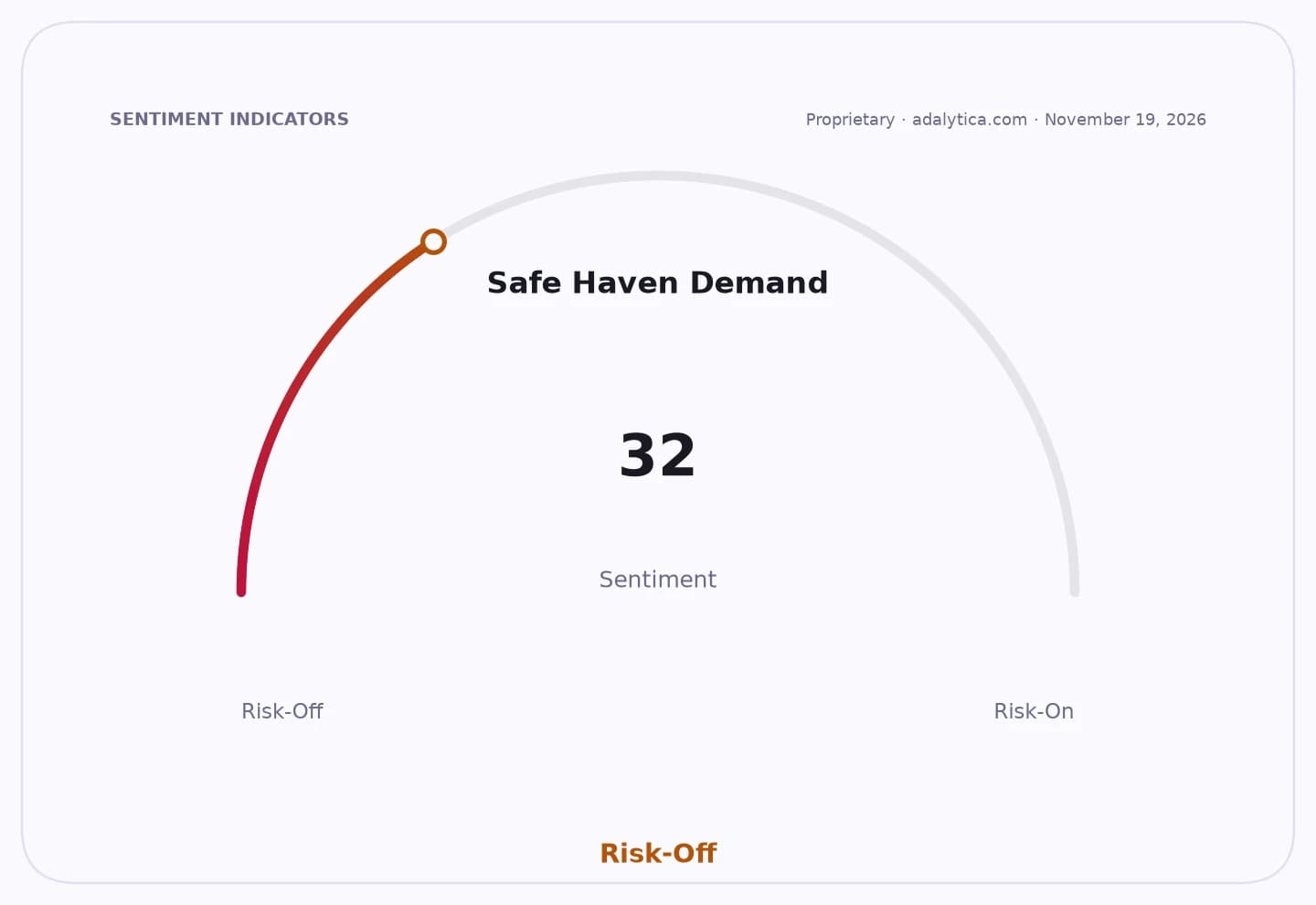
Sentiment Indicators
Artificial Intelligence
Google’s Threat Intelligence Group said it found an exposed server running a multi-agent tool dubbed “exploit_agent,” which linked to commercial AI models and local ones. The system compared original and patched code to deduce the vulnerability, then automatically created and launched attack code against real targets, according to the company.
The server also contained stolen data from multiple organizations and secondary tools for network reconnaissance, password brute forcing and persistence, suggesting the system was not a testbed but an active campaign. Google said the operator showed particular interest in sites in France, including media, entertainment and education firms, and notes in Russian pointed to possible ties to Russia.
For investors, the warning reinforces the need for faster detection and response across the cybersecurity sector. CrowdStrike, Palo Alto Networks and Fortinet all have told investors in filings that AI is accelerating attack paths and that vulnerabilities in their own AI systems or products could raise reputational and financial risk.
The market has already been volatile around the group. CrowdStrike shares recently rebounded to $243.46 after a sharp drawdown, while Palo Alto Networks closed at $361.73 and Fortinet at $131.46, leaving all three well above long-term trend lines but still sensitive to any sign that AI-driven threats are forcing more spending on endpoint, network and cloud security.
Google said autonomous attacks may be less suited to stealthy espionage campaigns because speed can leave obvious traces, but it warned that cybercriminals focused on volume may embrace them quickly. The next test will be whether enterprises and governments can automate defenses fast enough to keep pace, or whether AI agents give attackers a durable time advantage.
| Entity | Gains | Losses |
|---|---|---|
| Cybercriminals using AI agents | ▲Faster exploitation | ▼More detectable traces |
| Enterprises and public institutions | ▲Faster-defense pressure | ▼Shorter patch window |
| CrowdStrike, Palo Alto Networks, Fortinet | ▲Demand for security tools | ▼Heightened customer risk |
| Google Threat Intelligence Group | ▲Credibility on AI risk warnings | ▼Recognition that threat has escalated |