Google is telling K-12 schools they can no longer keep its search engine while opting out of the company’s artificial intelligence tools, escalating a fight over how much control Big Tech should have in classrooms and what families get in return for using Google’s education stack.
Google K-12 schools must use AI to keep search

The new policy matters because Google is the dominant provider of classroom software in the U.S. and says 150 million students and teachers worldwide use Google Classroom. By making search conditional on AI adoption, the company is effectively tying one essential school tool to another at a time when educators and parents are questioning whether generative AI belongs in elementary and middle schools.
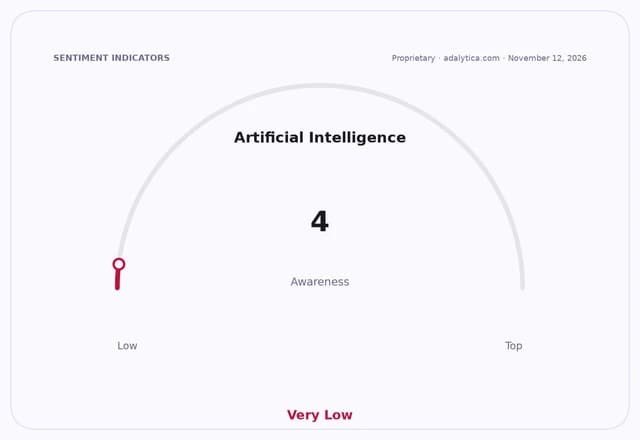
Sentiment Indicators
Under the updated controls, school administrators can now individually switch on or off Gemini, Gemini Notebook and search, with each turned off by default unless explicitly enabled. But because search is integrated with AI, schools that reject AI altogether would also lose access to Google search, raising the stakes for districts that want Google’s core productivity tools without its chatbot features.
The move follows backlash that intensified after Google began turning on Gemini for many K-12 students in August. Until then, Gemini had only been available to students 18 and older, and Tuesday’s reversal suggests the company is trying to blunt criticism by giving schools more formal control while still pushing them deeper into its AI ecosystem.
For investors, the story is less about immediate revenue and more about Google defending a strategic moat. Education is a long-duration user pipeline: students who grow up on Google Classroom and Chromebooks often become adults embedded in Google Search, Chrome and cloud services. If schools begin to view the company as coercive, that brand advantage could become a political and regulatory liability even if near-term usage holds up.
The backlash also lands in a market where AI adoption is accelerating but public trust is uneven. Parents and advocacy groups have argued that AI can make cheating easier and weaken critical thinking, while some districts, including New York City and Los Angeles, have imposed temporary bans on generative AI in younger grades as they write policies on safety and use.
Google said it is also updating search to be “better for learning,” including step-by-step guided help meant to keep students from getting quick answers to schoolwork. But that framing is unlikely to calm critics who say the company is using search, which remains indispensable in schools, to force AI into classrooms.
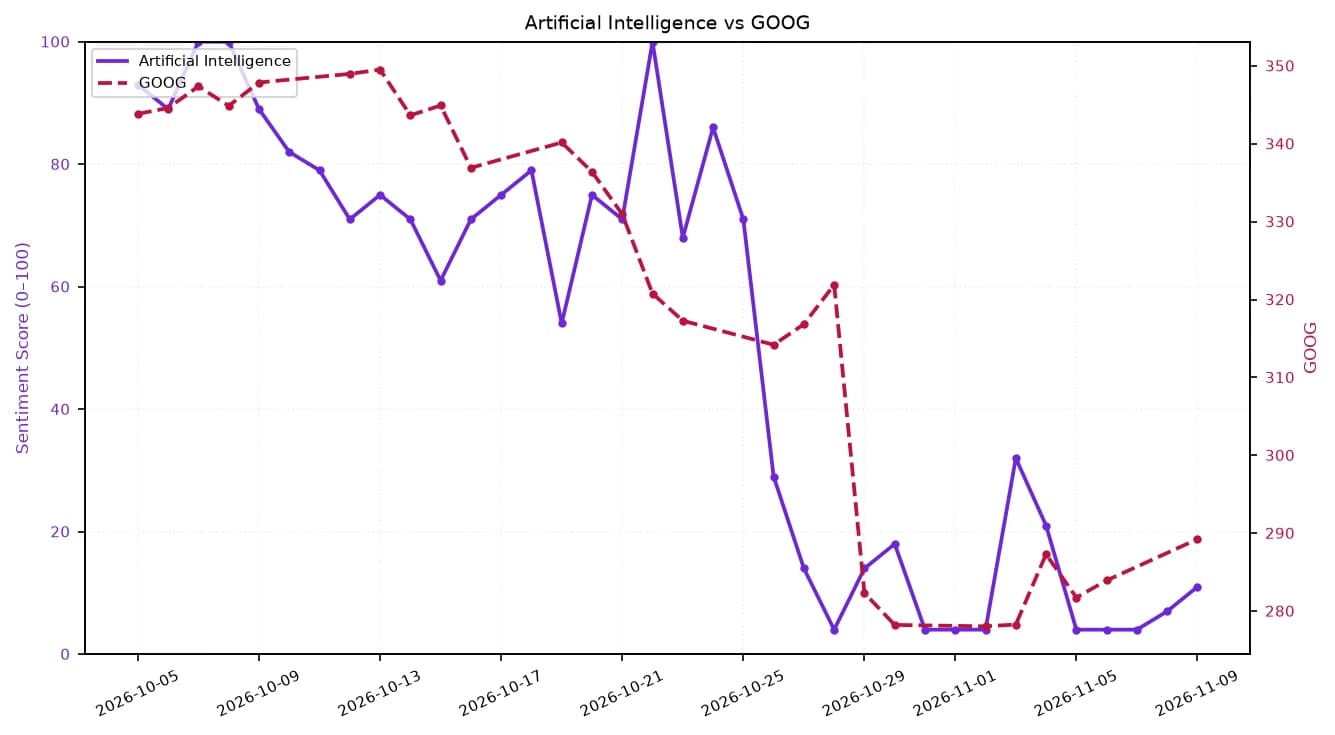
Alphabet shares have been volatile amid the broader tech selloff, and the stock’s recent technical backdrop shows weakness, with the 50-day moving average above the price and the relative strength index in oversold territory on the latest reading. That leaves investors more sensitive to any headline that could invite regulatory scrutiny or customer pushback around AI deployment, especially in sensitive consumer and education markets.
The next flashpoint will be whether districts push back by dropping parts of Google’s education suite altogether or whether the company’s scale makes resistance impractical. If more school systems follow the lead of the biggest U.S. districts and restrict AI, Google may have to choose between slowing AI rollout in education or risking a wider backlash over access to search.
| Entity | Gains | Losses |
|---|---|---|
| ▲Deeper AI adoption | ▼Classroom backlash | |
| Schools adopting AI | ▲Full Google access | ▼Less autonomy |
| Schools rejecting AI | ▲Fewer AI risks | ▼Loss of search |
| Parents/educators | ▲More control over kids’ tools | ▼Less convenient access |