Google is making schools choose between search and AI, a move that sharpens a broader battle over who controls the future of classroom technology and how quickly the world’s biggest education platform can push its Gemini tools into K-12 schools.
Google K-12 Search Access Tied to Gemini

The company said K-12 students using Google software will no longer get access to Google Search unless school administrators explicitly turn on its AI features, including Gemini, Gemini Notebook and Gemini in Classroom. For districts trying to limit generative AI because of cheating, safety and child-development concerns, the policy effectively turns an essential research tool into leverage.
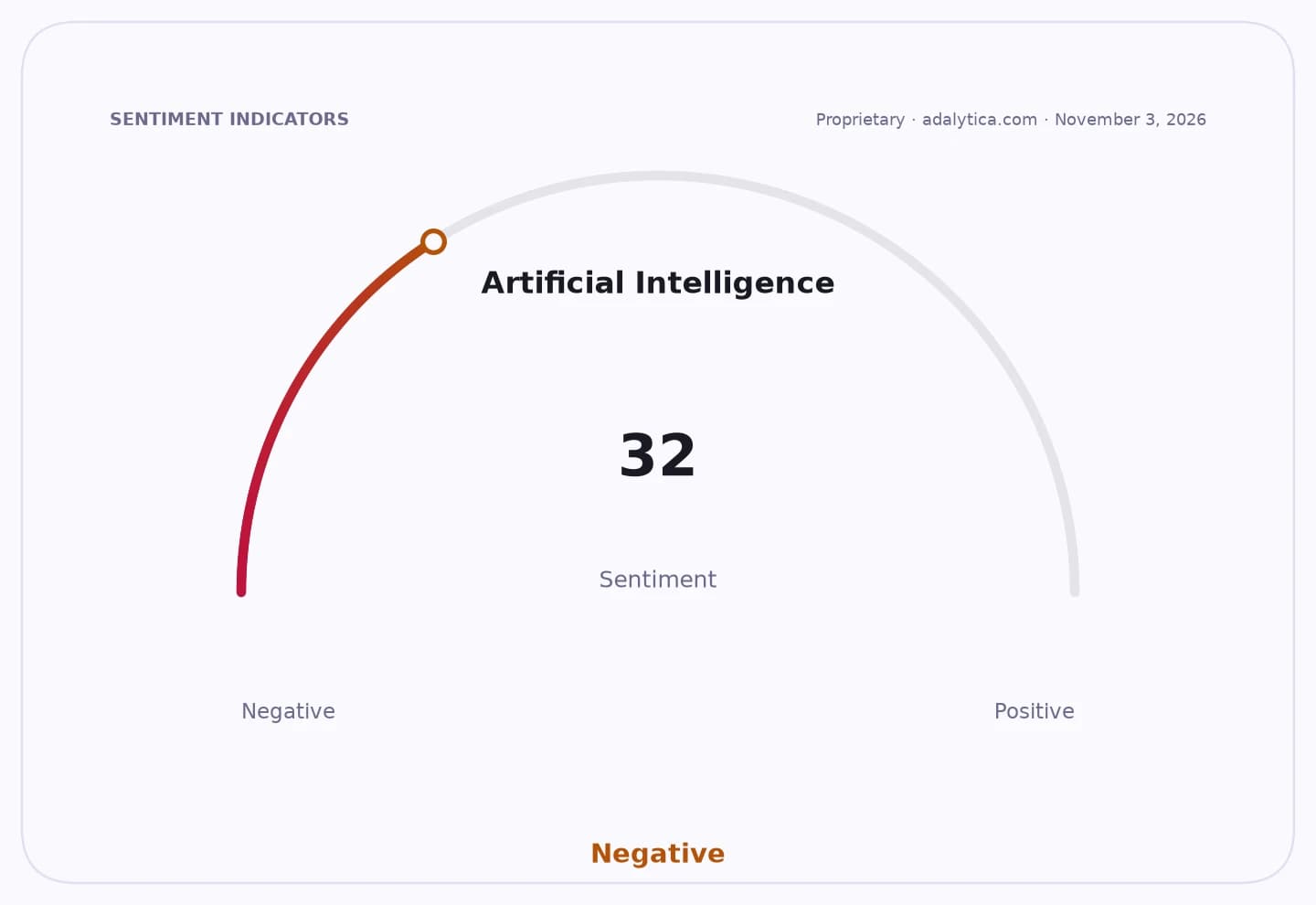
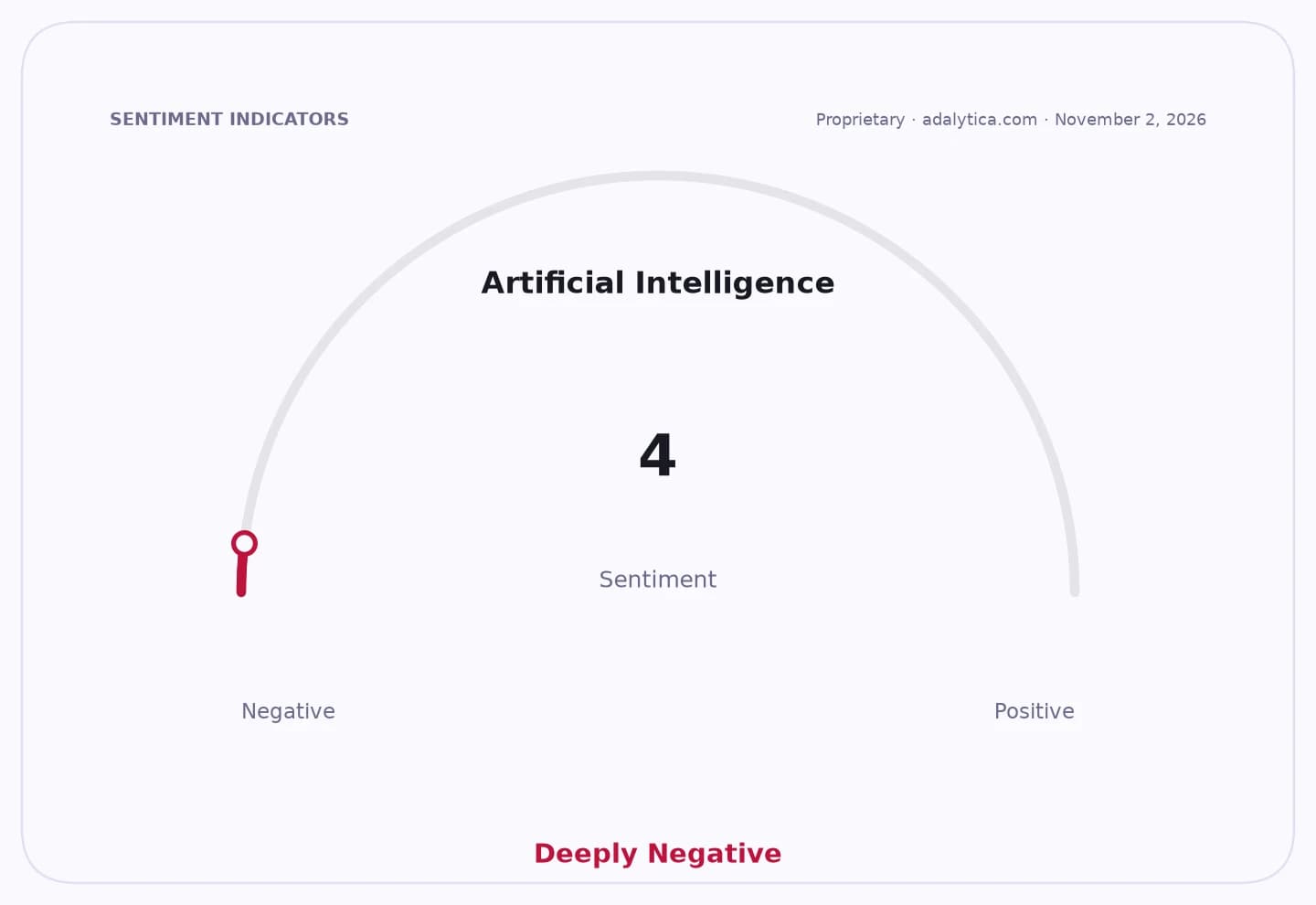
Sentiment Indicators
That matters economically because Google is not just selling software to schools; it is defending a distribution channel that reaches millions of students at a formative age. Google says 150 million students and teachers worldwide use Google Classroom, and many schools rely on Chromebooks and Google tools as their default digital infrastructure. By tying search access to AI adoption, Google is trying to preserve its grip on education while accelerating usage of a product it sees as central to the next computing cycle.
Investors should care because this is exactly where the AI monetization story gets more complicated. The market has largely rewarded Alphabet for its AI position, but the education push shows the company is also facing reputational and regulatory risk as it tries to convert AI from a feature into an ecosystem. If schools push back, the tactic could invite scrutiny from policymakers and antitrust veterans already suspicious of Google’s dominance in search and education software.
The timing is sensitive. New York City and Los Angeles, two of the biggest school districts in the U.S., have already imposed temporary bans on generative AI tools in elementary and middle schools while they assess safety and policy. Educators, child advocates and former regulators are framing Google’s move not as a product update but as coercion. That response raises the odds of broader restrictions on how AI is bundled with core services in schools.
The market backdrop also helps explain why Google may be pressing harder. Alphabet shares have been under pressure recently, with the stock falling to around $282.57 on Nov. 5 from $338.24 on Oct. 1, and technical readings show the shares below both the 50-day and 200-day moving averages, with RSI readings deep in oversold territory. In other words, sentiment is already fragile, and any policy backlash around AI in schools could extend the drag even as Alphabet argues the move simply gives administrators more control.
Our thesis is that this is less about classrooms than about distribution power. Google understands that if AI becomes the default interface for search, homework and productivity, early adoption matters. Schools are a high-value proving ground for habit formation, and whoever wins there may win user behavior for years. The risk is that the company overplays its hand and turns a product rollout into a political fight.
For investors, the opportunity is still in the picks-and-shovels trade rather than the policy headline. Alphabet remains the obvious name to watch, but the bigger second-order winners are the infrastructure and device layers that keep schools inside Google’s orbit: Chromebooks, cloud tools and the software stack that makes AI usable at scale. The losers are districts that want to keep search but avoid AI, because Google is making that separation harder.
If this strategy works, it strengthens Alphabet’s education moat and deepens AI adoption in one of the most captive user bases in tech. If it backfires, it becomes another example of Google using monopoly power in a way that accelerates regulatory pressure. Either way, the message is clear: the race to embed AI is moving beyond consumer apps and into the institutions that shape the next generation of users.
| Entity | Gains | Losses |
|---|---|---|
| Alphabet/Google | ▲AI adoption leverage | ▼Trust with schools |
| Google Classroom/Chromebooks | ▲Stickier ecosystem | ▼None if districts exit |
| AI infrastructure suppliers | ▲More usage demand | ▼Policy uncertainty |
| School districts | ▲More control if they opt in | ▼Search access if they opt out |