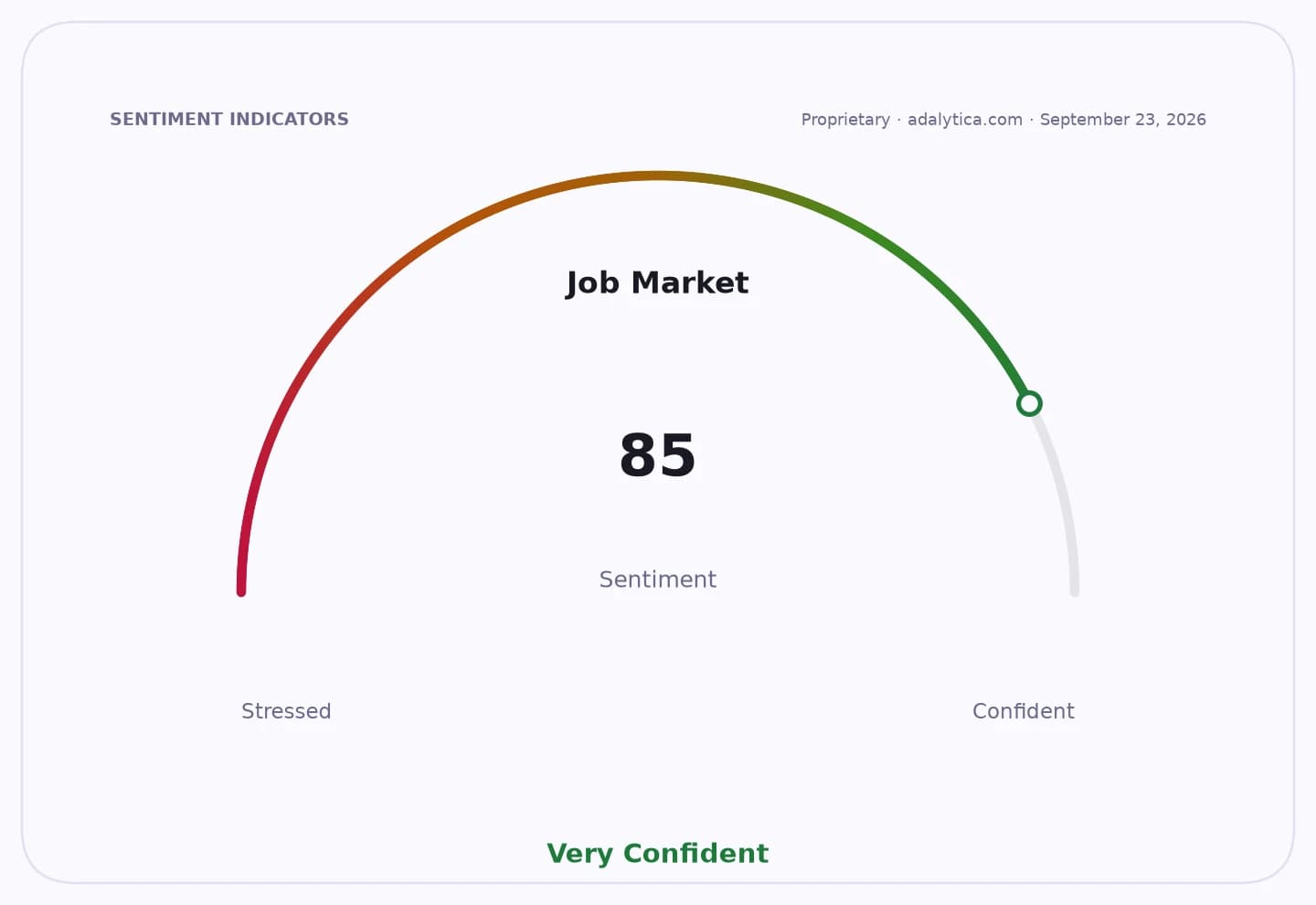
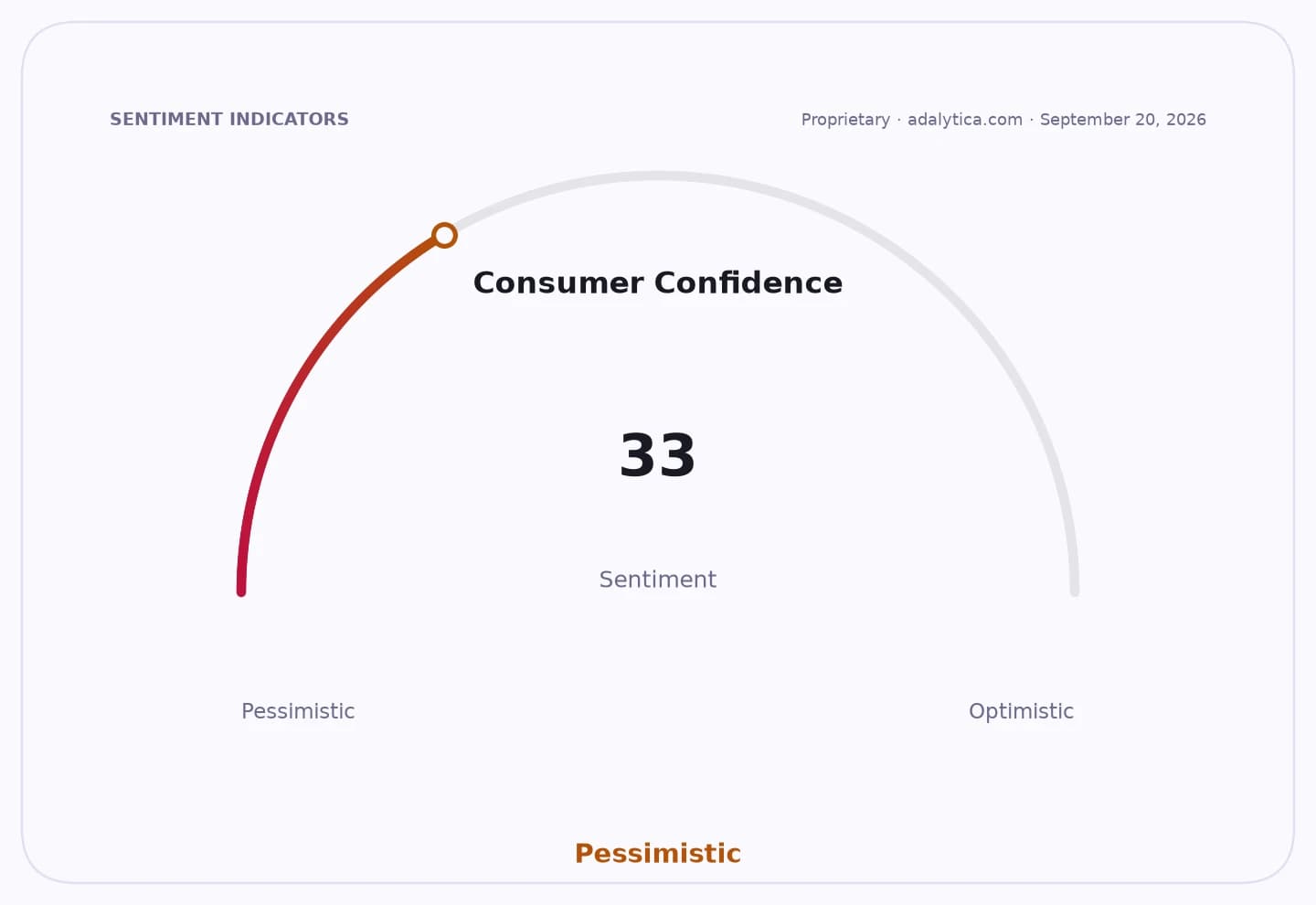
Formal employment is emerging as the government’s preferred lever for growth, even as the labor market shows signs of cooling with unemployment at 4.1% in August and payrolls still rising only modestly.
Government pushes formal jobs as unemployment holds 4.1%

The proposal matters because a larger share of workers in formal jobs typically means more stable tax collection, better household income visibility and stronger domestic demand. It also gives policymakers a way to broaden the base of social security contributions and reduce reliance on informal work, which can distort productivity and limit access to credit.
The unemployment rate has been steady at 4.1% for two straight months after dipping to 4.2% in June, suggesting the economy is not in distress but is not accelerating either. Nonfarm payrolls, at 159,075 in August, were up just 0.1% from July, indicating hiring remains positive but restrained.
For investors, the emphasis on formal employment points to a policy mix aimed at supporting consumption without overheating the economy. Companies with domestic exposure could benefit if more workers move into registered jobs with predictable wages, while sectors reliant on low-cost, flexible labor may face higher payroll and compliance costs over time.
UNRATE vs PAYEMS — macro contextadalytica.com
Explore this data interactively — full history, time series and cross-market comparisons.Open AlphaPulse
The latest labor data also frames the government’s challenge: generate growth through better-quality jobs rather than a simple expansion in headcount. A September unemployment forecast of 4.02% suggests little near-term change, keeping attention on whether policy can lift productivity and formalize work without slowing hiring.
| Entity | Gains | Losses |
|---|---|---|
| Government | ▲Higher tax base | ▼Pressure to deliver results |
| Formal workers | ▲Stable income, benefits | ▼Slower job creation if costs rise |
| Domestic consumers | ▲Stronger purchasing power | ▼None significant |
| Low-margin employers | ▲None significant | ▼Higher payroll and compliance costs |