An eviction showdown in Thessaloniki is drawing far more attention than one neighborhood dispute should, because it exposes the political and economic strain created when older homeowners, real estate buyers and weak safety nets collide.
Greece eviction dispute raises housing policy risk
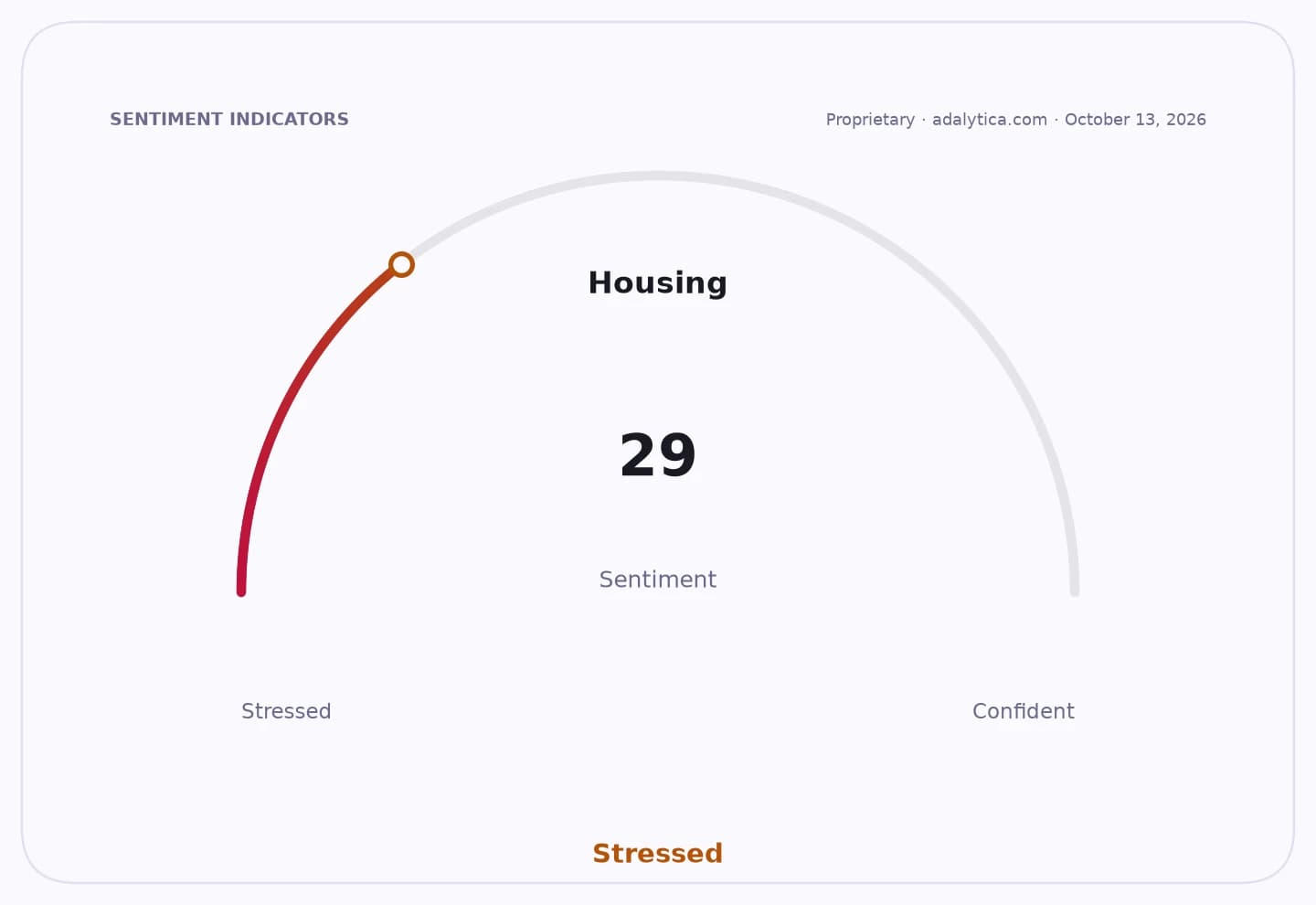
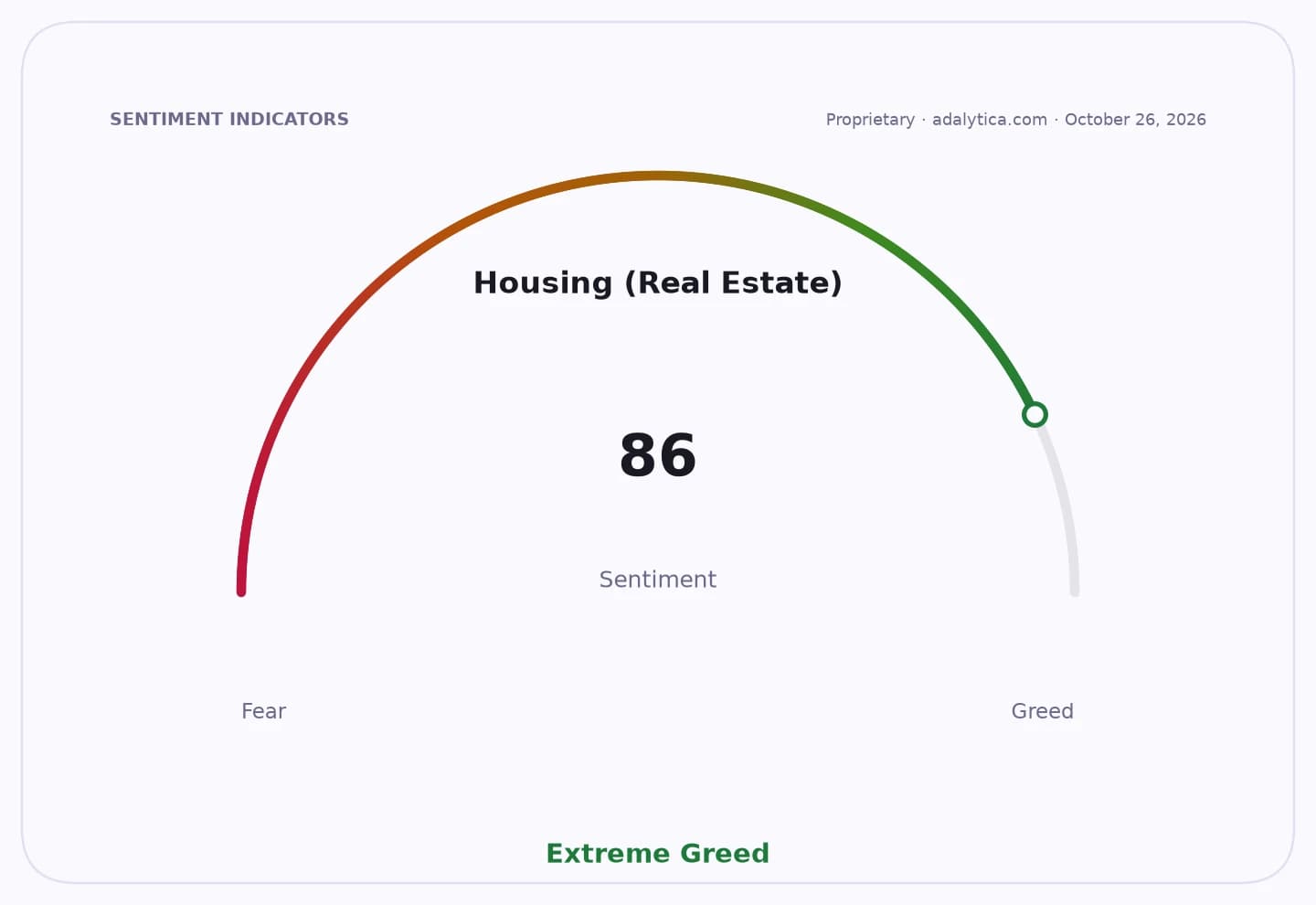
Housing (Real Estate)
The case centers on an elderly couple in Kato Toumba who face removal from what residents say is their first and only home. Members of the leftist collective Rubicon rallied outside the real estate office that bought the property, while neighbors and local groups mobilized for a fifth straight day to block the eviction. In an era of rising living costs, strained pensions and tighter housing markets, the fight has become a flashpoint for how far Greece is willing to let market forces push vulnerable residents out of their homes.
Sentiment Indicators
For investors, the bigger message is that housing affordability is no longer just a social issue — it is a policy risk. When eviction disputes turn into sustained street protests, they raise the odds of political pressure for tougher tenant protections, slower enforcement or fresh intervention in distressed housing transactions. That can matter for lenders, property owners, loan buyers and funds that specialize in acquiring troubled assets, because the economics of those deals depend on enforceable collection and repossession rights.
The reaction in Thessaloniki also shows how housing stress can amplify broader dissatisfaction with inflation and stagnant incomes. The activists explicitly tied the case to pensions, energy costs and the cost of living, arguing that the sale was made at a bargain price and that financial institutions and funds are effectively driving the outcome. Whether or not that framing holds up legally, it is powerful politically, and politics is what ultimately shapes real estate cash flows.
Housing (Real Estate) — 30-day sentimentadalytica.com
Explore this data interactively — full history, time series and cross-market comparisons.
That makes the episode worth watching beyond Greece. Across Europe, housing shortages and affordability pressures are feeding a more confrontational debate over ownership, rent, and the treatment of vulnerable borrowers. If authorities increasingly hesitate to enforce evictions in politically sensitive cases, the long-term winners may be households facing hardship — but the losers could include lenders, distressed-asset investors and anyone counting on a clean, predictable foreclosure process.
For long-term investors, the takeaway is simple: housing remains a durable theme, but the best opportunities will be in markets and companies that can navigate regulation, social backlash and affordability pressure without depending on aggressive enforcement. In this environment, patience and diversification matter. Keep an eye on how Greece handles this case, because it may say more about the future of property rights and housing policy than one eviction ever should.
| Entity | Gains | Losses |
|---|---|---|
| Elderly homeowners | ▲Keep their home, at least temporarily | ▼Face eviction uncertainty |
| Neighborhood activists | ▲Political visibility, public support | ▼Little direct legal power |
| Real estate buyer / funds | ▲Potential asset recovery | ▼Reputational damage, enforcement risk |
| Lenders / distressed-asset investors | ▲None if eviction is delayed | ▼Slower recoveries, policy backlash |