Greece is set to grow faster than the euro area average this year, but the European Commission says momentum is fading and inflation will still run at 4.1%, keeping pressure on households, wages and the government’s policy room.
Greece Growth Slows as Inflation Stays at 4.1%

The outlook matters because it leaves Europe’s debt-laden economy expanding, but without enough cooling in prices to fully ease the squeeze on consumption. Slower growth paired with elevated inflation is the least comfortable combination for policymakers: it reduces real income gains, complicates budget planning and can keep borrowing costs sticky for longer.
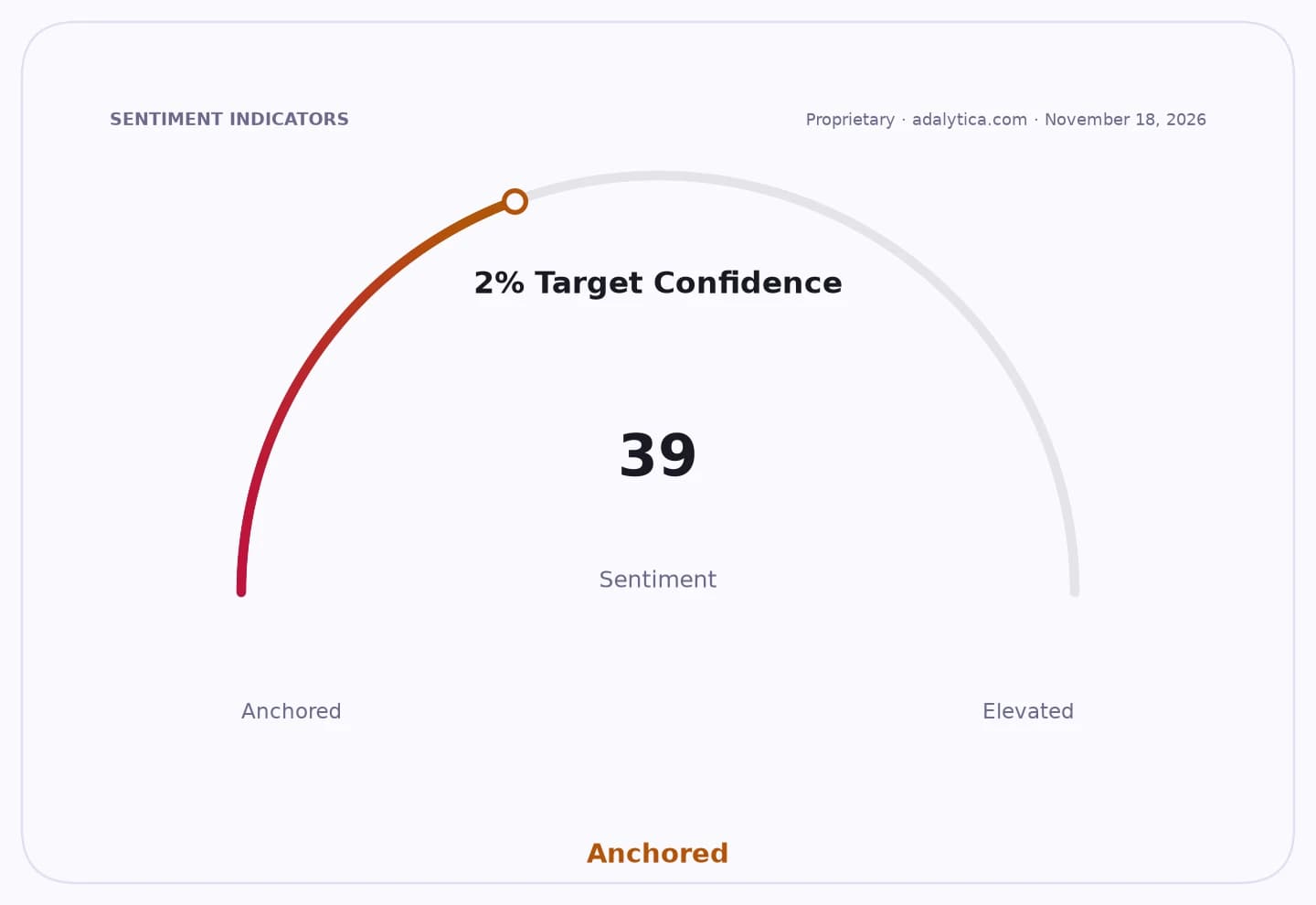
Sentiment Indicators

The Commission’s autumn forecasts point to Greek growth still above the eurozone average, but with a clear deceleration from earlier momentum. That matters for an economy that has been trying to lock in a recovery after years of crisis, while also narrowing one of the region’s biggest inflation differentials.
Investor attention is likely to stay on whether the slowdown is mild enough to preserve earnings and tax revenues, or sharp enough to dent domestic demand. Greek assets have benefited from the country’s recovery story, but persistently high inflation can weigh on consumer spending, tourism-linked pricing power and the pace at which real incomes improve.
Long-term Inflation Expectations
The broader market backdrop is also unhelpful. Eurozone inflation has remained stubbornly elevated, reinforcing the view that the European Central Bank may have limited room to ease policy quickly. Higher-for-longer borrowing costs would matter for sovereign debt markets across southern Europe, including Greece, where financing conditions remain central to the investment case.
For now, the story is not recession risk but the combination of slower expansion and inflation still above comfort levels. That leaves Greece with growth, but not enough price relief to make the recovery feel decisive for households or investors.
| Entity | Gains | Losses |
|---|---|---|
| Greek government | ▲Higher-than-eurozone growth | ▼Softer momentum, tighter policy room |
| Households | ▲Some economic expansion | ▼4.1% living-cost pressure |
| Greek assets | ▲Relative growth premium | ▼Higher-for-longer rate risk |
| ECB | ▲Inflation vigilance | ▼Less scope for near-term easing |