Serbia’s central bank has pushed up its 2027 inflation forecast to 4.9% from 4.3%, a sign that price pressures may stay above target longer than officials had expected and could keep borrowing costs elevated for households, companies and the government.
Serbia Central Bank Raises 2027 Inflation Forecast
2% Target Confidence
The National Bank of Serbia now expects inflation to spend much of next year above the upper end of its tolerance band before returning to target only at the end of 2027. For this year, it still sees average inflation at 3.2%, but the revised outlook shows the disinflation process is proving stickier than hoped.
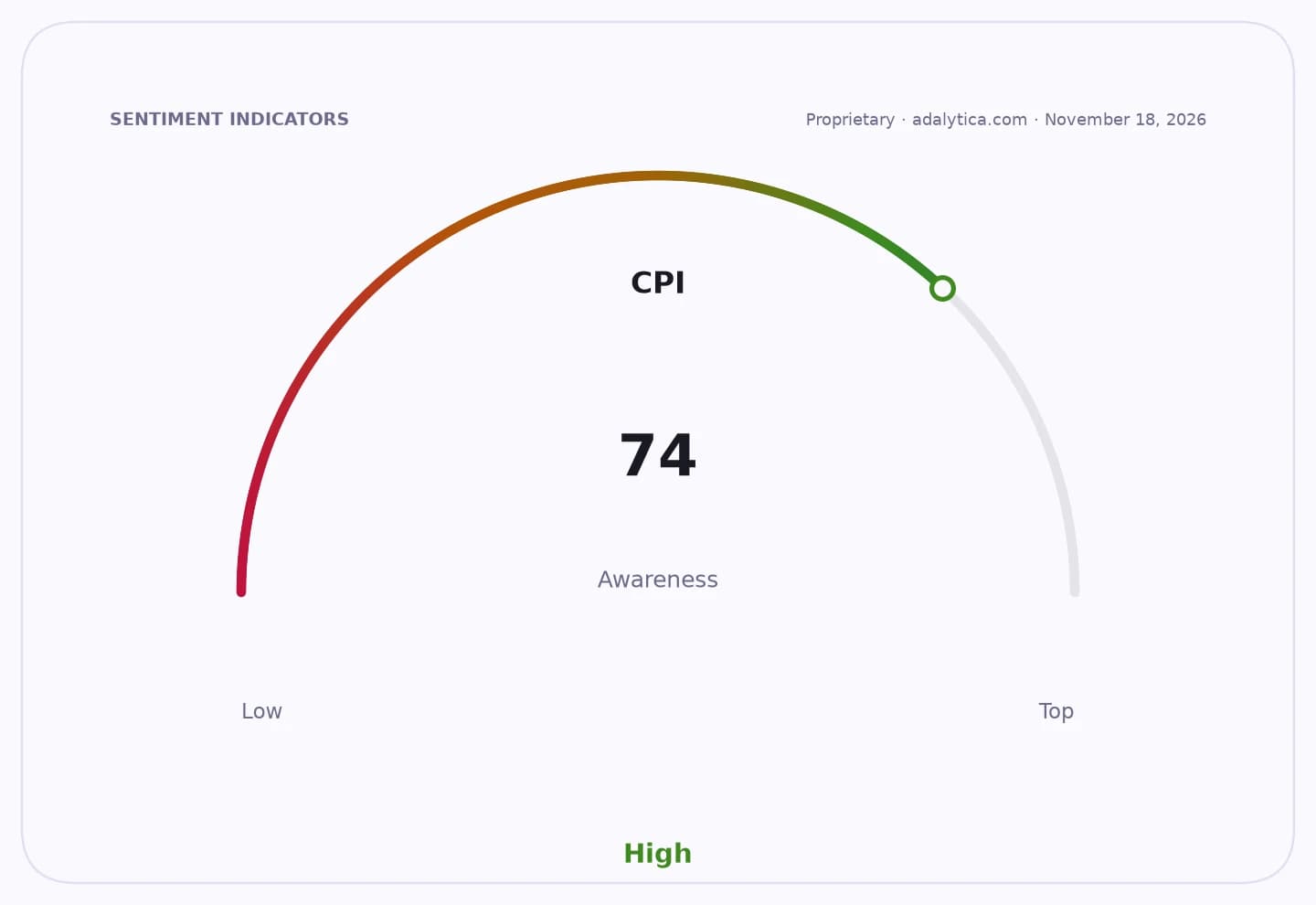
Sentiment Indicators
That matters because persistent inflation changes the math for the entire economy. If prices stay firm for longer, the NBS has less room to ease policy aggressively, even if growth is improving. The central bank also lifted its 2026 growth forecast to 3.5% from 3.2%, suggesting domestic demand is holding up, but that resilience comes with a cost: stronger consumption and faster real wage growth can feed price pressures.
The NBS said the upgrade reflects prolonged increases in global energy and other commodity prices, higher import inflation and faster growth in real wages and domestic demand than previously assumed. In plain terms, Serbia is facing a mix of external and homegrown inflationary pressure, and the second piece is often the harder one for policymakers to extinguish.
For investors, that is a reminder that inflation is not just a macro headline — it affects valuations, bond yields, currency expectations and the cost of capital. A central bank that sees inflation staying above target for longer is less likely to cut rates quickly, which can be a headwind for rate-sensitive assets but a support for the dinar and for companies with pricing power.
The broader narrative is one of a still-resilient economy running a little too hot for comfort. Serbia’s growth outlook is improving, but so is the risk that stronger wages and demand keep inflation sticky into 2027. That combination usually favors disciplined balance sheets, exporters with natural hedges and businesses that can pass through higher costs without losing customers.
For long-term investors, the key takeaway is simple: a hotter inflation path may delay easier monetary conditions, but it also underscores the value of owning resilient businesses rather than trying to time every move in rates. This is worth watching closely, especially if the NBS is forced to keep policy tighter for longer.
| Entity | Gains | Losses |
|---|---|---|
| NBS / inflation hawks | ▲credibility on price stability | ▼room to cut rates quickly |
| Savers / local-currency assets | ▲higher real-rate support | ▼lower purchasing power if inflation sticks |
| Borrowers / rate-sensitive firms | ▲stronger growth backdrop | ▼higher financing costs |
| Companies with pricing power | ▲ability to pass through costs | ▼input-heavy businesses |