Greece’s income tax take has climbed to a record 5.1 billion euros this year, underscoring how rising wages, pension increases and tougher tax enforcement are pulling more households into higher tax brackets.
Greece income tax receipts hit record 5.1 billion euros
That matters because it shows the Greek state is collecting more without needing a broad new tax package: nominal income growth and tighter compliance are doing much of the work. For investors, that is a sign of a healthier fiscal backdrop, but also a reminder that inflation, wage gains and policy changes can quietly squeeze disposable income even when employment is holding up.
Sentiment Indicators
The latest figures from the Independent Authority for Public Revenue, or AADE, show the total income tax bill has already risen by about 53.4 million euros from last year’s 5.069 billion euros, with the final tally likely to edge higher once late filings are processed. By Oct. 5, 6.83 million returns had been filed, about 100,000 more than by the end of the regular July deadline.
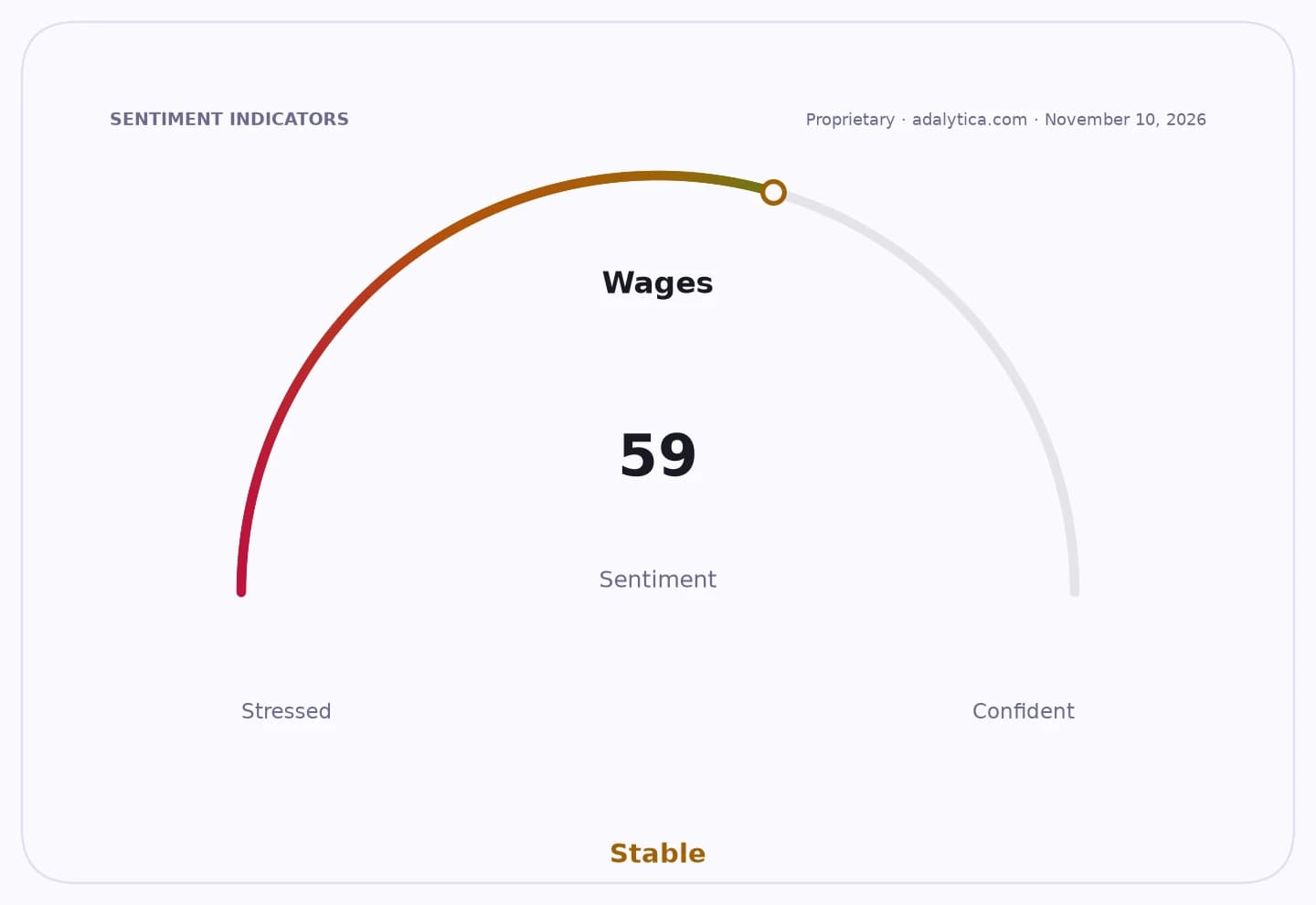
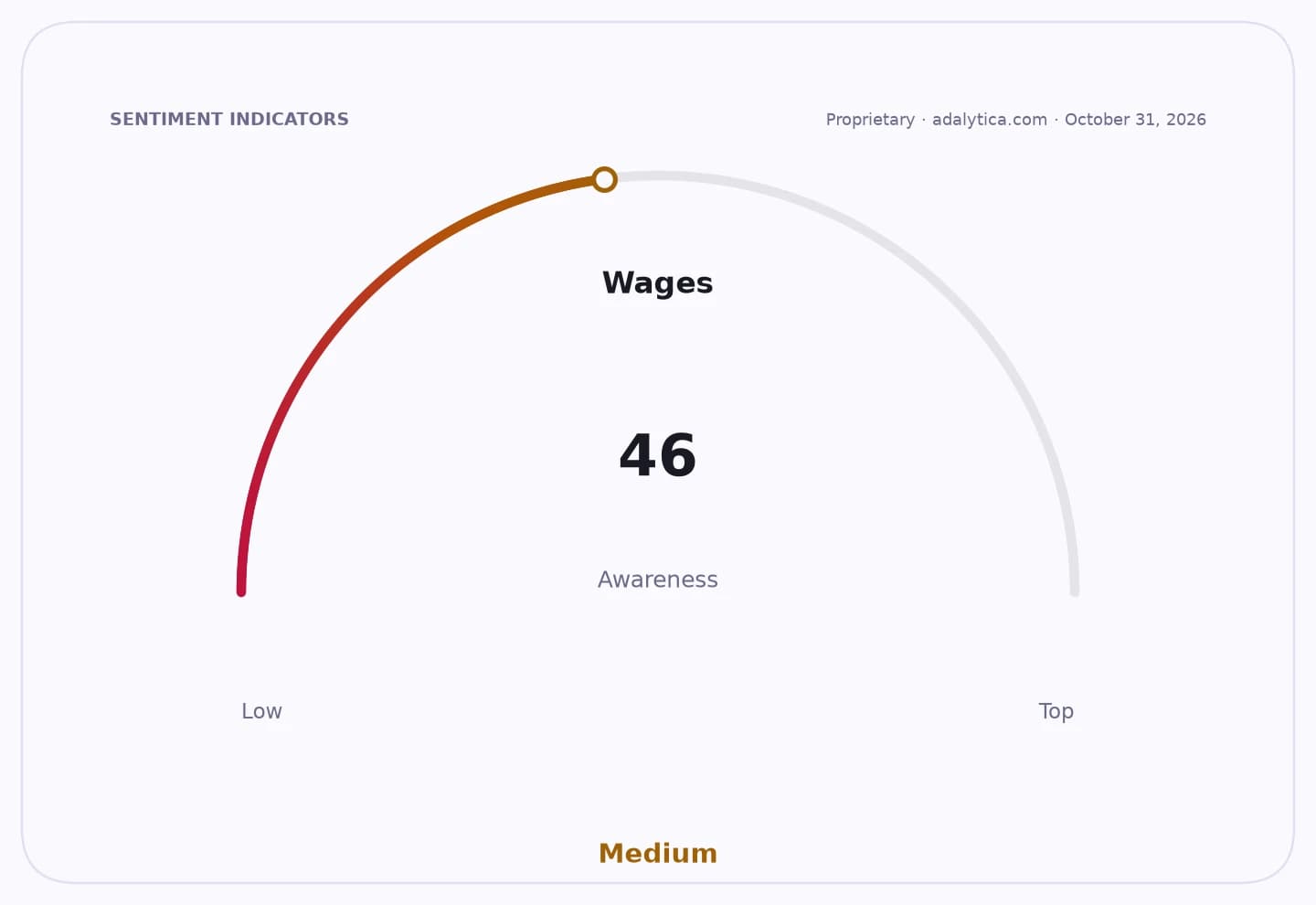
The trend has been relentless. Income tax assessments rose from 3.207 billion euros in 2022 to 3.79 billion euros in 2023, then to 4.814 billion euros in 2024 and 5.069 billion euros in 2025, before this year’s new high. The main driver is simple: nominal incomes are moving up. Minimum wage hikes, seniority pay increases and higher average salaries have pushed many workers into steeper tax brackets, lifting the bill at settlement time.
Freelancers are feeling the pressure even more. Under Greece’s deemed-income system, around 400,000 professionals now face a minimum imputed income that has risen about 6% to 12,320 euros for the 2025 tax year, from 11,620 euros. For those taxed under that framework, the final income tax can be as much as 33.8% higher than a year earlier. That is a meaningful hit to cash flow in a country where small businesses and self-employed workers still make up a large part of the economy.
The other big change is enforcement. AADE is widening electronic cross-checks and prefilled returns, shrinking the gap between what taxpayers report and what the tax authority already knows. Late filers who owe more than 100 euros face automatic fines, and the process has already been rolled out for legal entities before extending to individuals. That means Greece is not just raising more revenue because the economy is growing; it is also collecting more efficiently.
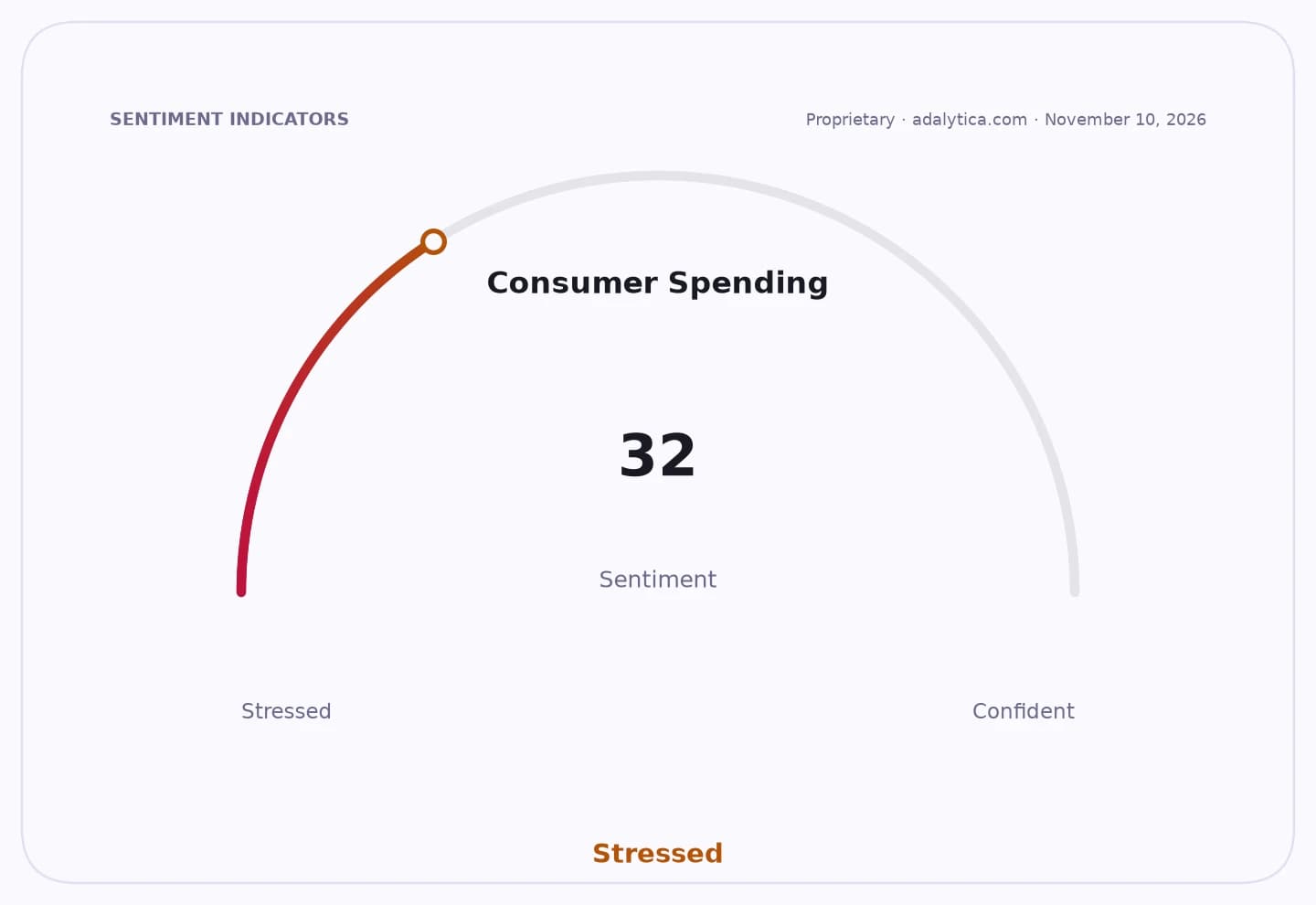
For investors, the headline is favorable for sovereign finances. Higher and steadier tax receipts support budget execution, reduce reliance on borrowing and strengthen Greece’s case as a more disciplined euro zone credit story. But the distributional effect matters too. More tax collected from wages and self-employed income can leave households with less room to spend, especially if inflation-adjusted purchasing power is not keeping pace.
Over the long term, that tension will define the story. Greece’s fiscal gains look durable if wage growth and digital tax enforcement continue, but the government will need to balance revenue gains against the risk of overburdening small entrepreneurs and wage earners. For now, the record tax take is good news for the state and bondholders, but a reminder to investors that higher nominal incomes do not always mean stronger real spending power. Worth watching.
| Entity | Gains | Losses |
|---|---|---|
| Greek government | ▲Higher revenue | ▼Political pressure |
| Bondholders | ▲Stronger fiscal profile | ▼Limited downside |
| Wage earners | ▲Higher nominal pay | ▼Higher tax brackets |
| Freelancers | ▲Better compliance clarity | ▼Bigger imputed tax bill |