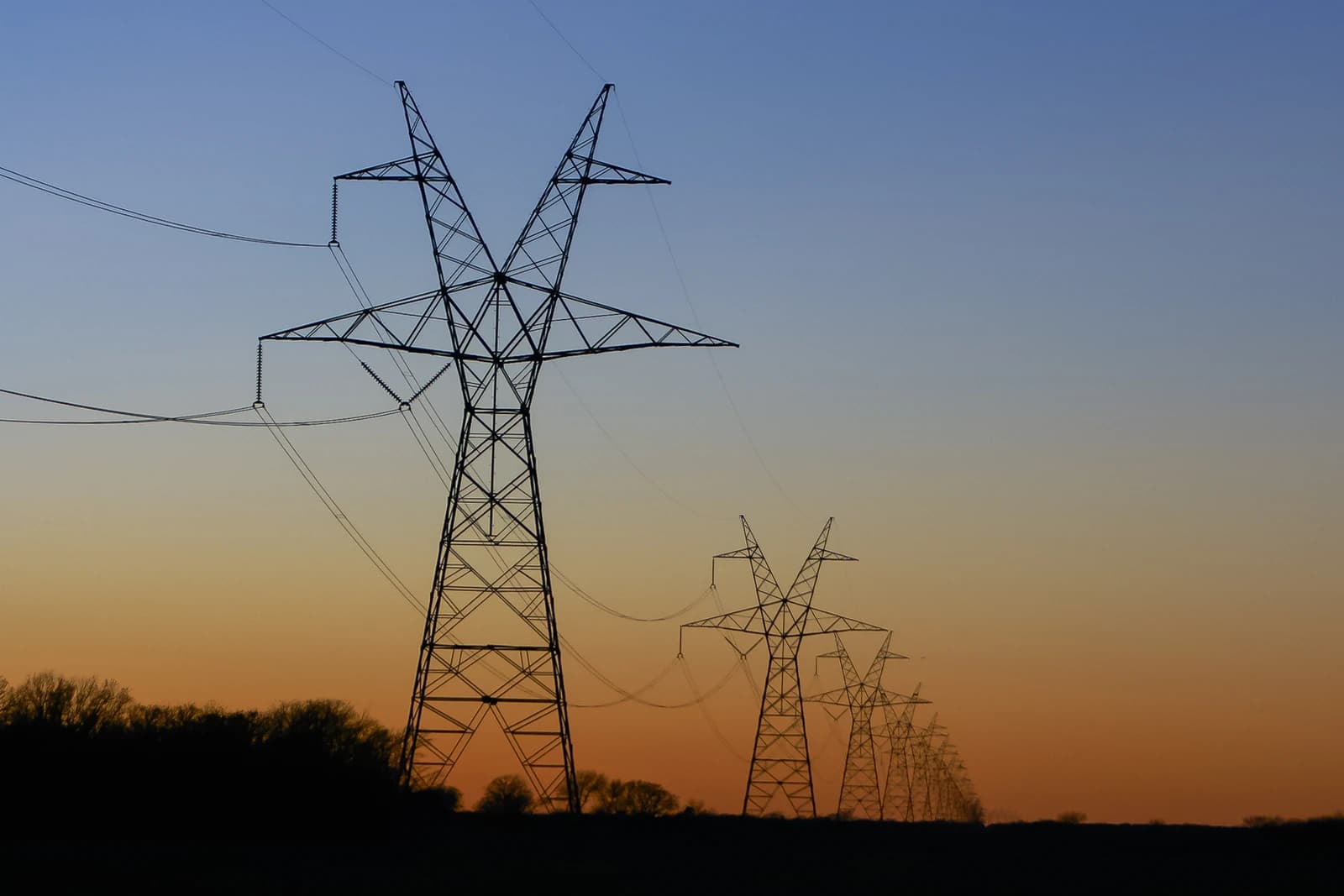
Greece is putting fresh money behind its long-promised infrastructure push, with about 3.4 billion euros earmarked through 2030 for public investment in transport and related works — a bet that better roads, airports and resilient networks can keep growth above the euro-area average and make the country more competitive for years to come.
Greece Allocates 3.4 Billion Euros for Infrastructure
For investors, the spending plan matters because infrastructure is not just a political talking point in Greece — it is one of the clearest ways the economy can turn recovery into something more durable. The government is trying to close a long-standing investment gap, and it is doing so with a mix of national funds, European support, public-private partnerships and private donations. That matters for construction firms, materials suppliers, transport operators and anyone betting on a broader revival in domestic demand.
Sentiment Indicators
Infrastructure has become a central theme in Greece’s post-crisis story because the payoff is larger than the headline budget number. Upgrades to highways, airports and quake- and storm-damaged assets can improve productivity, lower logistics costs and make tourism and trade more efficient. In a country that still relies heavily on imported energy and external demand, better transport links also help connect regional economies and support long-term job creation.
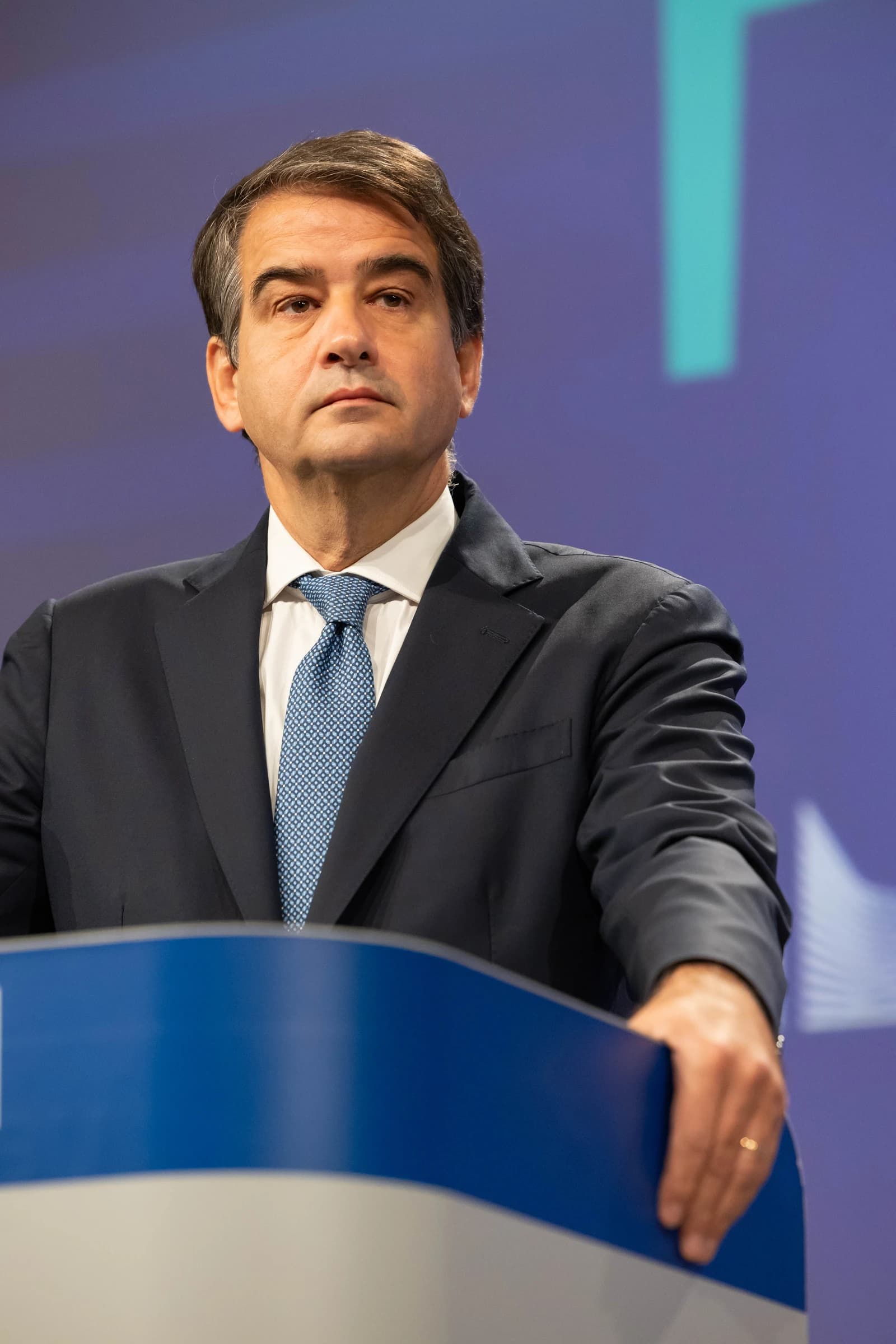
The program is already being stitched together through specific projects. Minister Christos Dimas pointed to work financed by the Recovery and Resilience Facility, including the Central Greece motorway E65 and part of the northern Crete highway, along with road-safety upgrades on the existing Crete corridor and airport improvements. Greece is also using public-private partnerships for projects such as the Thessaloniki elevated expressway and the Kalamata-Rizomylos-Pylos-Methoni road, plus 17 new schools in Central Macedonia.
That is the kind of spending that can ripple through the economy. Contractors and suppliers get a steadier pipeline of work, while transport users ultimately benefit from lower frictions and improved reliability. The reconstruction of infrastructure damaged by storms Daniel and Elias, with a total budget of about 1.3 billion euros, also shows how climate resilience is becoming inseparable from growth policy in southern Europe.
There is a market angle here too. Listed industrials and transport names tend to benefit when governments commit to multi-year capital programs instead of one-off stimulus bursts. In the U.S., investors often watch companies such as Caterpillar, Deere and Union Pacific for similar reasons: capital spending on roads, freight and industrial equipment can support demand well beyond a single quarter. In Greece, the same logic applies to the broader ecosystem around construction, logistics and public works.
The bigger narrative is that Greece is trying to convert financing into execution. Dimas said the real value of infrastructure investment is not the amount allocated, but the connectivity, resilience and long-term economic value it creates. That is the right framing for investors, because the winners over the next three to 10 years will be the companies and sectors tied to projects that actually get built — and the losers will be those left outside the modernization cycle. Worth watching, especially if Greece keeps turning EU money and private capital into concrete assets instead of delayed plans.
| Entity | Gains | Losses |
|---|---|---|
| Greek economy | ▲Higher productivity | ▼Old infrastructure drag |
| Construction firms and suppliers | ▲Steady project pipeline | ▼Weak public works delays |
| Travelers, shippers and regions | ▲Faster, safer links | ▼Congestion and disruption |
| Taxpayers and investors in growth | ▲Long-term asset creation | ▼Cost overruns, execution risk |