American support for Greece’s Vertical Corridor is reinforcing Athens’ bid to become a key entry point for U.S. gas into Europe, a move that has both strategic and commercial consequences for the continent’s energy market.
Greece Vertical Corridor backs U.S. LNG route to Europe
US Dollar
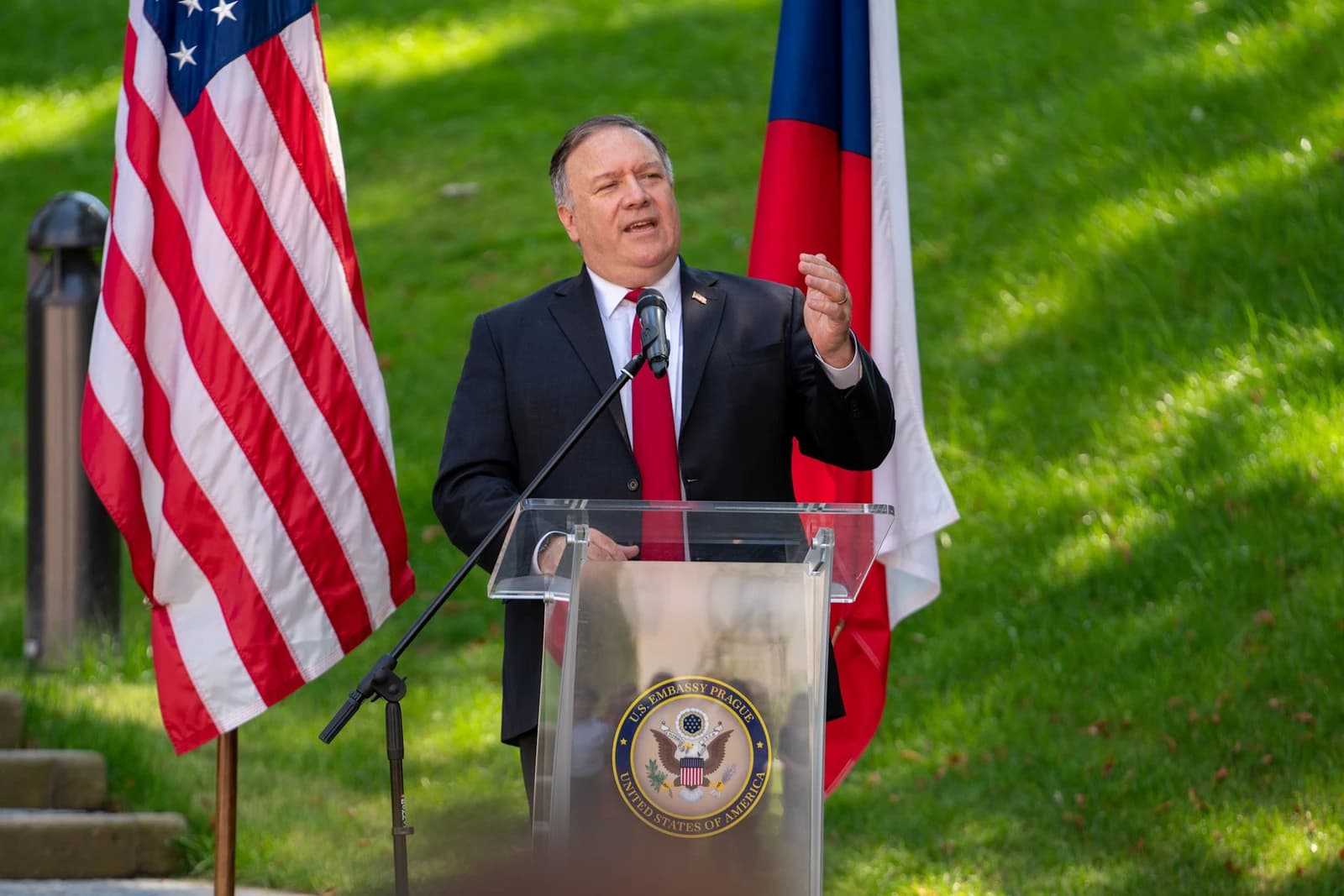
The message from the transatlantic energy summit in Warsaw was that the U.S. sees the route through Greece, together with Poland and the Baltics, as one of the main channels for American LNG into Europe. That matters because it is not just a diplomatic endorsement: it strengthens the economics of a north-south gas network designed to cut dependence on Russian supply and redirect future import flows away from older westbound hubs.
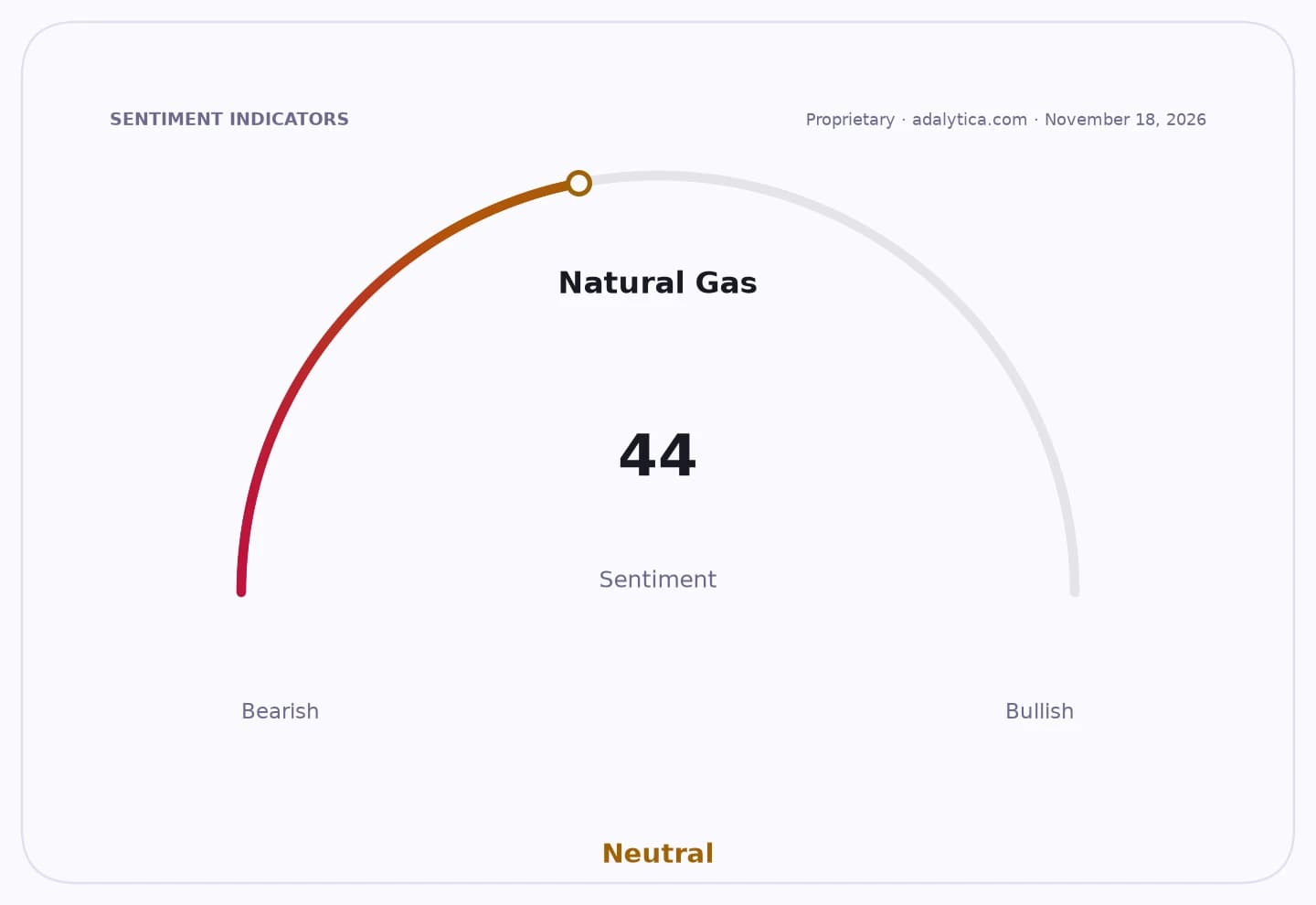
Sentiment Indicators
Greek Energy Minister Stavros Papastavrou said nine countries and 11 system operators have already worked to make the Vertical Corridor a fully functioning south-to-north gas axis. The next hurdle, he said, is securing enough capacity, competitive tariffs and long-term commercial commitments. That is the part investors will watch most closely. A corridor without contracted volumes and pricing power risks becoming a political concept rather than a revenue-generating infrastructure asset.
For Europe, the project fits a wider effort to harden energy security after the shock of the Russia-Ukraine war. For the U.S., it extends the commercial reach of its LNG exporters and the infrastructure companies that move, store and regasify gas. For Greece, it elevates the country from a regional transit state to a strategic gateway, with potential spillovers for ports, pipelines, utilities and grid-linked projects tied to the same east Mediterranean energy corridor.
The economic logic is straightforward. If more LNG enters Europe through southern and eastern gateways, then gas flows become more diversified and potentially less vulnerable to chokepoints and political pressure. That can improve supply resilience, reduce volatility in regional gas pricing and support investment in downstream infrastructure. It also helps Europe preserve optionality as it balances decarbonization with the need for reliable backup fuel.
Market implications are less immediate but still relevant. Energy infrastructure tied to cross-border gas flows could draw more policy support and financing, while LNG-linked logistics and midstream names may benefit from a longer runway for capacity expansion. The bullish case is that the corridor becomes a durable commercial artery backed by U.S. policy and European demand. The bear case is that permitting delays, tariff disputes or weak long-term contracting leave the route underutilized even if the political backing remains strong.
The broader backdrop is that energy security has become a pillar of industrial policy rather than a narrow utility issue. As Washington leans into LNG exports and Europe keeps rebuilding its gas map, Greece is being recast as a southern anchor in that redesign. The key question now is whether the Vertical Corridor can convert diplomatic momentum into binding throughput, because that is what will determine whether the project becomes a strategic headline or a profitable asset.
| Entity | Gains | Losses |
|---|---|---|
| Greece | ▲Strategic gateway status | ▼Transit-only role less relevant |
| U.S. LNG exporters | ▲More European access | ▼Dependence on older hubs |
| Europe’s gas consumers | ▲Better supply diversification | ▼Exposure to Russian supply |
| Competing transit routes | ▲Less strategic weight | ▼Lower relevance in gas flows |