Greece will not accept outside pressure on how it strengthens its military, Prime Minister Kyriakos Mitsotakis said after meeting European Council President Antonio Costa, sharpening a dispute that now sits at the intersection of EU defense policy, Turkey’s accession ambitions and Eastern Mediterranean security.
Greece Resists Pressure on Turkey Defense Access
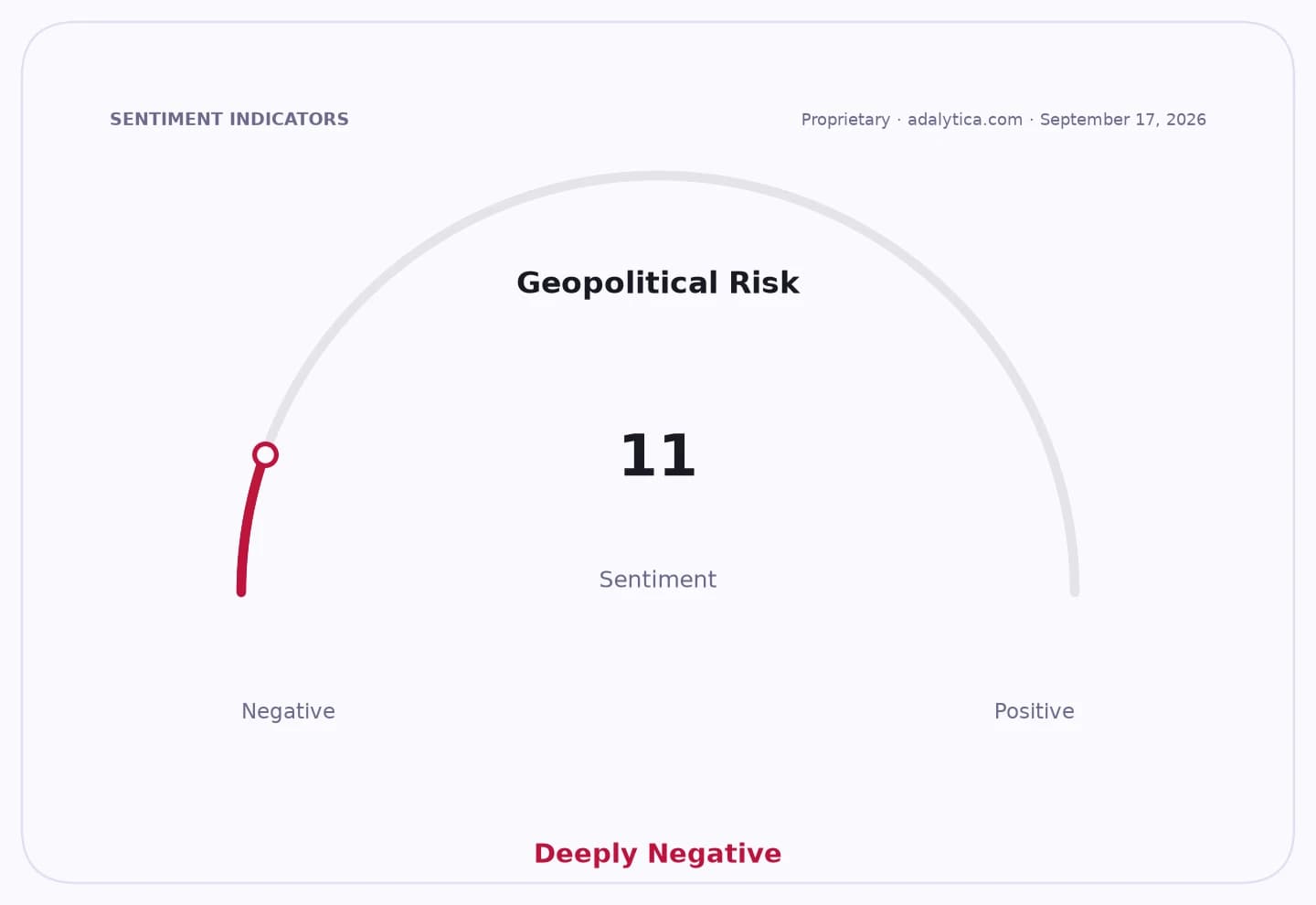
The message matters because Athens is trying to lock in a larger role in Europe’s rearmament push while resisting any move that could soften the conditions on Turkey’s access to EU defense funding or political engagement. Mitsotakis said Greece supports Turkey’s European path, but only if it is paired with good-neighborly conduct and respect for international law, adding that there is an “active threat of war” and a challenge to Greek sovereignty from a country seeking closer ties with the bloc.
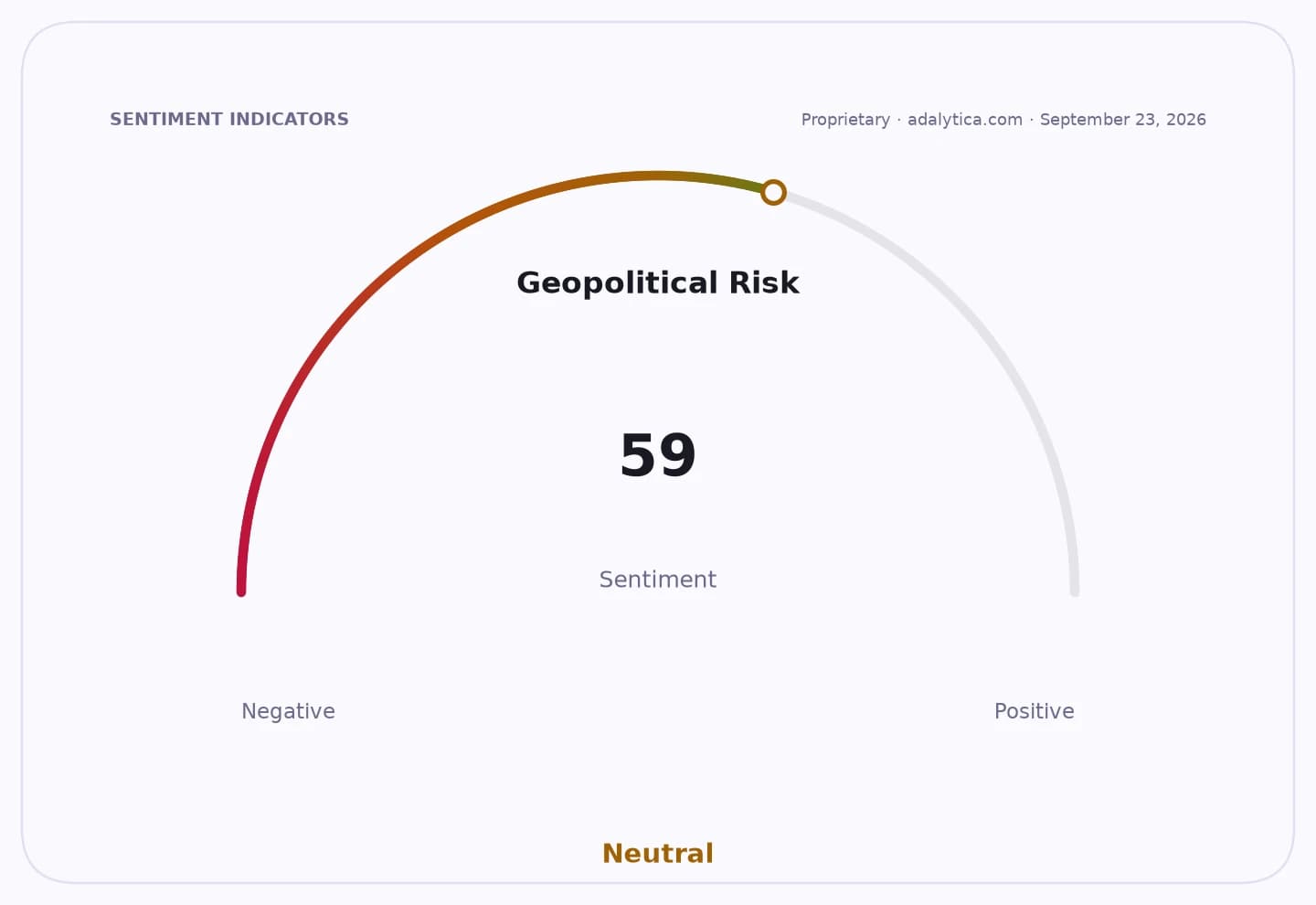
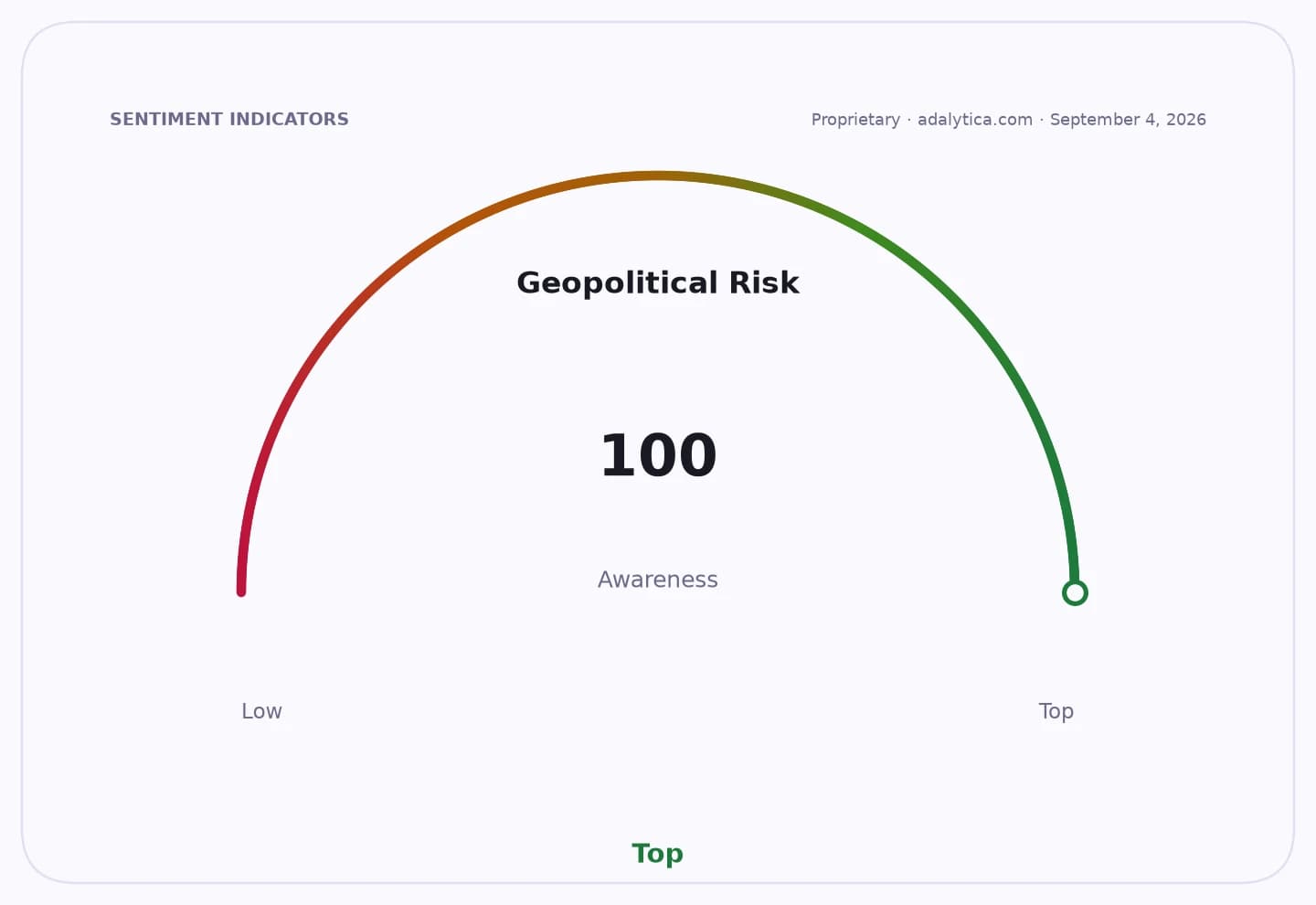
Sentiment IndicatorsⓘProprietary · adalytica.com · September 4, 2026
This is a snapshot — live sentiment, awareness and momentum for 130+ markets update continuously in the dashboard.Open AlphaPulse
That warning lands as the EU’s SAFE defense program becomes more important for European rearmament. Mitsotakis reminded Costa that participation requires the security interests of member states not be harmed, a formulation aimed squarely at Turkey and any arrangement that could indirectly strengthen a regional rival. For Athens, the issue is not symbolic: the SAFE framework could shape procurement priorities, cross-border defense partnerships and the distribution of future European security spending.
The backdrop is an escalatory cycle in the Aegean, where Greek officials say Turkish provocations have recently intensified. By raising the issue directly with the European Council president, Mitsotakis is seeking to multilateralize what is often treated as a bilateral dispute, effectively pressing Brussels to recognize that the Turkey file is also a European security question. That helps Greece politically, because it turns restraint toward Ankara into a condition for EU benefits rather than a purely national grievance.
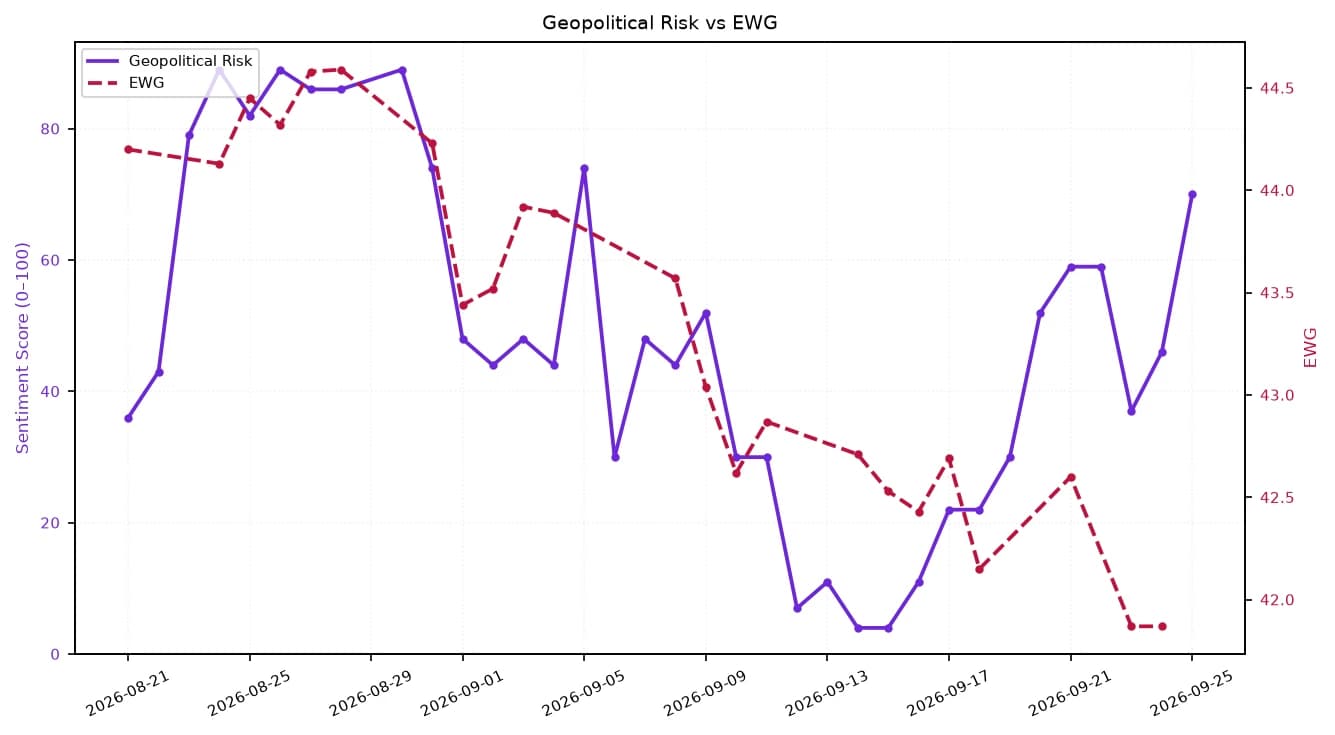
Geopolitical Risk vs GREKadalytica.com
Explore this data interactively — full history, time series and cross-market comparisons.Open AlphaPulse
Investor relevance is indirect but real. Europe’s defense buildout continues to favor suppliers tied to air defense, missiles, surveillance and integrated systems, and tensions in the eastern flank tend to support that theme. The Greece-Israel €3 billion “Achilles Shield” agreement to build a layered air-defense system reinforces that direction and points to sustained procurement demand across the region. For defense contractors, the broader message is that geopolitical friction in the Mediterranean is translating into budgeted spending rather than one-off headlines.
The market backdrop remains cautious. Adalytica’s global stability gauge is neutral overall, but awareness is at an extreme level, while U.S. equity risk appetite is depressed, underscoring how sensitive investors remain to geopolitical shocks and defense-led spending cycles. In that environment, any hardening of the Greece-Turkey line is less likely to move broad markets than to reinforce demand for firms exposed to missile defense, radar, command-and-control and allied interoperability.
The next catalyst is whether Athens can shape the debate in Brussels around SAFE and Turkey without triggering a wider diplomatic split inside the EU. For Greece, the goal is to preserve leverage over Ankara while benefiting from Europe’s security reset; for investors, the key question is whether regional tension keeps converting into procurement demand rather than simply raising political risk.
| Entity | Gains | Losses |
|---|---|---|
| Greece | ▲Leverage in EU defense talks | ▼Pressure to compromise on Turkey |
| Turkey | ▲Access to EU engagement debate | ▼Scrutiny over Aegean conduct |
| EU defense contractors | ▲More procurement demand | ▼Policy uncertainty on SAFE rules |
| Greek taxpayers | ▲Stronger security posture | ▼Higher defense spending burden |