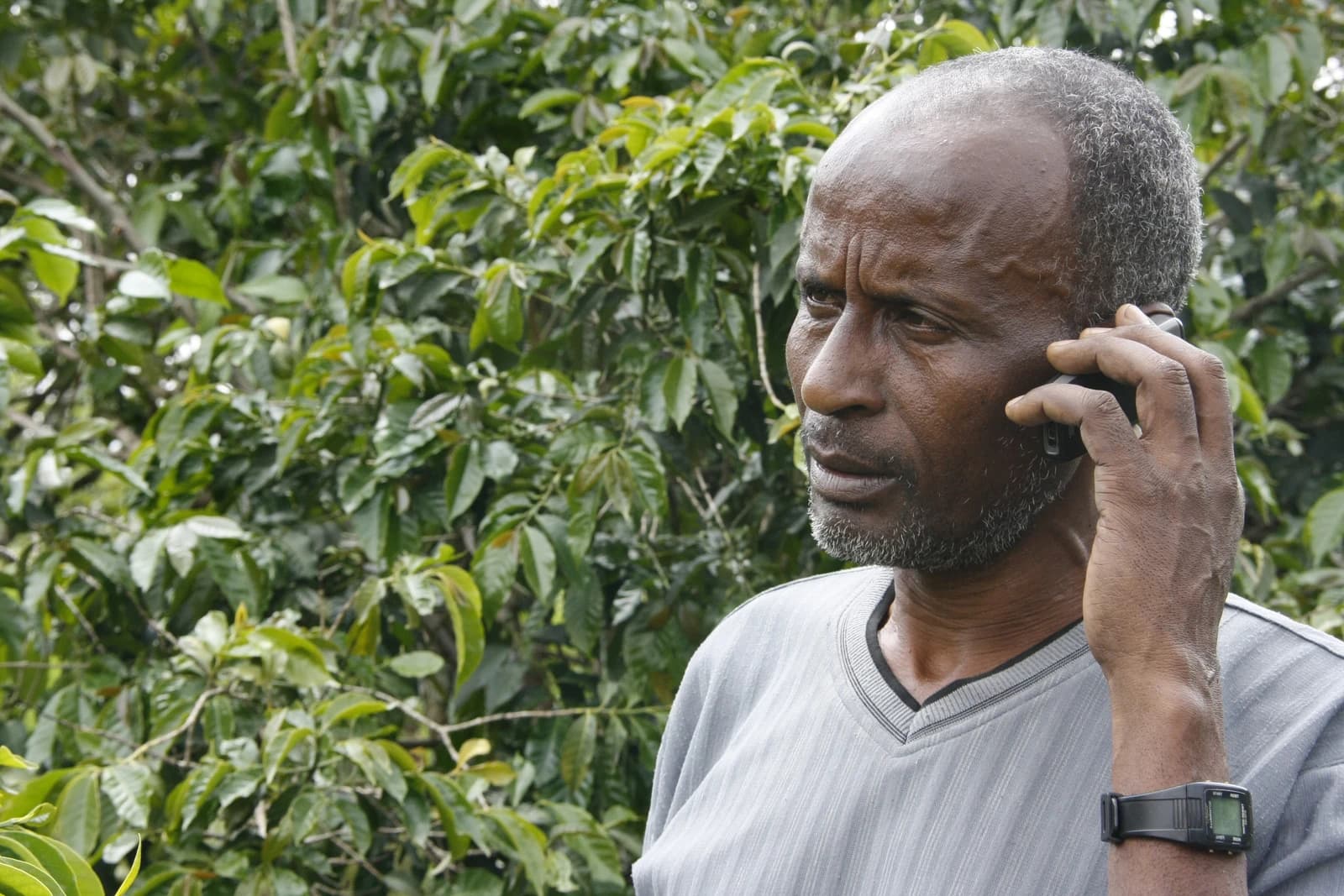
Guatemala’s coffee industry is being squeezed by a market that still treats arabica as a cheap global staple, even as the country’s growers absorb the real cost of volatile prices, land concentration and precarious labor.
Guatemala coffee growers face lower arabica prices
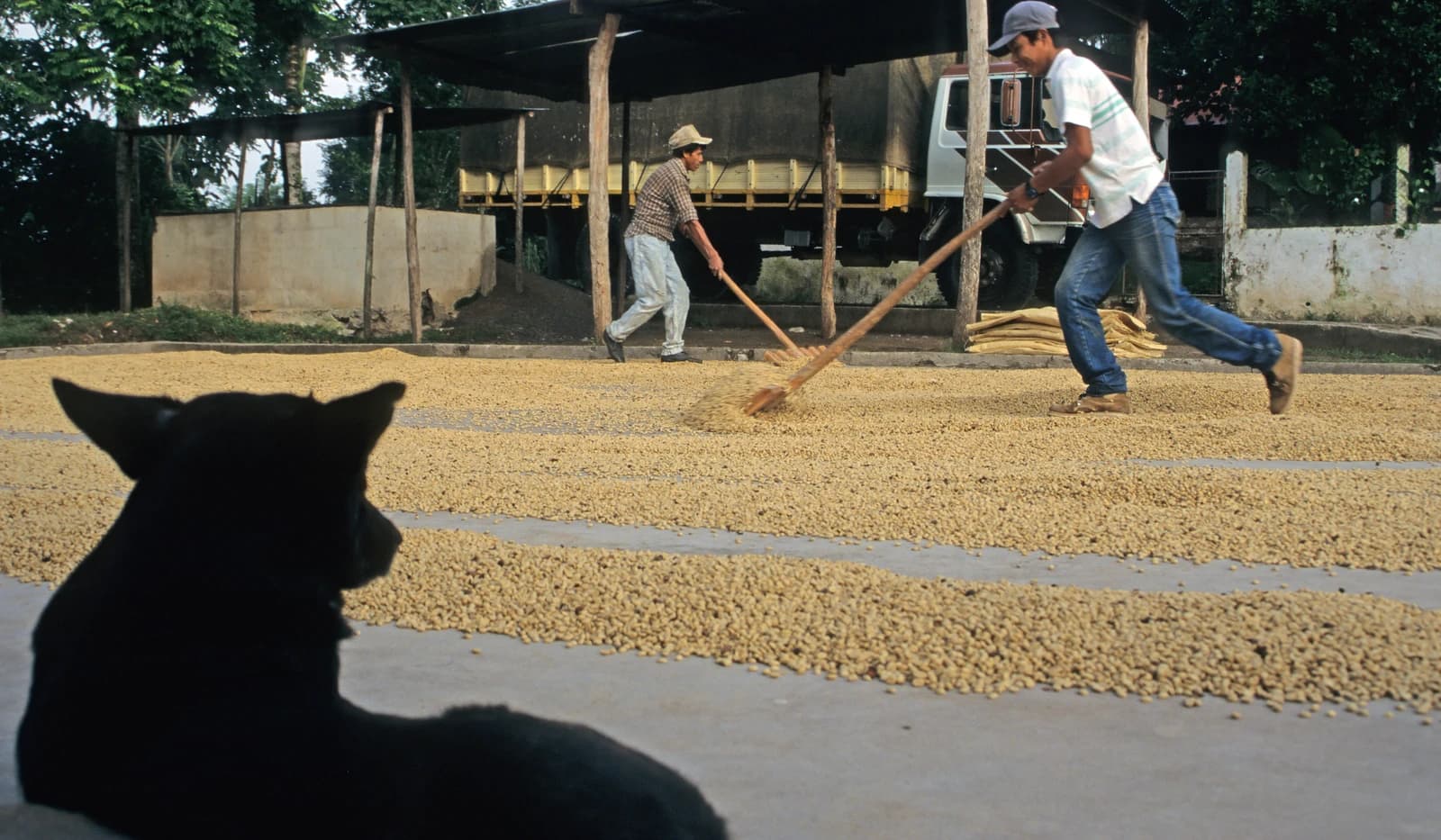
That matters because Guatemala is one of the world’s top coffee exporters, and coffee remains one of its most important agricultural shipments. When prices weaken, the pain does not stop at the farm gate. It ripples through plantation wages, rural migration, export earnings and the stability of an industry built over more than a century on land expropriation and low-cost labor.
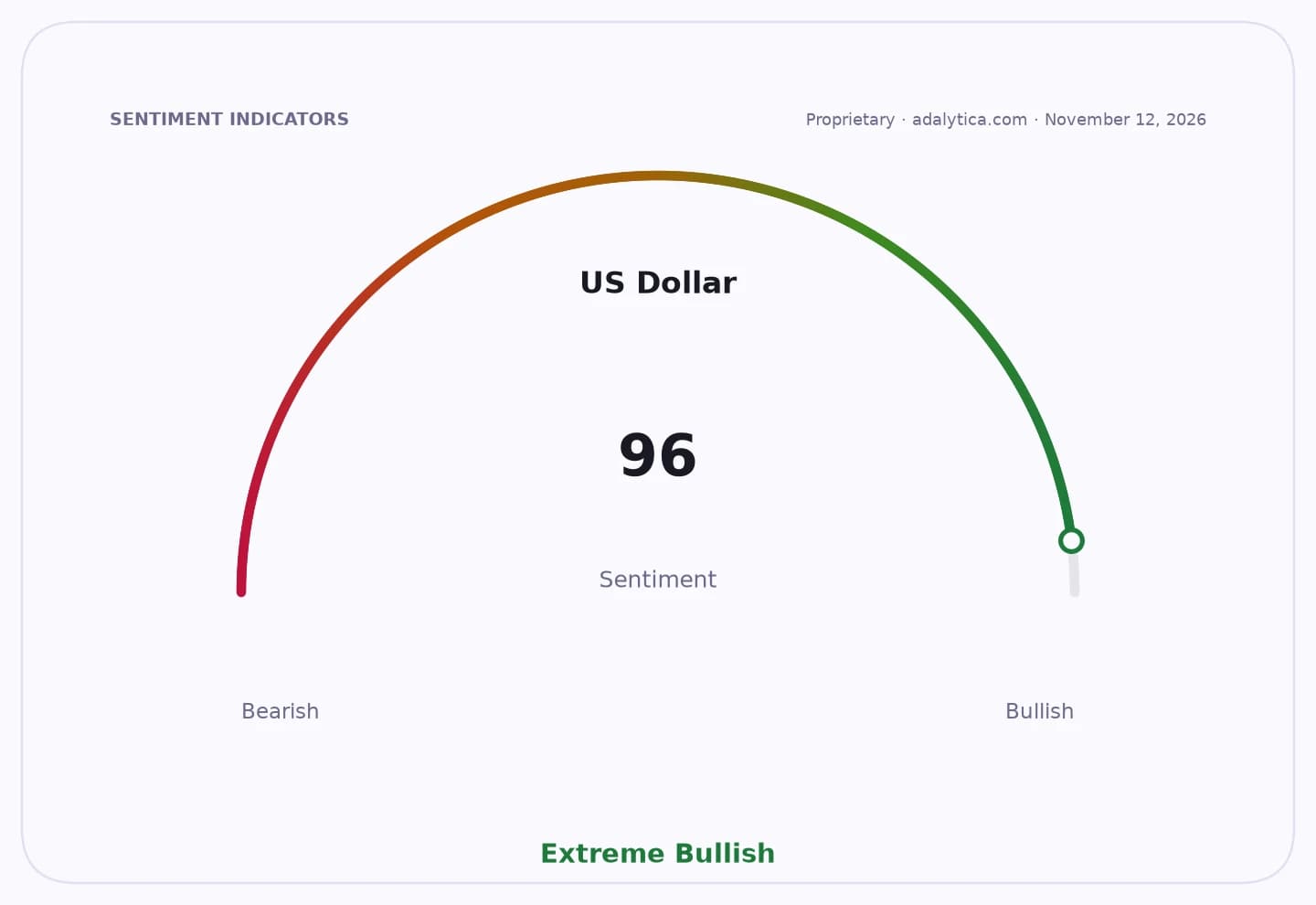
Sentiment Indicators
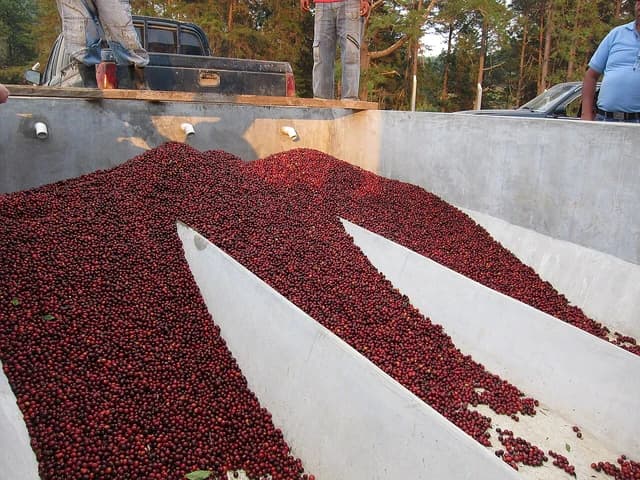
The story of Guatemalan coffee is also the story of how the country’s export model was created. After the 1871 Liberal Revolution, land was stripped from Indigenous communities and the church to build large coffee estates. Those fincas depended first on forced labor, then on debt and seasonal migration. That legacy still shapes the sector today. Workers continue to move seasonally across Guatemala and into Honduras and Mexico to harvest coffee under precarious conditions, because rural livelihoods remain too thin to support a more resilient farm economy.
The economic problem is not just historical. Coffee prices have been volatile and recently moved lower, with arabica falling to a seven-week low as Brazilian supply improved. That is a direct hit to producers in Guatemala, where many growers depend on export pricing but lack the scale to hedge like major global merchants. Even after earlier spikes, the market has cooled, and the latest downtrend reinforces how little pricing power farmers actually have.

For investors, the more important point is that cheap coffee is not truly cheap. It shifts cost and risk down the chain. Buyers, roasters and café operators benefit from softer green coffee prices, but the sector’s long-term supply base becomes more fragile if smallholders cannot earn enough to reinvest in fields, labor and climate resilience. Starbucks has already flagged green coffee as a primary market risk and said high-quality arabica availability and pricing can affect financial results. That warning is not theoretical when supply chains depend on countries like Guatemala, where labor and land constraints are structural.
The investment takeaway is straightforward: the market underestimates the hidden costs embedded in coffee supply. Softer futures may look benign for branded coffee companies in the near term, but the real opportunity sits in the businesses that help stabilize sourcing, improve traceability and capture value closer to the farm. If Guatemala’s coffee model is to survive the next cycle, the winners will be those able to pay for quality, resilience and labor integrity — not just those chasing the lowest bean price.
| Entity | Gains | Losses |
|---|---|---|
| Coffee roasters | ▲Lower input costs | ▼Supply-chain fragility |
| Guatemalan growers | ▲Stronger pricing only in tight markets | ▼Margin pressure from weak prices |
| Starbucks and peers | ▲Short-term cost relief | ▼Higher sourcing risk |
| Rural workers | ▲More attention to labor conditions | ▼Persistent low wages and migration |