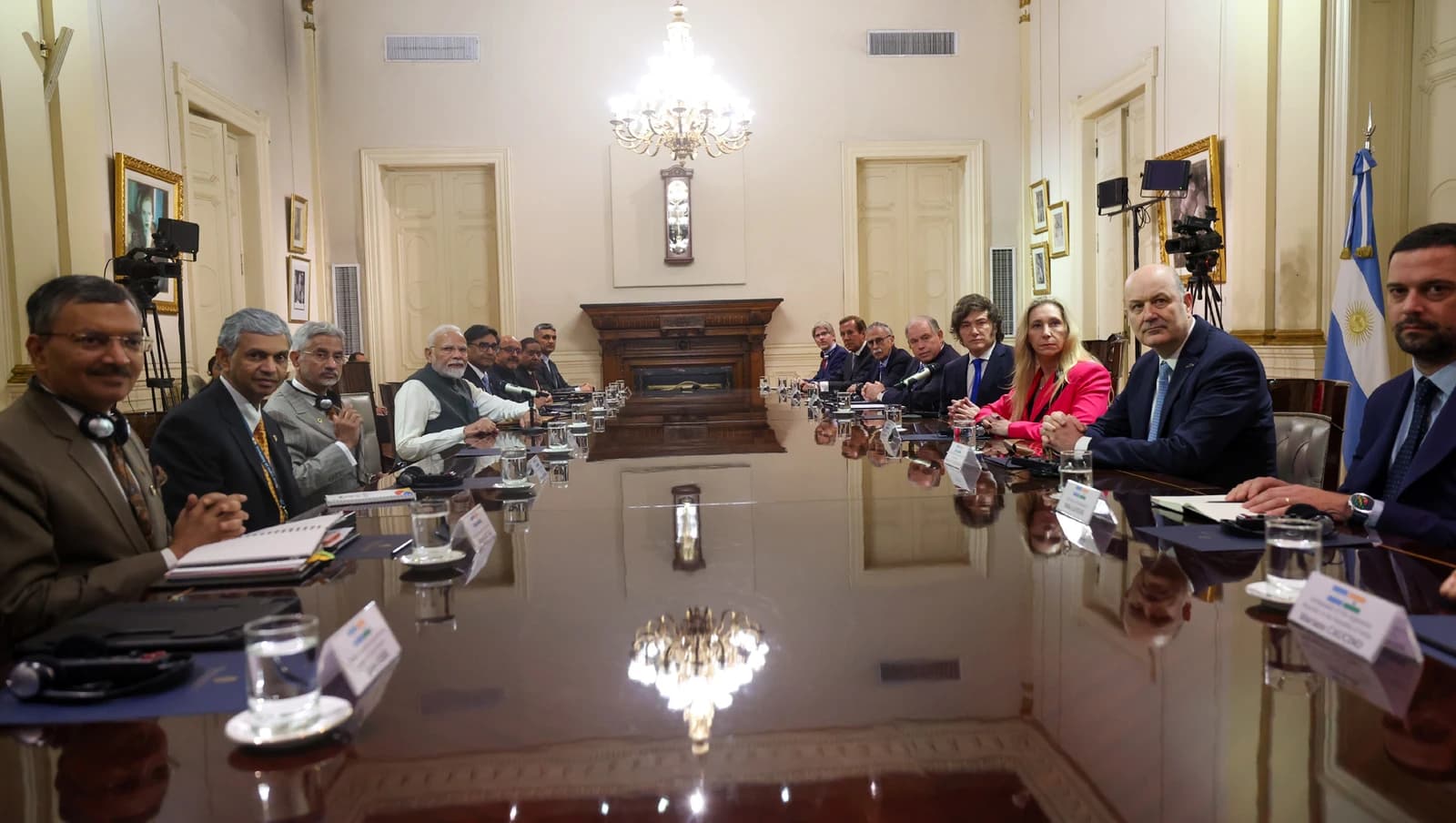
Guatemala’s 2027 minimum wage will be set by the president after employers, workers and the government failed to agree on an increase, pushing one of the country’s most consequential labor decisions into the executive branch.
Guatemala minimum wage 2027 decision goes to president
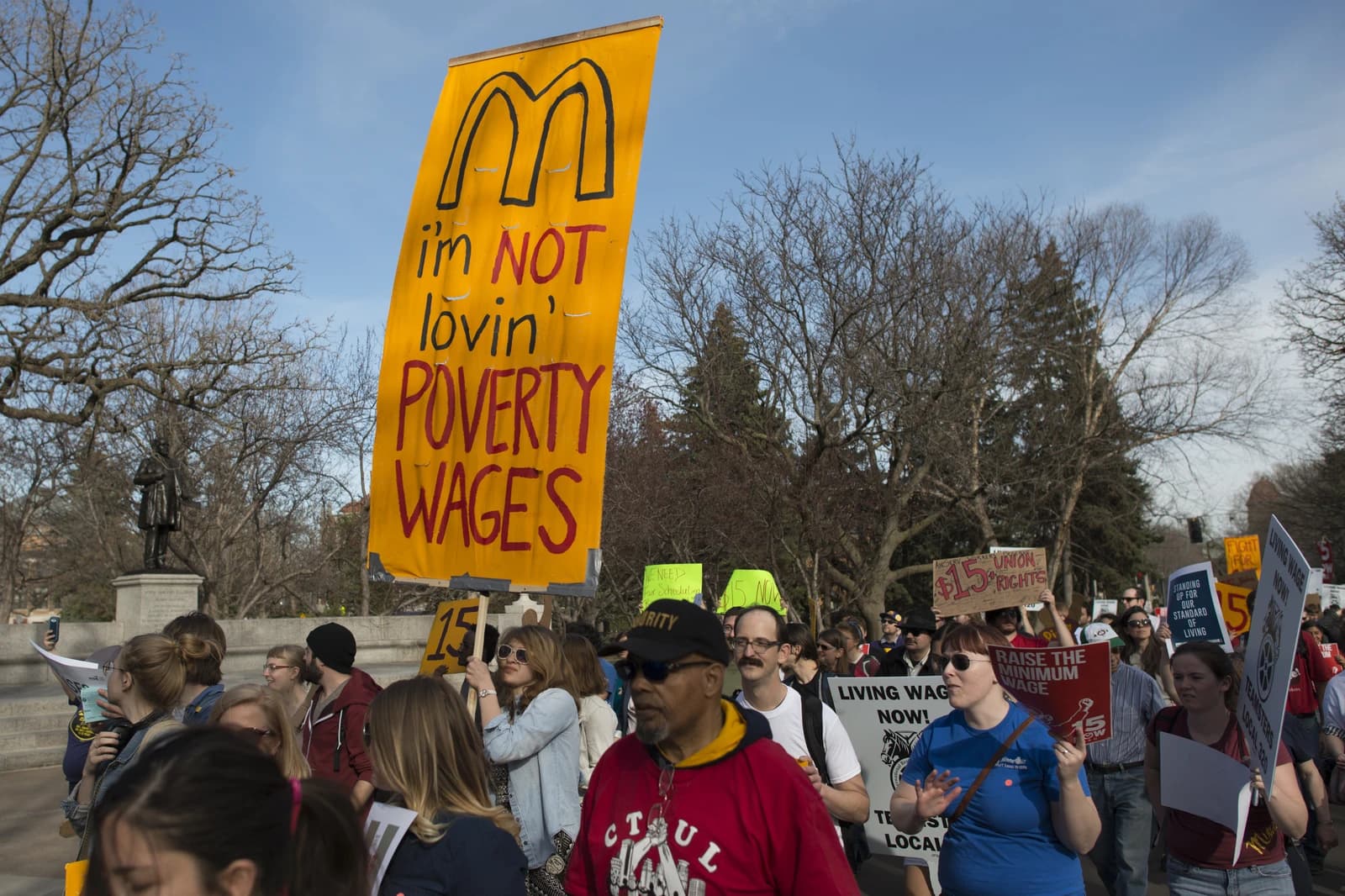
The breakdown in negotiations matters because the minimum wage is not just a social policy question; it is a direct cost input for businesses across agriculture, non-agricultural activities and maquila export operations. With the tripartite commission unable to bridge competing proposals, President Bernardo Arévalo’s administration now has to decide whether to prioritize household purchasing power or protect margins in an economy still balancing inflation, employment and competitiveness.
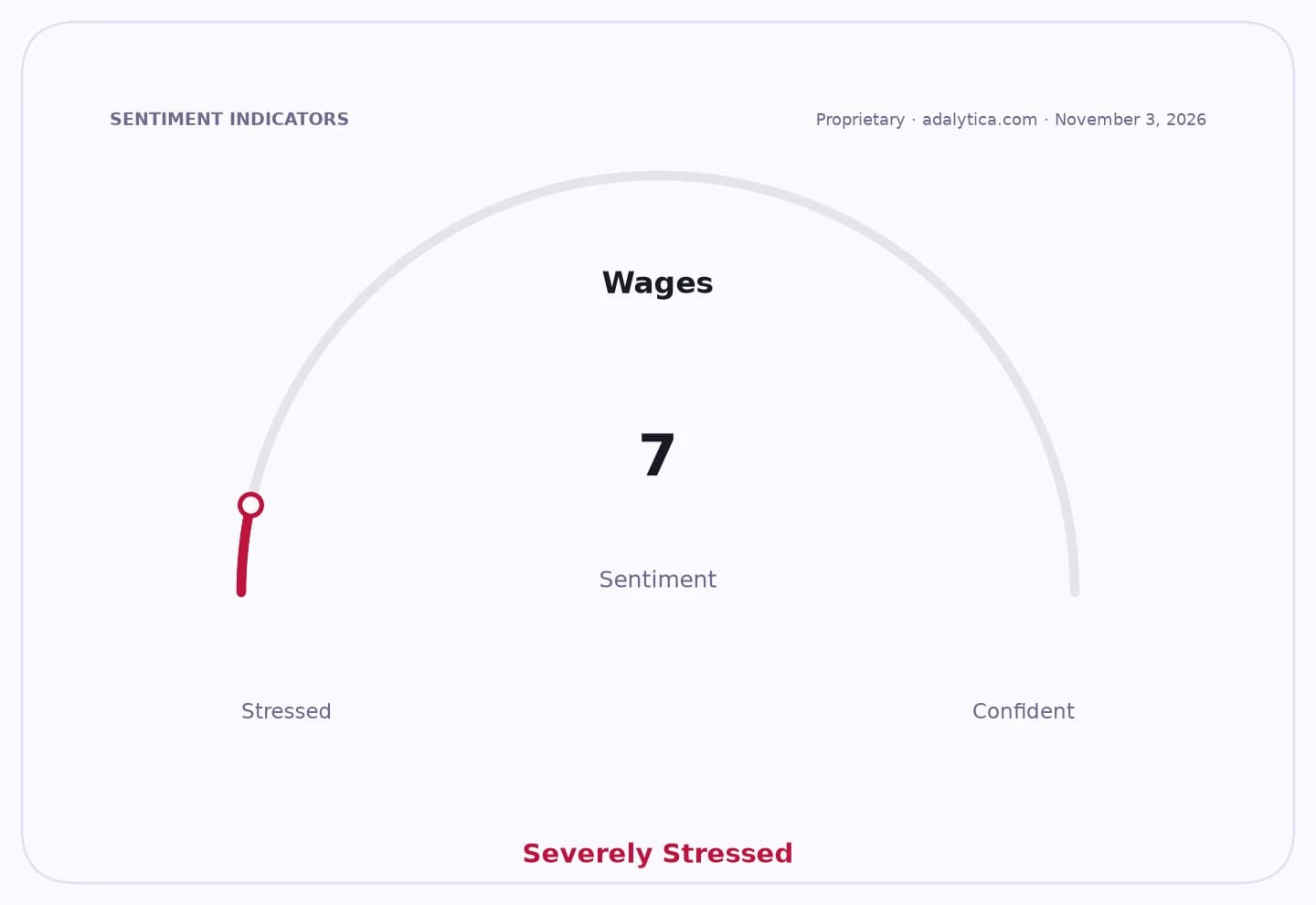
Sentiment Indicators
Labor Minister Miriam Roquel said the disagreement among the three sides prevented a consensus, and the technical file has been sent to the president, who will issue the formal adjustment by government decree. Under Guatemala’s labor code, that executive ruling will determine the official wage bands for 2027 across the country’s different economic zones and sectors, with the final decision expected toward year-end.
For workers, any increase would help offset the erosion of real wages after a prolonged period of price pressure. The latest inflation readings in the context point to consumer prices still running well above historical norms, even if monthly momentum has moderated, reinforcing the argument from labor groups that pay has not kept pace with living costs. A higher floor wage could also support domestic consumption, especially for lower-income households with a high propensity to spend.
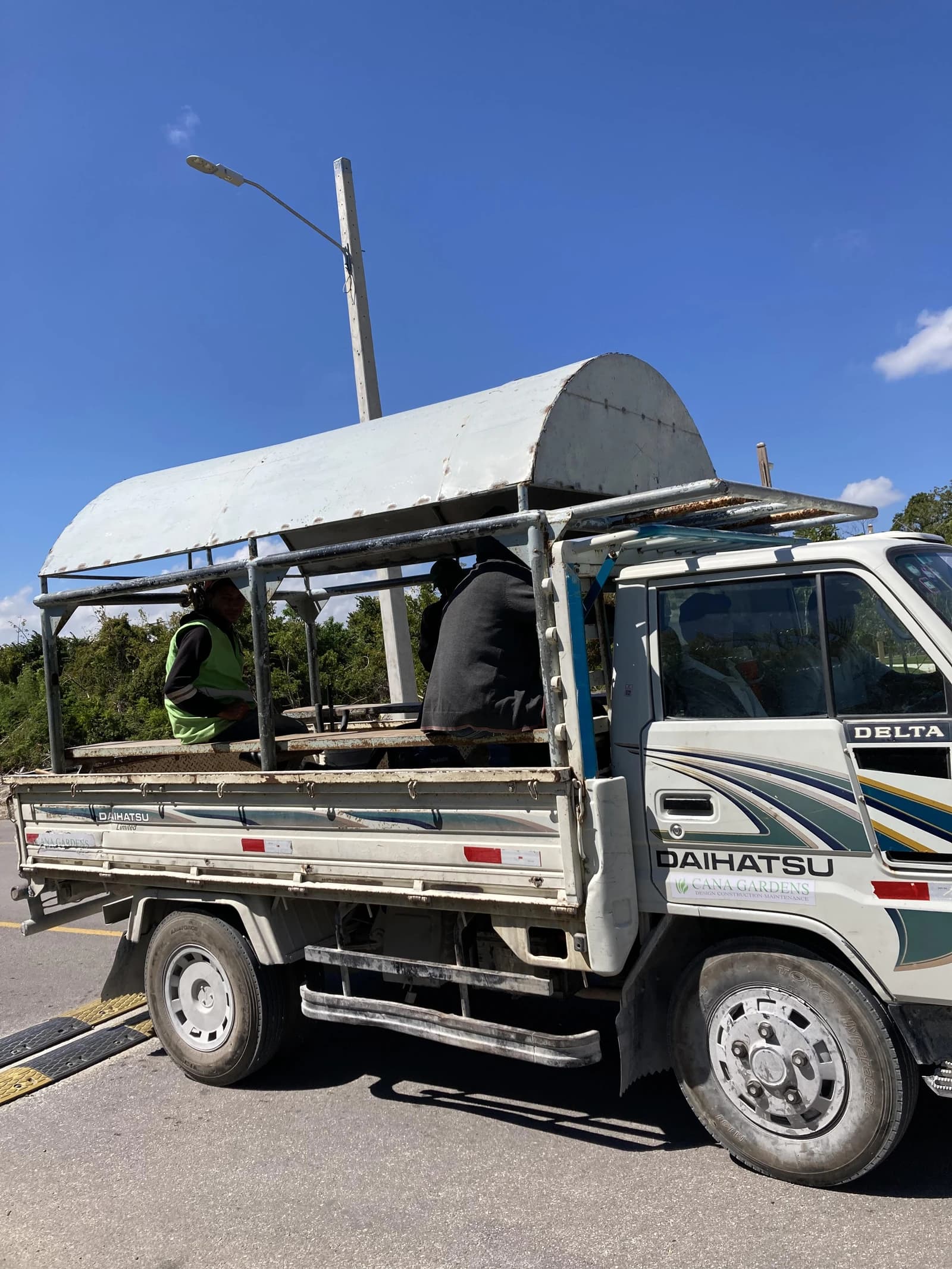
For employers, the stakes are more immediate. A larger wage hike would raise labor costs at a time when firms are already sensitive to operating margins, productivity and export competitiveness. That is especially true for maquila and agricultural producers, where labor represents a larger share of unit costs and where Guatemala competes against lower-cost jurisdictions. A sharp increase could also complicate hiring in smaller businesses with limited pricing power.
The policy fight lands in a broader debate seen across emerging markets, where governments are trying to reconcile wage support with job creation. The data context on payrolls and unemployment suggests Guatemala’s labor market has remained relatively stable, which gives policymakers some room to tighten wage standards. But it also leaves little cushion if firms respond by delaying hiring, reducing hours or passing costs into prices.
Investors will watch the president’s decision for signals on the government’s approach to business confidence and social policy. A modest adjustment would likely be viewed as pro-competitiveness and supportive for exporters and formal employers. A more aggressive increase could lift consumer spending over time, but it would also raise the risk of margin pressure, informal employment and localized inflation.
The key question now is not whether the wage will move, but by how much and how evenly it will be applied across sectors. That will determine whether the 2027 decision functions as a broad-based income support measure or becomes another test of Guatemala’s ability to sustain growth without pricing labor out of the market.
| Entity | Gains | Losses |
|---|---|---|
| Workers | ▲Higher take-home pay | ▼Employers facing higher labor costs |
| Employers | ▲If increase is modest | ▼Margin pressure from wage hike |
| President/Executive | ▲Policy control | ▼Political blame if decision disappoints |
| Exporters/maquila firms | ▲Predictable, limited hike | ▼Large mandated wage increase |