Vietnam has approved a 7.8% increase in regional minimum wages effective Jan. 1, 2027, a move that will raise monthly pay floors by 310,000 to 390,000 dong and add pressure to labor costs across manufacturing, retail and services just as employers brace for a tighter wage environment.
Vietnam Raises Regional Minimum Wages for 2027
The new decree, signed Nov. 2, lifts hourly minimums in all four wage regions and sets the highest-tier rate at 27,400 dong an hour, up from 25,500 dong, while the lowest tier rises to 19,400 dong from 17,800 dong. The government said the increase is meant to improve living standards while still leaving room for businesses to maintain production and sales.
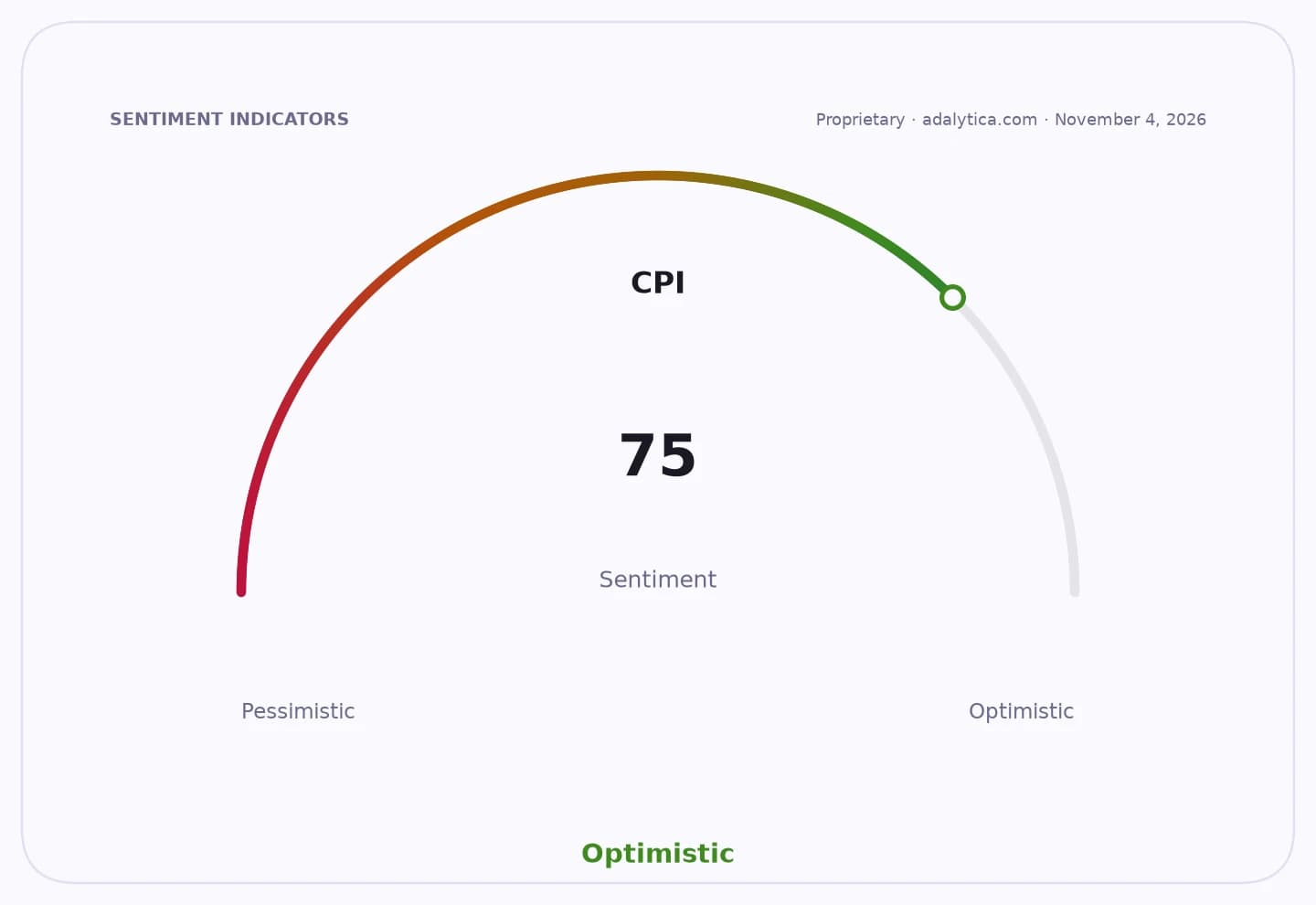
Sentiment Indicators
For investors, the key question is not the headline percentage but how broadly the higher wage floor will feed through corporate margins, hiring and pricing. Vietnam remains a major base for export-oriented production, and the wage reset will matter most for labor-intensive employers that rely on contract workers and large factory workforces.
The policy also lands in a labor market that remains relatively tight. The unemployment rate was 4.2% in September and payrolls were still rising, underscoring that employers may have less room to absorb higher compensation without passing on some of the cost. Inflation has also stayed elevated, with consumer prices up 0.65% in September, giving workers and policymakers little incentive to delay wage adjustments further.
Retail and consumer stocks are likely to be watched closely for any spillover into spending power, while exporters and low-margin manufacturers may face the clearest earnings risk. U.S. consumer names with exposure to labor-heavy supply chains, including apparel and general merchandise, could also feel the impact if the wage hike lifts costs in Vietnam-based production hubs.
The decree takes effect at the start of 2027 and requires employers to review labor contracts, collective agreements and pay policies. The next catalyst is whether companies move quickly to reset wage structures now, or wait to see if the broader cost environment forces a second round of pricing and margin revisions later next year.
| Entity | Gains | Losses |
|---|---|---|
| Vietnamese workers | ▲Higher minimum pay | ▼None directly |
| Employers in labor-intensive sectors | ▲Policy clarity | ▼Higher labor costs |
| Export manufacturers | ▲Steadier labor relations | ▼Margin pressure |
| Consumers and retailers | ▲Stronger wage income | ▼Potential price increases |