Guatemala’s white corn prices are climbing as drought-hit output tightens supply, raising food inflation risks for households and keeping pressure on middlemen, importers and consumers.
Guatemala white corn prices rise on drought damage
The Ministry of Agriculture said the wholesale price of first-grade white corn rose to Q221 per quintal in the week of Aug. 24-28, up Q16.50, or 8.07%, from the prior week and Q18.50 over two weeks. The ministry linked the move to lower availability after weather conditions damaged harvests in parts of the south and east.
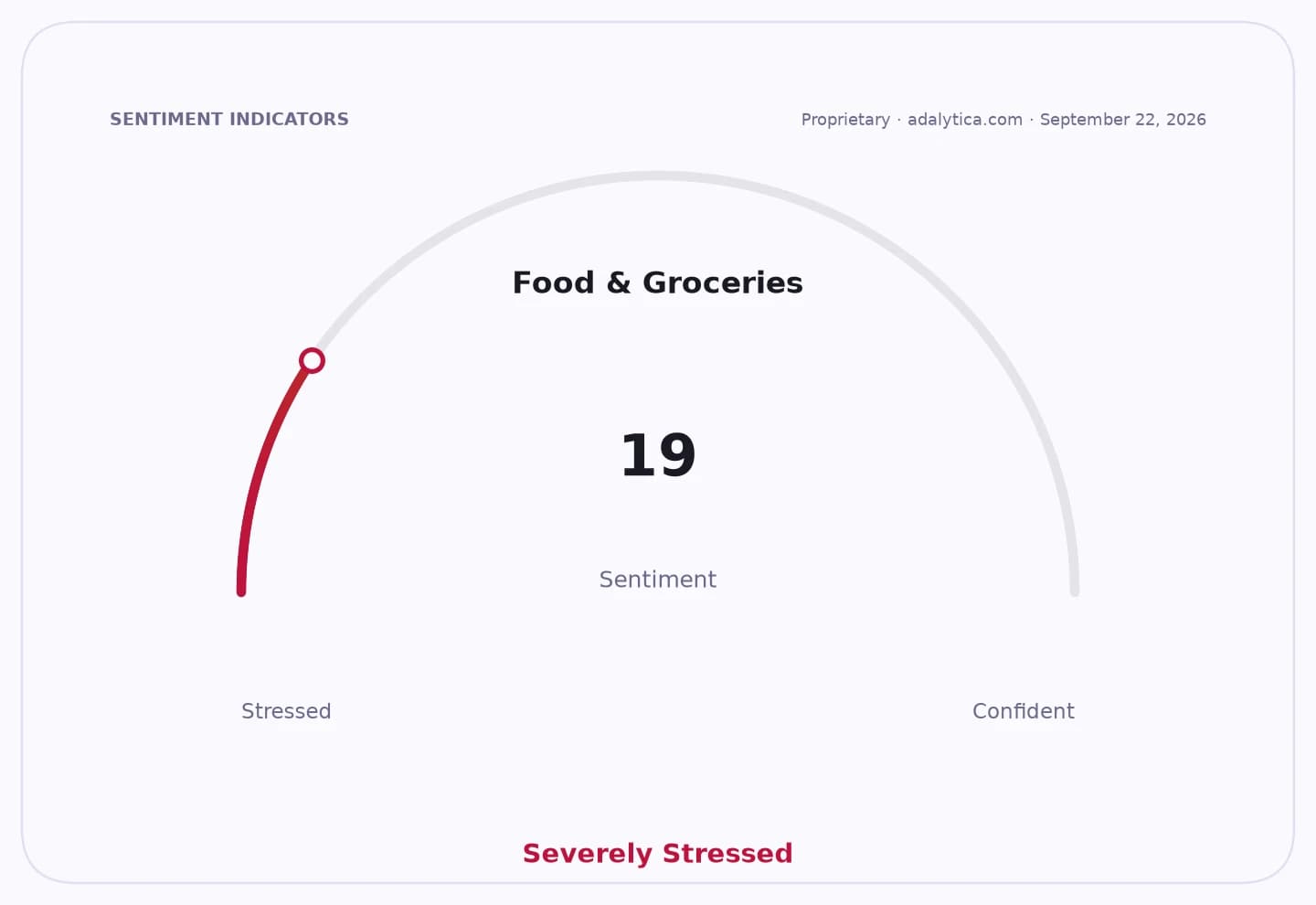
Sentiment IndicatorsⓘProprietary · adalytica.com · September 7, 2026
This is a snapshot — live sentiment, awareness and momentum for 130+ markets update continuously in the dashboard.Open AlphaPulse
White corn matters far beyond the grain market because it is a staple in Guatemala’s diet and a key input in consumer food costs. Retail prices are already showing the strain: the ministry’s July monitoring put white corn at Q2.50 a pound in La Terminal market in Guatemala City, up 34.4% from a year earlier, while prices in other departmental capitals ranged from Q1.90 to Q4 a pound.
The squeeze is also exposing how shortages can be amplified in the distribution chain. Gustavo Rivas, head of the National Basic Grains Association, said consumer prices have climbed to as much as Q250 per quintal, but the amount paid to producers has not risen in the same proportion, suggesting intermediaries are capturing part of the spread.
Imports are cushioning the blow but not eliminating it. The agriculture ministry said Mexican corn is still entering the market and helping cover demand, while more than 110,000 metric tons of zero-tariff import quotas have been approved this year. Even so, the ministry expected supply to remain limited and prices to stay on an upward trend in the near term.
Other staple grains are telling a more mixed story. Yellow corn and black beans were stable at the wholesale level in late August, and rice was unchanged, underscoring that the price pressure is being driven mainly by white corn’s tighter supply rather than a broad-based shock across the basket.
The next catalyst is whether late-season weather improves crop conditions or forces further reliance on imports, a dynamic that will shape food inflation, farm incomes and margins for traders moving grain between producers and urban markets.
| Entity | Gains | Losses |
|---|---|---|
| Importers | ▲Higher volumes | ▼Narrower spreads if controls tighten |
| Intermediaries | ▲Wider retail markups | ▼Public scrutiny |
| Farmers | ▲None if farmgate prices lag | ▼Lower output from drought |
| Consumers | ▲Limited supply from imports | ▼Higher staple food costs |