Gujarat Energy’s new 10-year LNG agreement with Abu Dhabi National Oil Co. underscores how Asian buyers are still racing to secure long-term gas supply even as spot markets turn choppy ahead of winter.
Gujarat Energy signs 10-year LNG deal with ADNOC

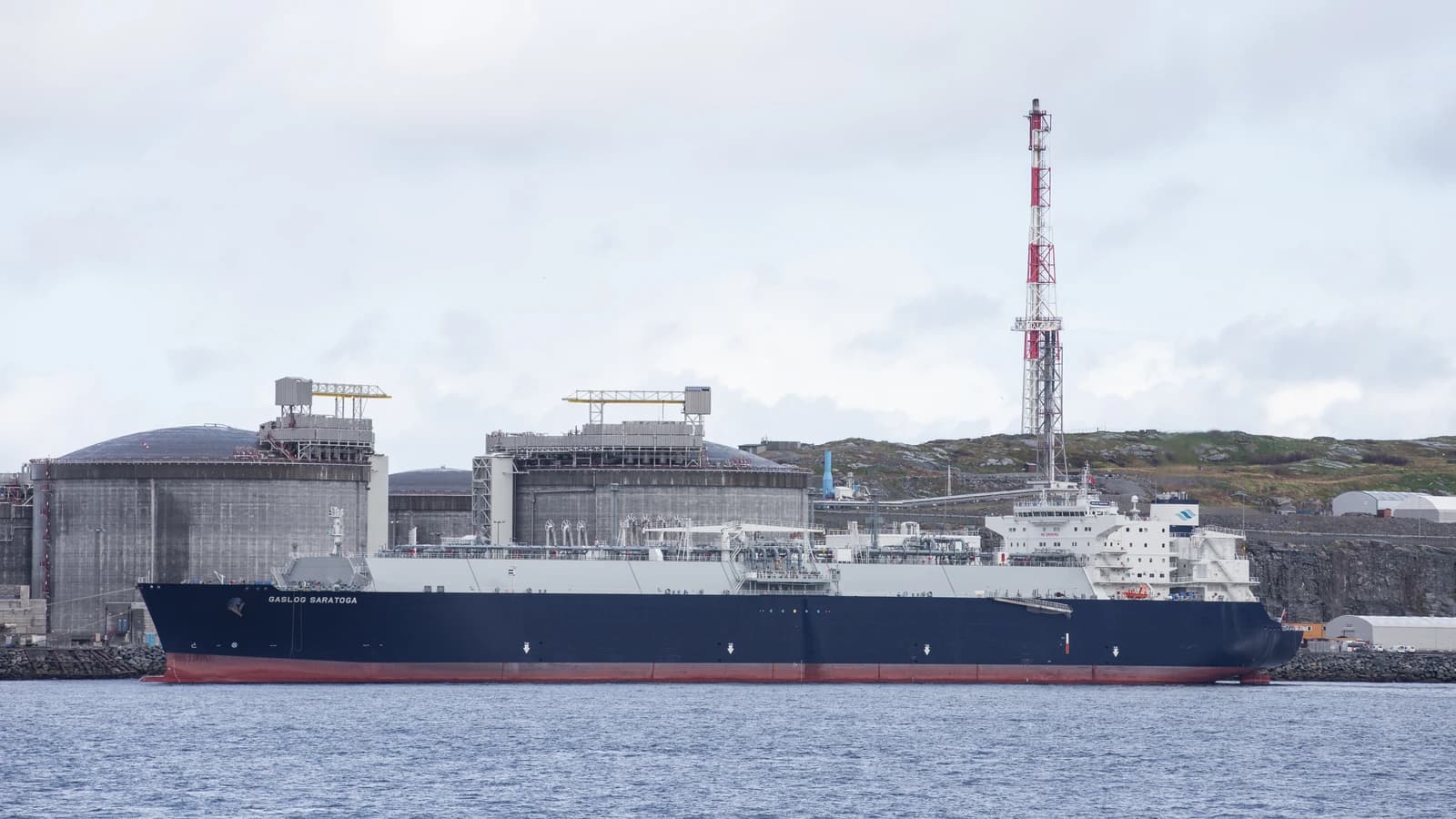
The deal matters because it is not just another cargo contract: it is Gujarat Energy’s fifth LNG supply agreement in India and the first purchase of molecules from ADNOC’s international portfolio, extending a long-standing energy relationship while helping lock in volumes in a market where supply security is becoming more valuable than price timing.
Sentiment Indicators
For India, the pact fits a broader push to expand natural gas use as a lower-carbon fuel for industry, households and transport. That transition depends on dependable imports, and long-dated contracts remain the clearest way for utilities and distributors to avoid being whipsawed by volatility in the spot LNG market. Global gas markets are heading into winter with low European inventories, geopolitical risk in the Middle East and weather uncertainty all keeping buyers on edge.
The commercial appeal is obvious for ADNOC as well. The Abu Dhabi producer is using its integrated LNG marketing and trading platform to broaden its customer base and monetize an expanding international portfolio. By placing volumes with a large and growing market such as India, ADNOC gains demand visibility and strengthens ties with one of the world’s fastest-growing LNG importers. The company said the agreement marks the first sale of molecules from XRG’s international portfolio, a sign it is building a more global trading footprint.
For investors, the immediate market reaction was mixed. Shares of Gujarat Energy were down 2.96% at Rs 218.05 in Friday trade, suggesting the announcement alone was not enough to offset broader pressure on the stock. Still, the strategic value is harder to dismiss. Long-term LNG procurement can reduce earnings volatility, improve supply planning and support downstream growth, especially if India’s gas demand keeps rising with industrial activity and city gas expansion.
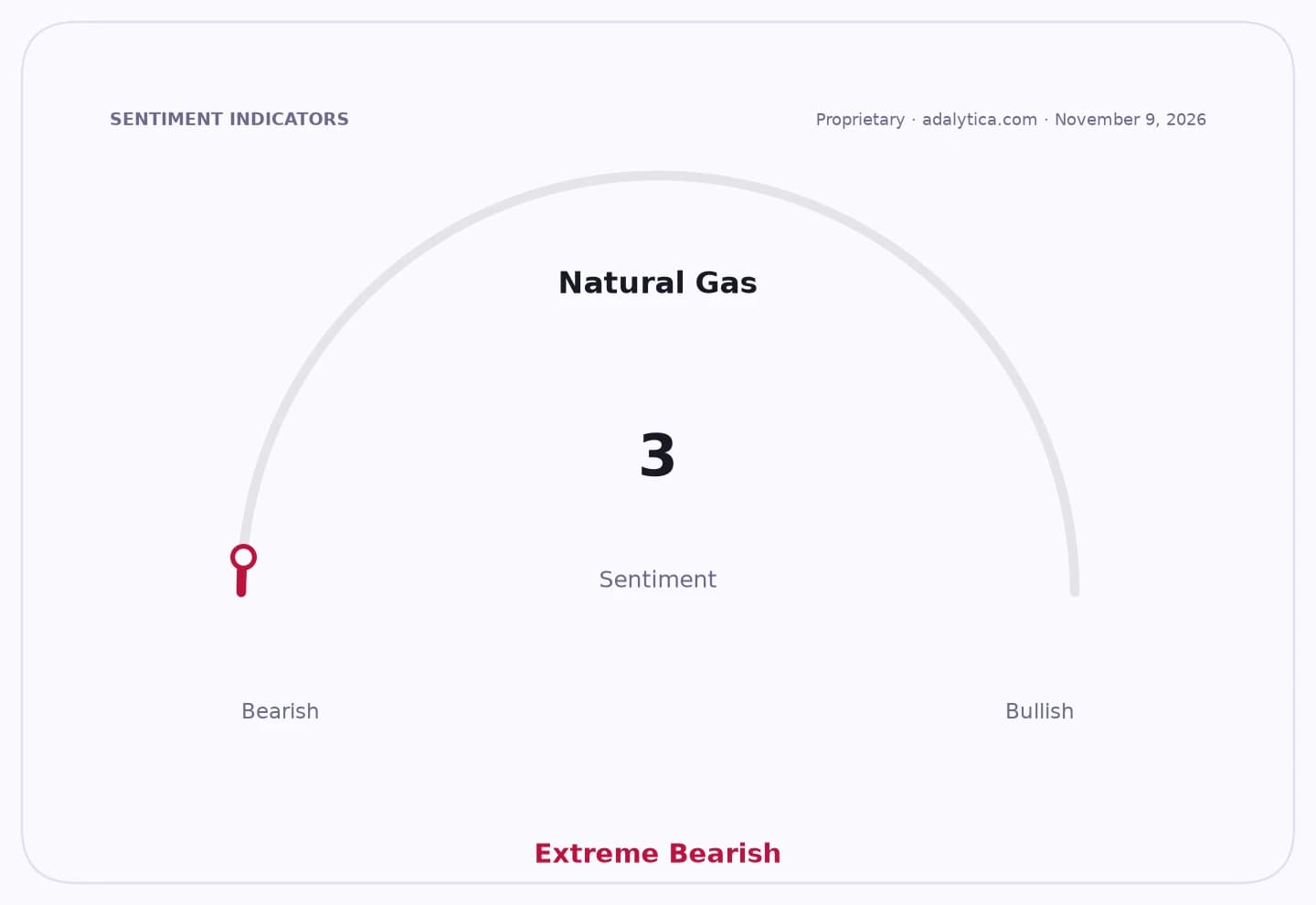
The deal also lands against a volatile backdrop for natural gas itself. Adalytica’s natural gas market trade signals point to “Extreme Fear,” with sentiment at 12 and awareness at 21, while recent history shows a sharp deterioration over the past month. That does not necessarily change fundamentals on its own, but it reflects the kind of nervous market in which contract announcements can carry outsized importance.
The bullish case is that India is steadily deepening its LNG import book, and ADNOC is becoming a more important counterparty in that buildout. The bearish case is that long-term supply deals can still leave buyers exposed if demand growth disappoints or if spot prices fall sharply after contracts are signed. For now, though, the message is clear: in a winter market defined by uncertainty, supply security is commanding a premium.
| Entity | Gains | Losses |
|---|---|---|
| Gujarat Energy | ▲Supply security | ▼Spot-price upside |
| ADNOC | ▲Long-term offtake | ▼Uncontracted volumes |
| India gas market | ▲Reliable LNG access | ▼Short-term flexibility |
| Spot LNG sellers | ▲Tight market pricing | ▼Contracted demand growth |