Maharashtra’s thermal power system is running on a razor-thin coal cushion, with just 5.5 lakh metric tonnes left in plant stock and some stations holding only days of fuel, raising the risk of supply pressure as demand stays elevated.
Maharashtra Coal Stock Shortage Pressures Power Supply
Coal
The immediate significance is not just an operational headache for Mahagenco, but a warning sign for India’s broader power balance heading into a season when electricity demand can swing sharply with weather and industrial activity. At Koradi, the reserve is down to about one-and-a-half days, while Nashik and Chandrapur have only three days of coal left, according to local reporting. That is a precarious level for a state that still depends heavily on thermal generation to keep the grid stable.
Sentiment Indicators
The squeeze matters economically because coal shortages force generators to run less efficiently, raise the odds of costly spot power purchases and, in the worst case, threaten localised load-shedding. Even where outages are avoided, the system pays through higher operating costs and more stress on dispatch planning. Mahagenco says production will not be allowed to fall because of the shortage, but that assurance is only as good as the next few deliveries from coal companies and Indian Railways.
For investors, the story reinforces a simple thesis: coal remains a critical infrastructure fuel in India, and periods of tight inventory still translate into volatility for power utilities, rail freight, coal logistics and equipment suppliers. The market often treats thermal coal as a fading legacy trade, but this episode shows how indispensable it remains when demand spikes and renewable output cannot fully cover the gap. That makes coal transport, mine development and grid-balancing assets more relevant than many portfolios assume.
The timing is especially important. Maharashtra had earlier relied on solar projects and the state’s solar agriculture feeder plan to ease pressure on thermal stations, but that relief has not fully rebuilt stocks. Rain in coal-mining areas has also disrupted supply. In other words, this is a supply-chain story, not a demand story alone: fuel availability, rail coordination and dispatch discipline will decide how quickly the system stabilizes.
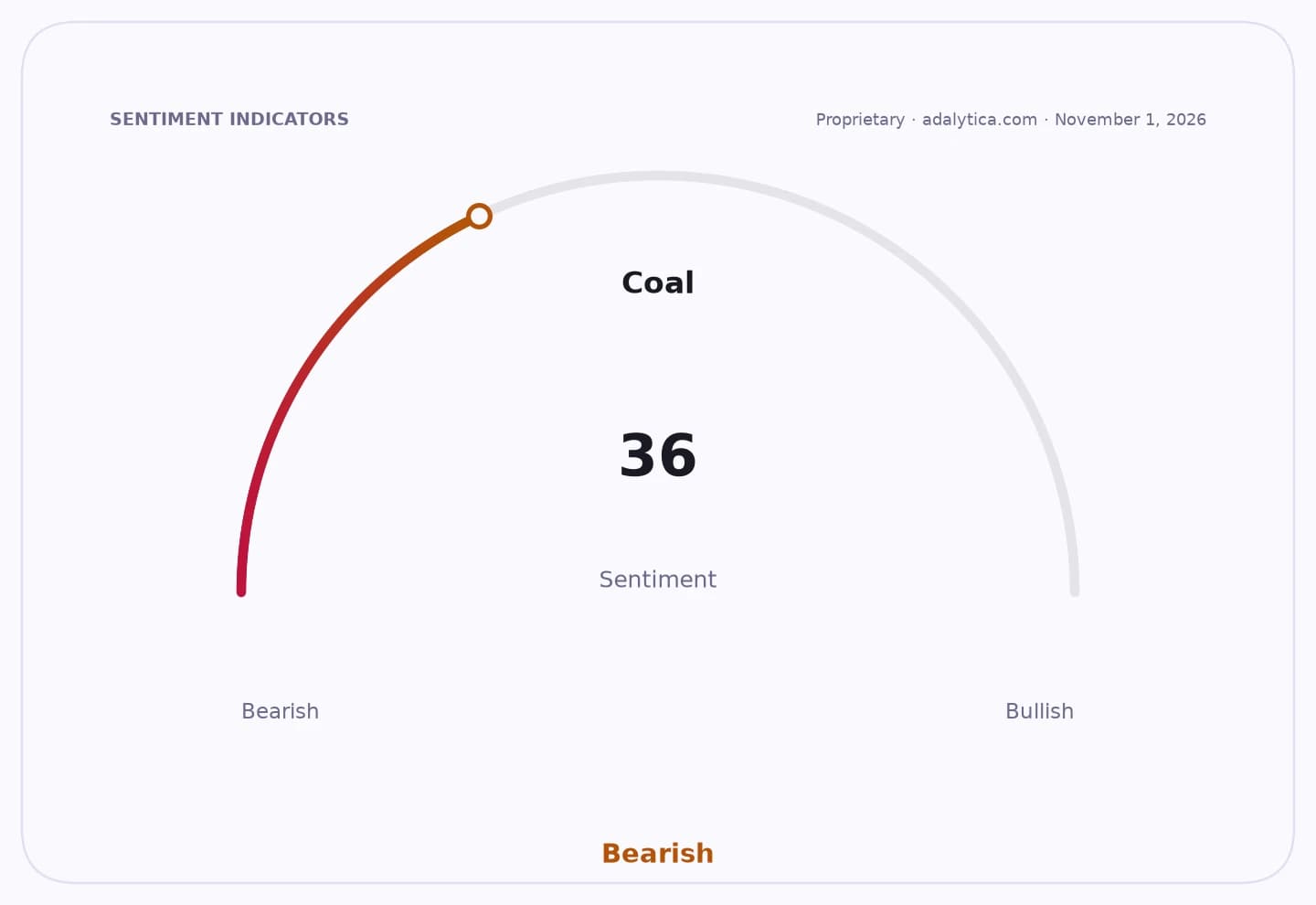
Adalytica’s Coal Fear & Greed Index sits in neutral territory even after a recent jump in awareness, suggesting the market is not yet fully pricing the operational fragility. That disconnect creates opportunity for investors who understand that coal’s importance rises precisely when it is most neglected.
The next catalyst is straightforward: if coal stocks recover, the crisis eases; if they do not, India’s power market will face renewed pressure, and the beneficiaries will be the firms that move coal, manage freight and keep the grid running when inventories run low. In our view, this is the kind of supply-side stress that can turn into a durable trade in the right infrastructure names.
| Entity | Gains | Losses |
|---|---|---|
| Coal logistics providers | ▲Higher dispatch urgency | ▼Inventory shortages |
| Indian Railways | ▲More coal freight demand | ▼Bottlenecks and pressure |
| Thermal power utilities | ▲Support from priority supply | ▼Higher operating risk |
| Consumers and industry | ▲Grid stability if supply improves | ▼Outages and higher power costs |