Vande Bharat’s electricity use is a reminder that India’s fastest growing premium rail service still depends on a very old-fashioned input: power, and lots of it. For investors and policymakers, the important point is not just that the train is modern and efficient, but that scaling electrified transport quickly can still leave a meaningful operating-cost bill tied to grid prices, route length and traffic density.
Vande Bharat electricity cost and rail economics
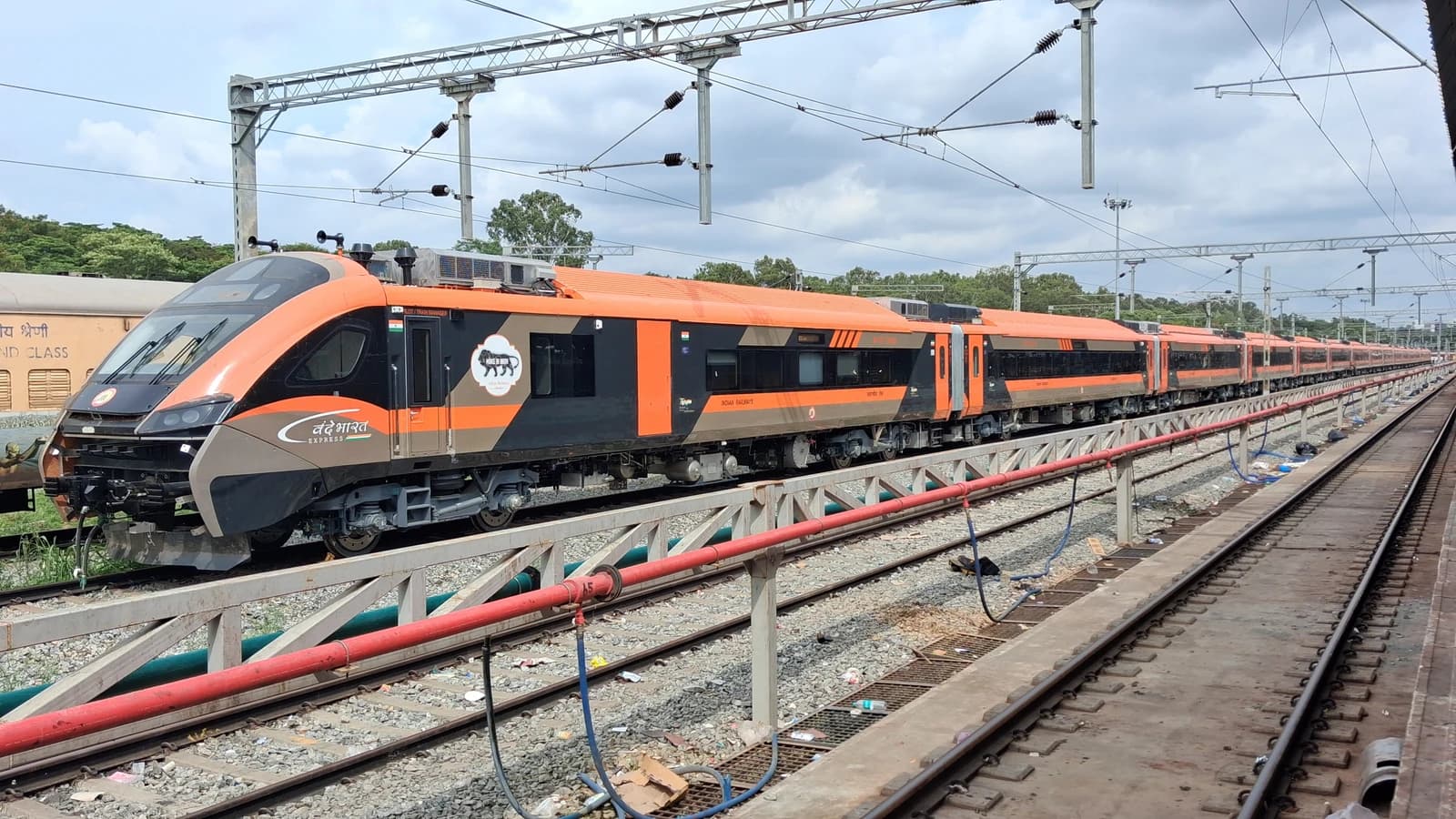
According to the figures in the source material, a Vande Bharat train consumes about 20 units of electricity per kilometer, which translates to roughly ₹130 in power cost for every kilometer at an average bulk tariff of ₹6.50 per unit. On a 275-kilometer Gorakhpur-Lucknow run, that means the electricity bill for one-way operation can reach about ₹34,000 to ₹35,000, before staff, maintenance and other expenses are added.
Sentiment Indicators
That matters economically because rail electrification is often sold as a cheaper, cleaner alternative to diesel. It usually is over the long run, but the savings only show up when trains are well utilized, energy prices are managed and regenerative systems are working properly. In this case, Vande Bharat’s regenerative braking helps recover energy when the train slows, with the report saying it can save or generate around 1,153 units a day. That reduces the net power bill and improves the economics of a service that is increasingly central to Indian Railways’ modernization push.
For investors, the story is about the hidden cost structure of transport electrification. Railway operators, rolling stock makers and power suppliers all benefit when electrified services gain scale, but the margin profile depends on power tariffs, occupancy and route economics. A premium train with strong demand can support better fare realization and justify higher energy spend. A lightly filled train on a long route can quickly become expensive to run.
The broader takeaway is that the Vande Bharat model is not just a branding exercise. It is a test case for how India can combine faster rail travel, higher passenger expectations and cleaner operations without letting electricity costs erode the economics. If utilization stays strong and energy recovery continues to offset part of the bill, the service can remain a durable part of India’s rail upgrade. For long-term investors watching transport and infrastructure themes, it is worth keeping on the watchlist.
| Entity | Gains | Losses |
|---|---|---|
| Indian Railways | ▲Modern premium service appeal | ▼Higher power costs |
| Passengers | ▲Faster, cleaner travel | ▼Higher fare pressure risk |
| Power utilities | ▲Stable bulk electricity demand | ▼None from lower usage efficiency |
| Competing diesel transport | ▲None | ▼Structural disadvantage |