Gulf central banks moved in lockstep with the U.S. Federal Reserve on Wednesday, lifting policy rates by 25 basis points to protect currency pegs and keep financial conditions aligned with the world’s most important central bank.
Gulf central banks raise rates with the Fed
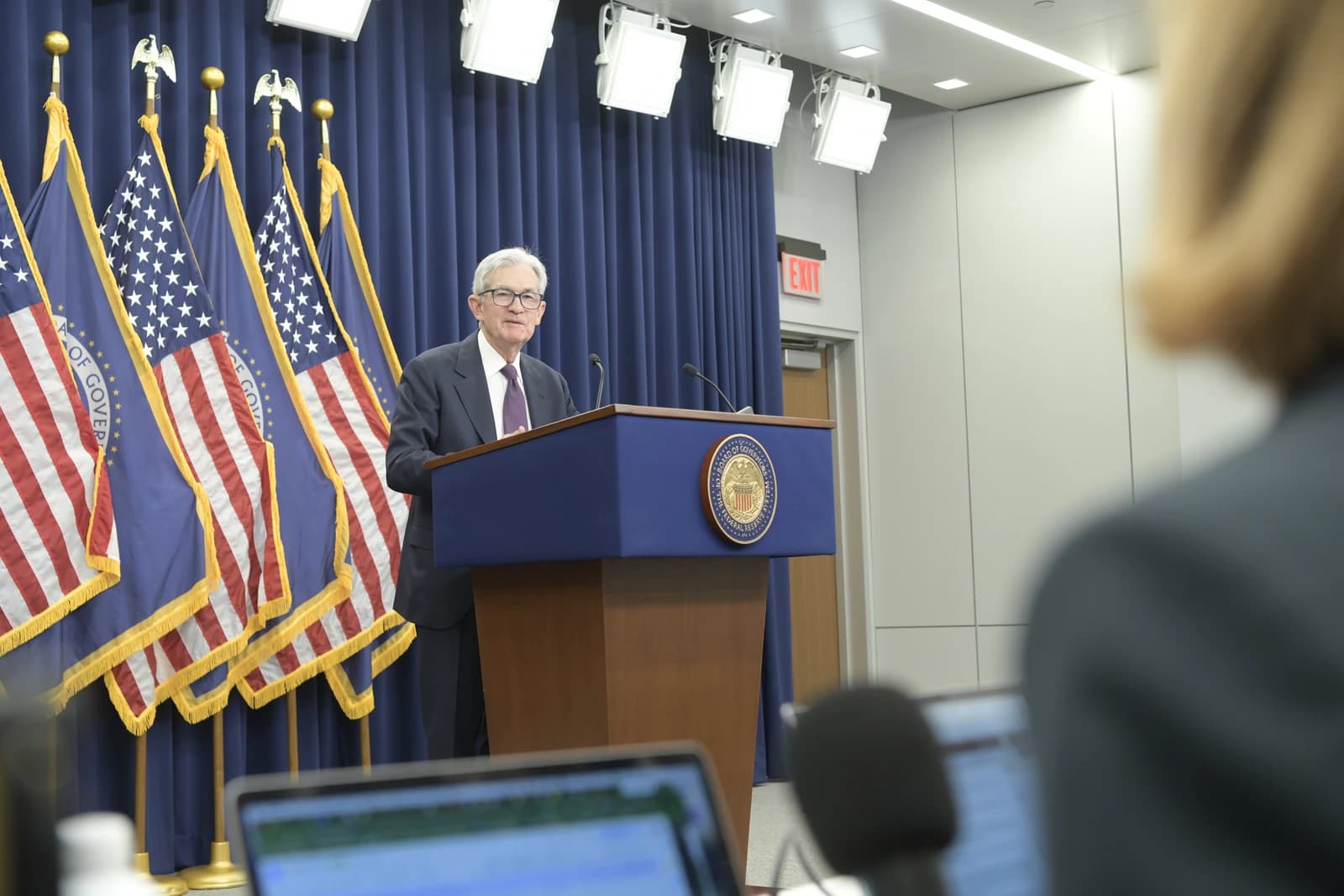
That matters because, for Saudi Arabia, the United Arab Emirates, Oman and Bahrain, monetary policy is still largely imported from Washington. Their currencies are tied to the dollar, so when the Fed raises rates, local central banks usually follow if they want to avoid pressure on exchange-rate stability, capital flows and short-term money markets. In other words, the decision was less about domestic growth than about preserving the credibility of the region’s monetary framework.
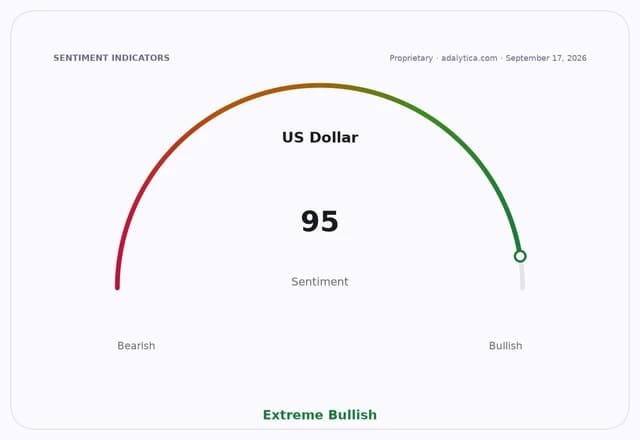
Sentiment IndicatorsⓘProprietary · adalytica.com · September 17, 2026
This is a snapshot — live sentiment, awareness and momentum for 130+ markets update continuously in the dashboard.Open AlphaPulse
Saudi Arabia raised its repo rate to 4.5% and its reverse repo rate to 4%, while the UAE lifted its overnight deposit facility base rate from 3.65% to 3.9%, effective Thursday. Oman raised its repo rate to 4.5%, and Bahrain increased its overnight deposit rate to 4.50%. Each central bank said the move was aimed at maintaining monetary and financial stability after the Fed raised the federal funds target range to 3.75% to 4%.
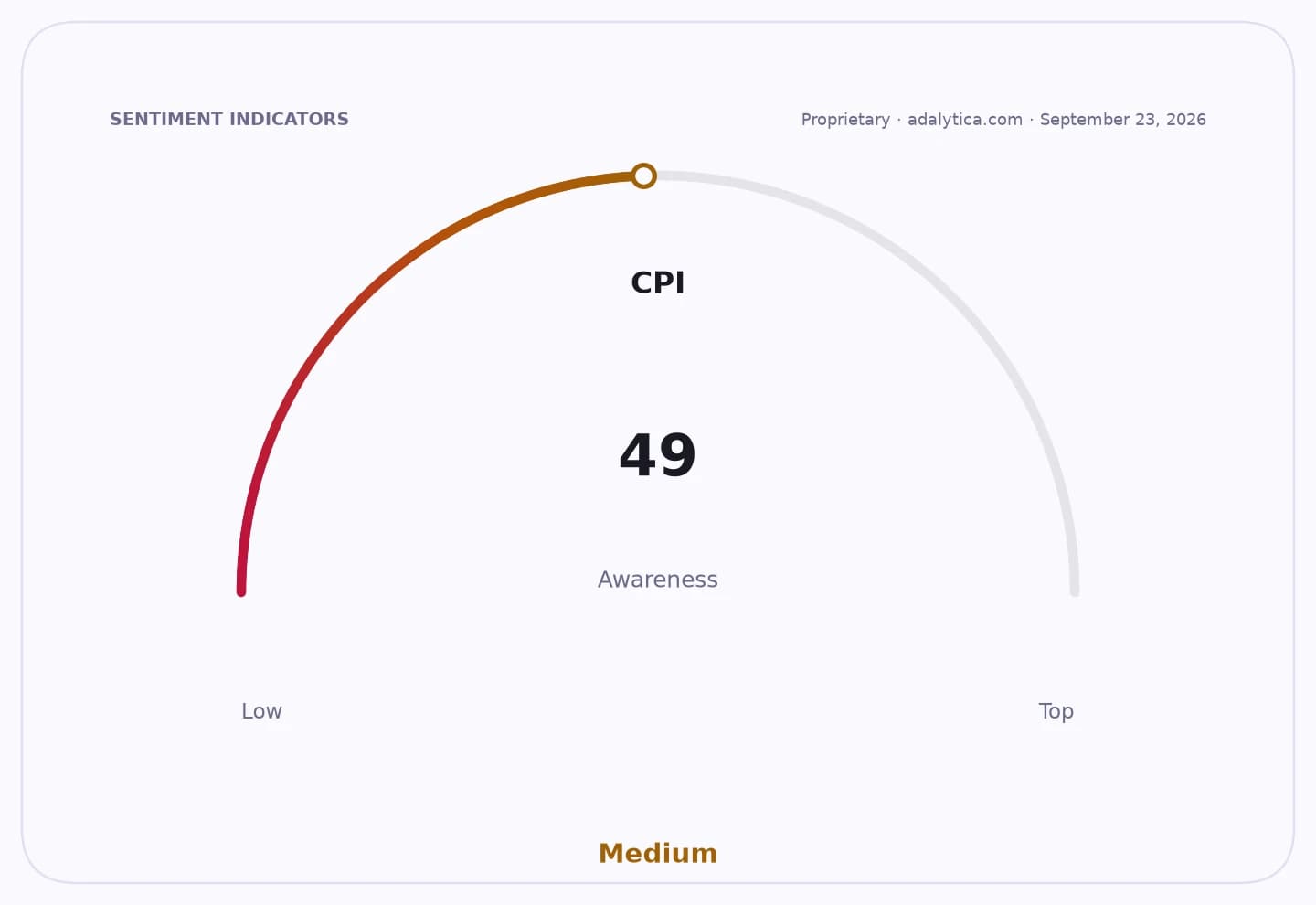
The Fed’s move was its first rate increase since 2023, a notable shift after a long pause. It came as U.S. inflation climbed to 3.4% in August and energy prices surged, with oil up more than 75% this year. The Fed said it wants to bring inflation back to its 2% target faster, even as geopolitical uncertainty remains elevated. For Gulf policymakers, that backdrop makes the case for matching the Fed stronger, not weaker: higher U.S. rates can otherwise pull capital toward dollar assets and tighten conditions abroad.
For investors, the immediate takeaway is simple. Higher Gulf rates tend to support local currencies and reduce foreign-exchange risk, but they can also make borrowing a bit more expensive for households, companies and governments. That can matter for rate-sensitive sectors such as real estate and leveraged growth stories, even in economies backed by strong energy revenues. At the same time, a firmer dollar and higher oil prices tend to reinforce the region’s fiscal strength, which can help banks, sovereign borrowers and some dividend-paying stocks.
The market message is that Gulf monetary policy remains a follower, not a leader, but the consequences are still real. The region is trying to balance financial stability with growth at a time when energy markets are volatile and geopolitical tensions are high. That makes rate moves like this less a surprise than a reminder of how closely Gulf economies remain tied to U.S. policy.
Long term, investors should watch whether renewed Fed tightening feeds into a broader wave of higher global borrowing costs. For now, the Gulf central banks have done what their currency pegs require. That keeps the monetary anchor in place, and in uncertain times, stability itself is an investable advantage.
| Entity | Gains | Losses |
|---|---|---|
| Gulf central banks | ▲Currency stability | ▼More domestic rate pressure |
| Dollar-linked currencies | ▲Peg credibility | ▼Policy flexibility |
| Banks and savers | ▲Higher deposit returns | ▼Borrowers facing higher costs |
| Rate-sensitive sectors | ▲— | ▼Higher financing burden |