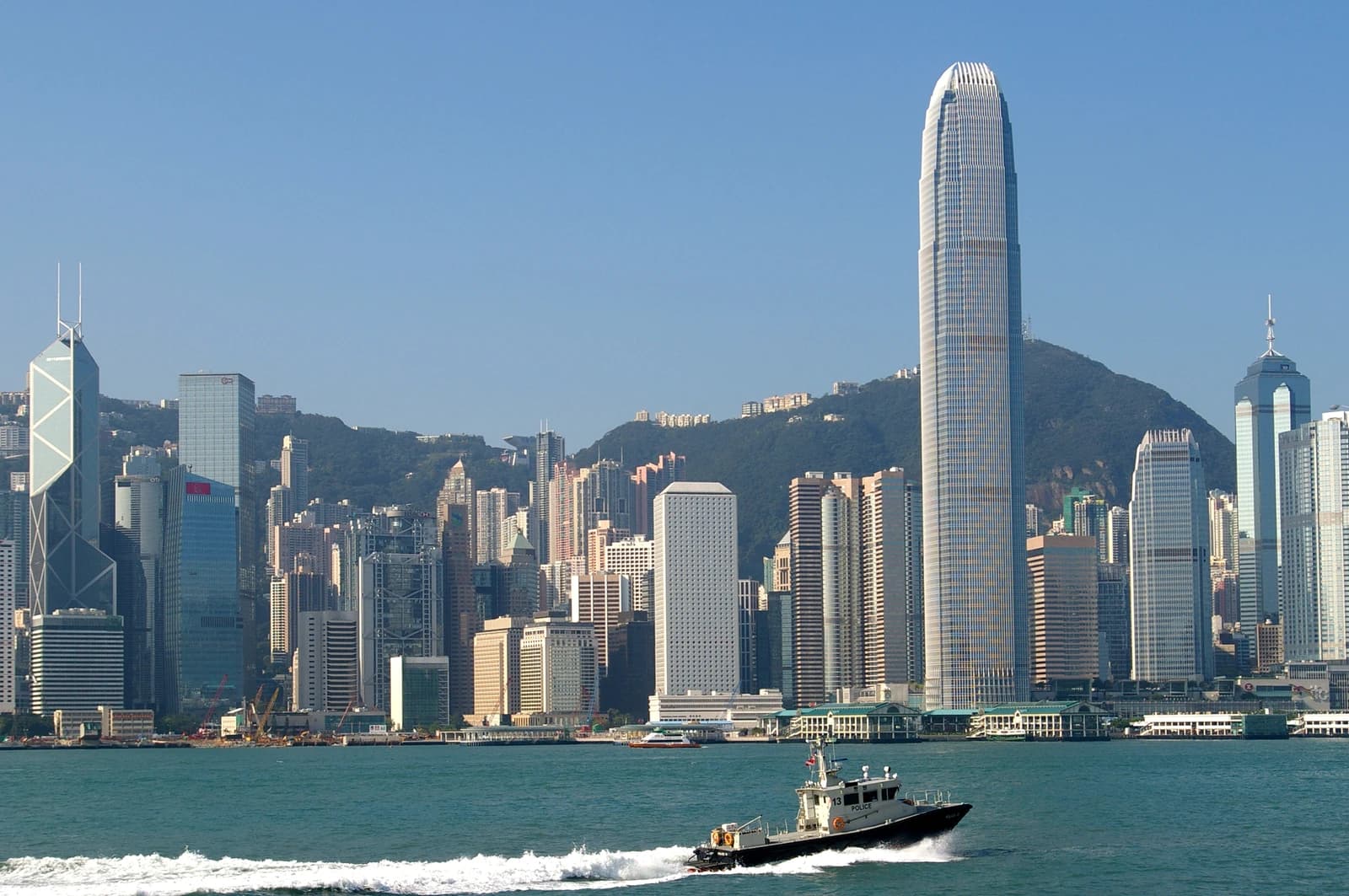
Hong Kong stocks opened lower on Thursday, with the Hang Seng Index falling 237.63 points, as investors stayed cautious ahead of U.S.-China talks and digested a backdrop of elevated U.S. Treasury yields that continues to pressure risk assets.
Hang Seng Falls on U.S.-China Talks and High Yields
The Hang Seng opened at 24,523.50, down 0.96%, tracking a weaker finish on Wall Street and extending the market’s recent sensitivity to global interest-rate expectations. When U.S. yields stay high, growth stocks — especially technology and semiconductors — tend to come under selling pressure because their future earnings are worth less in today’s terms. That helps explain why Hong Kong’s tech-heavy market remains vulnerable even when broader Asia sentiment improves.
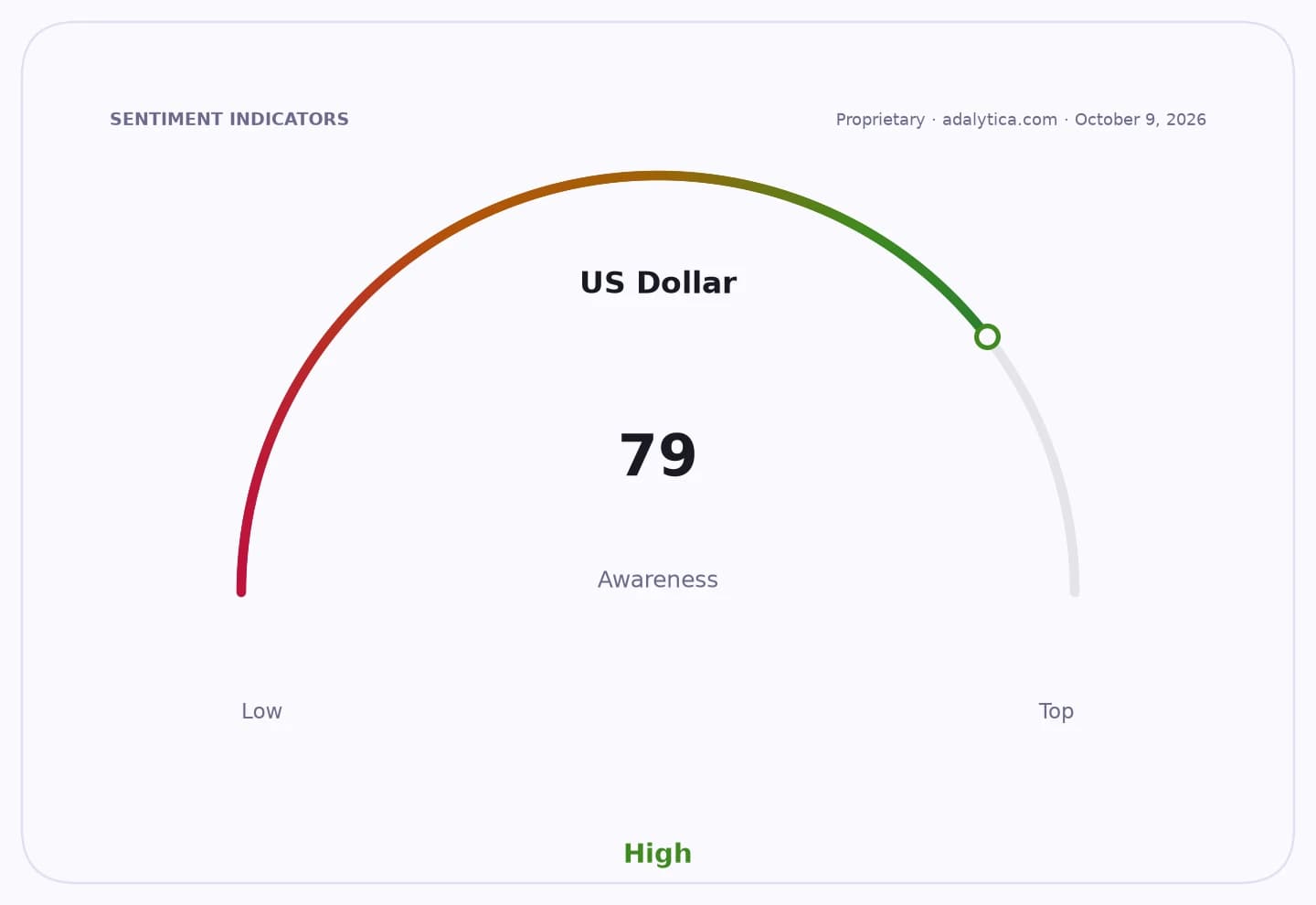
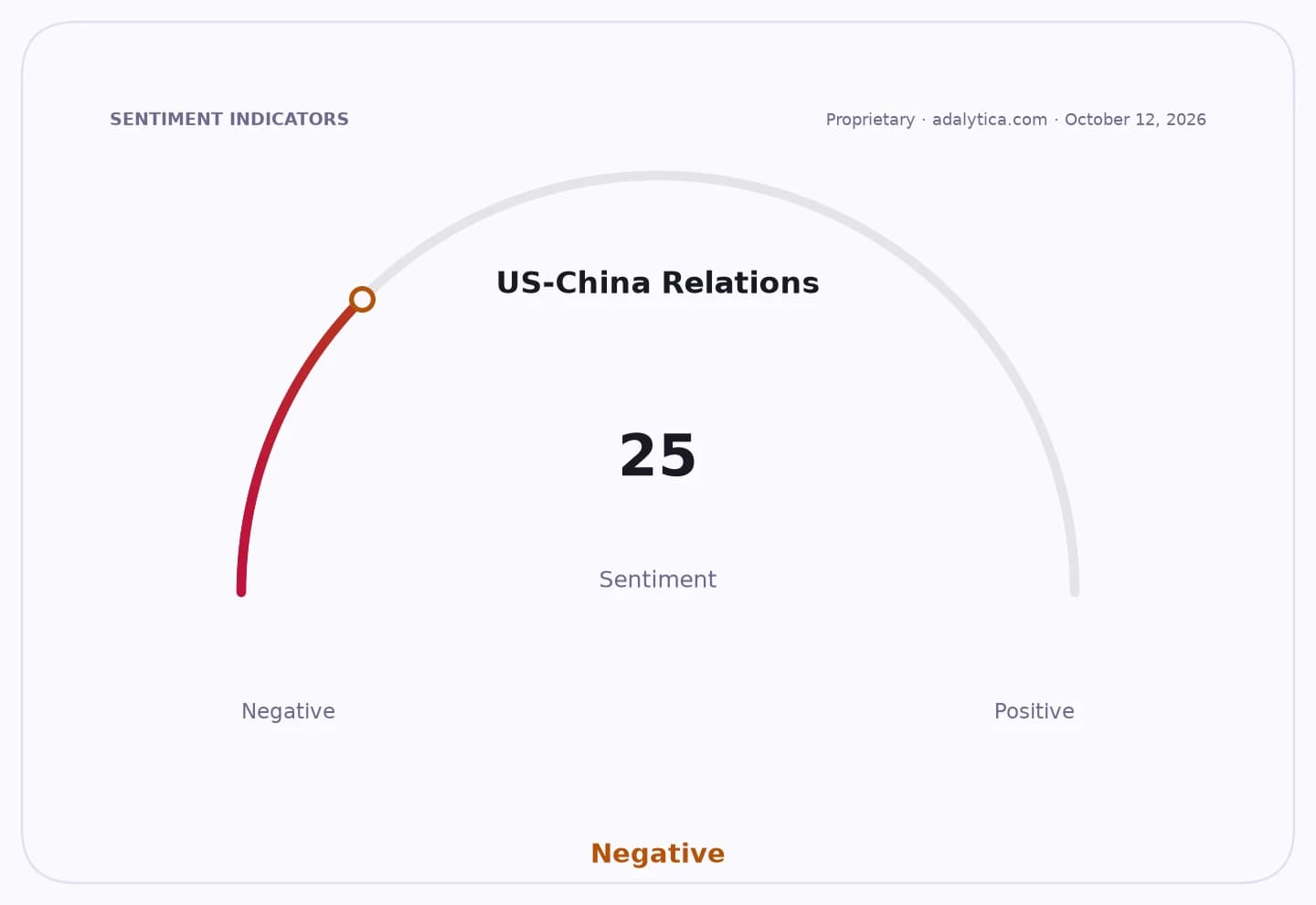
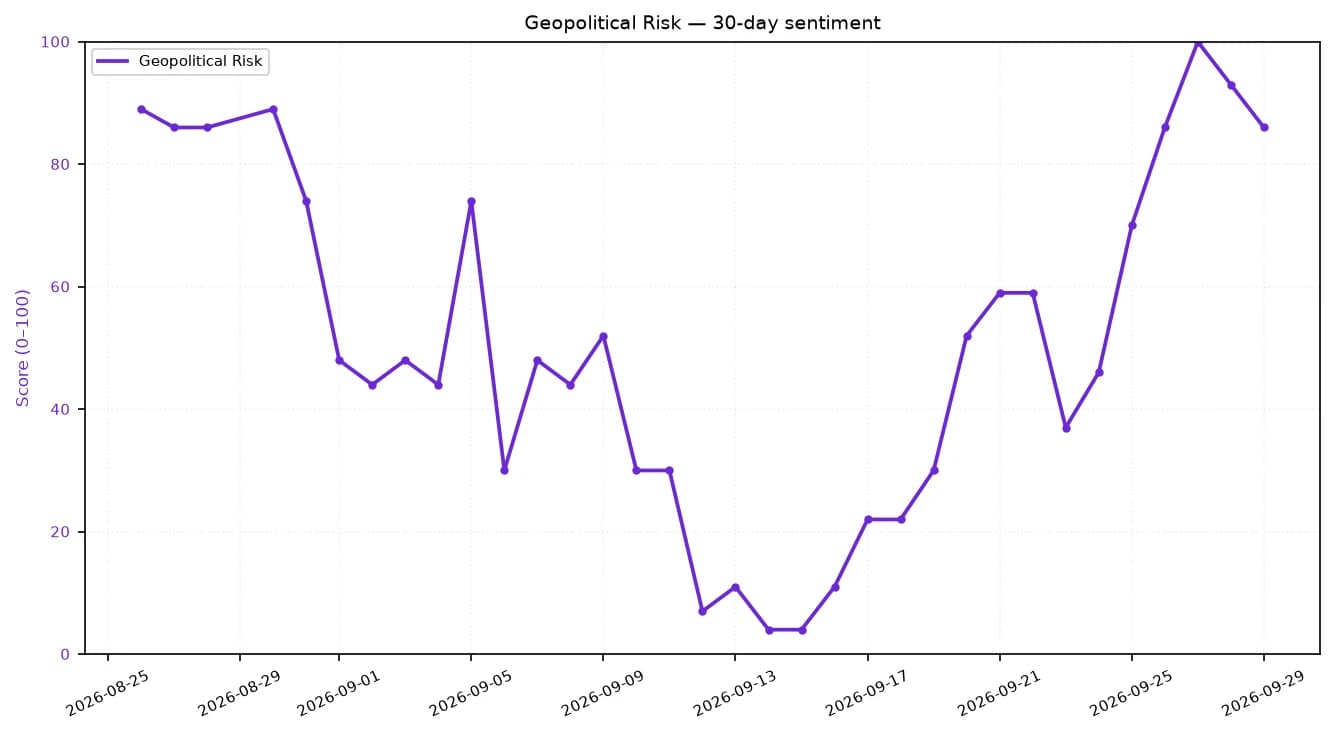
Sentiment IndicatorsⓘProprietary · adalytica.com · September 30, 2026
This is a snapshot — live sentiment, awareness and momentum for 130+ markets update continuously in the dashboard.Open AlphaPulse
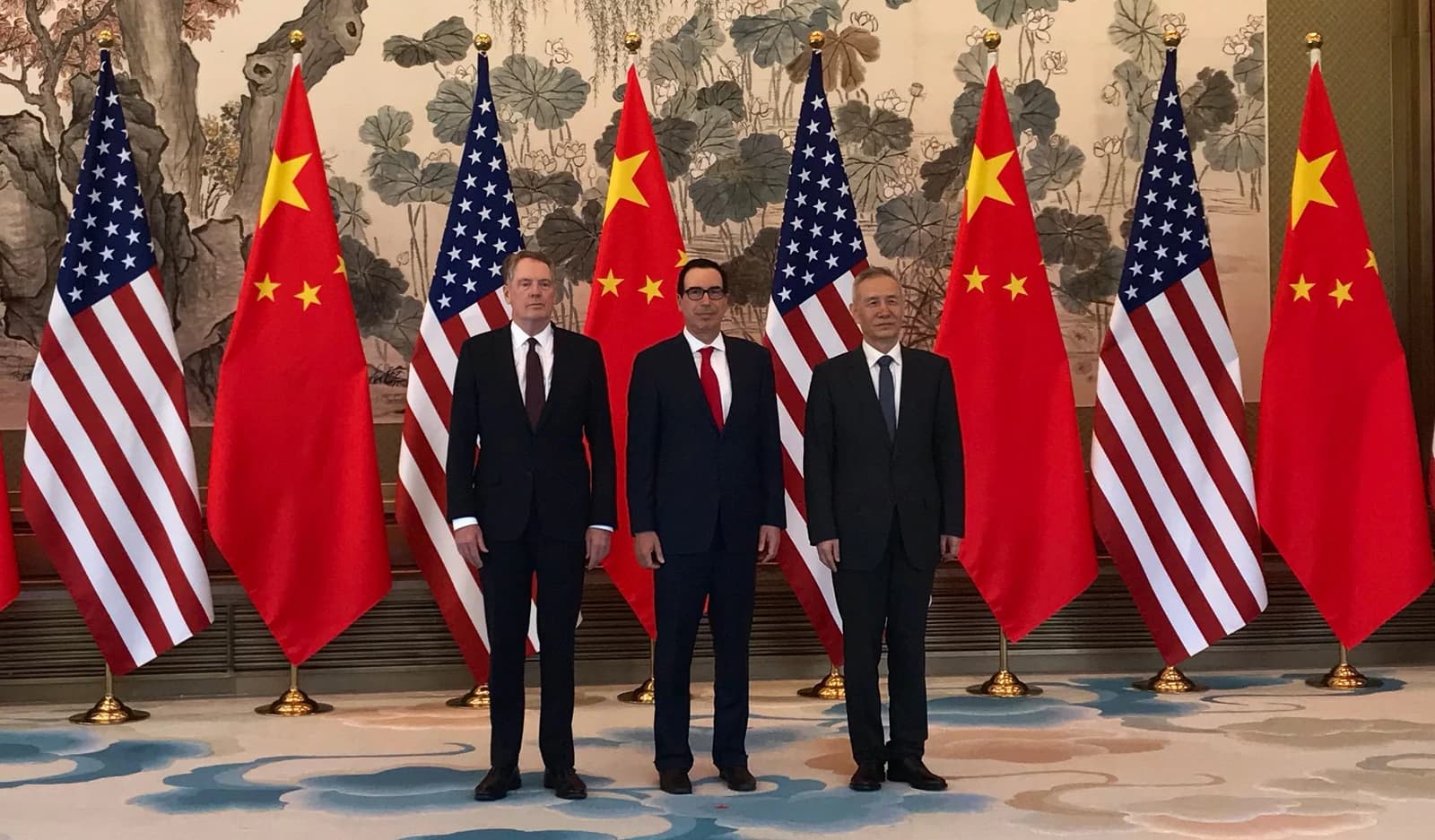
The immediate market story is not just about one weak open. It is about investors refusing to chase stocks before they get clarity on the next phase of U.S.-China relations. Traders are watching the outcome of talks between Washington and Beijing, which could shape trade rules, tariff policy and the operating environment for Chinese and Hong Kong-listed companies. That matters far beyond headlines: any sign of a longer truce or a calmer policy path could improve corporate planning, support valuations and reduce the geopolitical discount built into Chinese assets.
There is also a technical layer to the selloff. The Hang Seng has recently been trading below both its 50-day and 200-day moving averages, a sign that the index has yet to regain durable momentum. Its relative strength index has also remained in weak territory, underscoring how fragile buying interest still is. In plain English, investors are waiting for a reason to believe the market can sustain a rebound rather than just bounce on hopes.
The regional backdrop added to the quiet tone. Mainland China markets were closed for the Mid-Autumn Festival, removing a major source of liquidity and leaving Hong Kong more exposed to external cues from U.S. markets and bond yields. That often amplifies short-term swings, especially when conviction is low and cross-border capital is hesitant.
For long-term investors, the key question is whether this pullback is just another policy-driven wobble or the beginning of a more constructive setup. If U.S.-China talks produce even a modest easing of trade tensions, Hong Kong equities — particularly beaten-down technology and consumer names — could benefit from a lower-risk backdrop. But if yields stay high and diplomacy disappoints, the market may continue to favor caution over aggression.
For now, the message is simple: Hong Kong remains a market where macro headlines still matter more than stock-specific stories. Investors should keep it on the watchlist, not because the story is over, but because clearer trade and rate signals could set up a better entry point for patient buyers.
| Entity | Gains | Losses |
|---|---|---|
| U.S.-China negotiators | ▲More certainty | ▼Pressure to deliver |
| Hong Kong exporters | ▲Trade clarity | ▼Ongoing tariff risk |
| Tech and semiconductors | ▲Easier policy backdrop | ▼Higher-yield headwinds |
| Patient long-term investors | ▲Better entry points | ▼Short-term volatility |