Hong Kong’s benchmark fell to a four-month low as a global tech sell-off and renewed US-China tensions rattled investors, with the Hang Seng Index closing down 1.89% at 22,410.8.
Hang Seng Falls on Tech Selloff and US-China Tensions
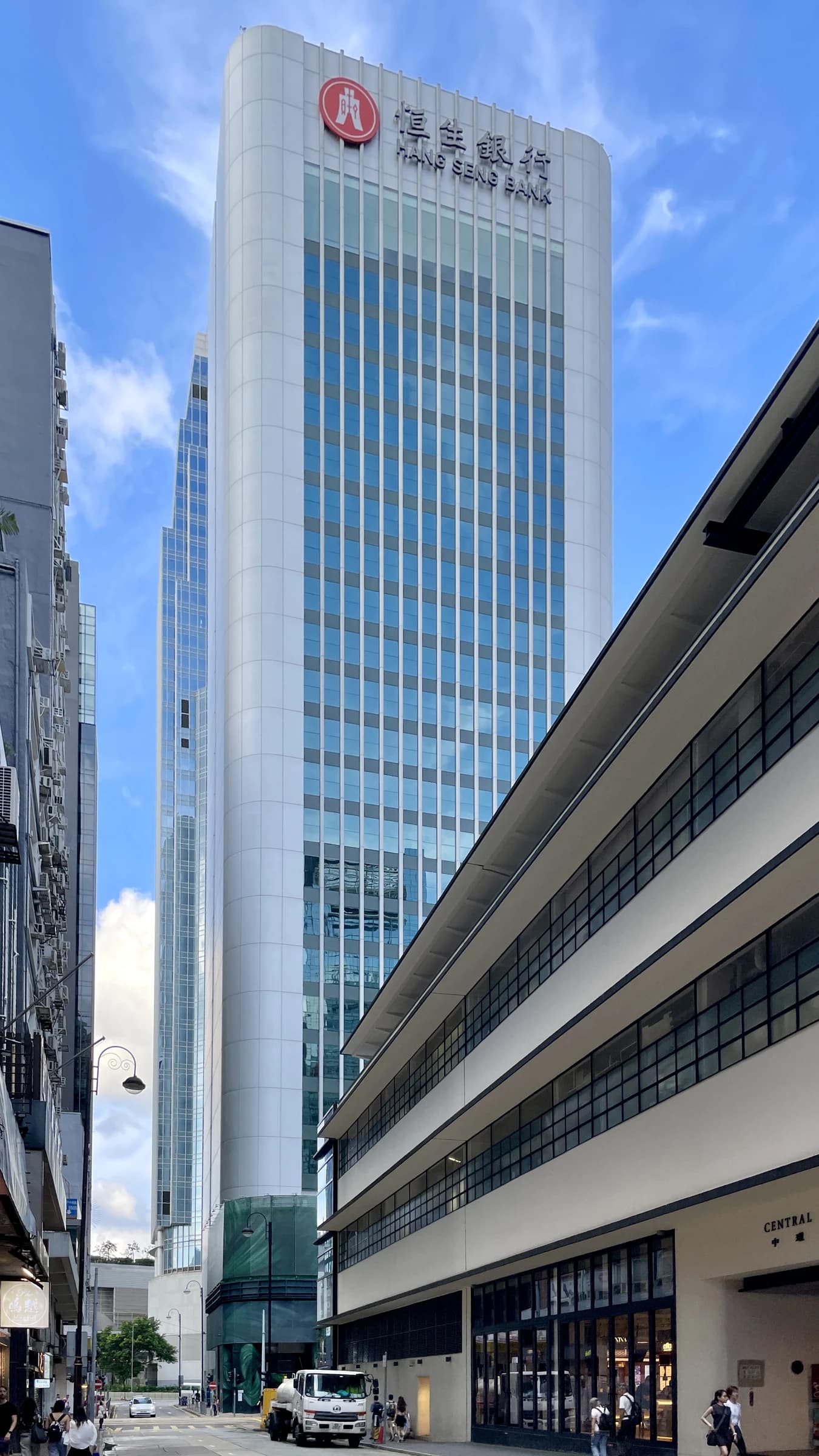
The move matters because Hong Kong is one of the cleanest liquid proxies for China risk, and today’s drop shows how quickly geopolitical friction is feeding into equity valuations. When Washington tightens access to advanced chips and tech sentiment sours in the US, the fallout hits Hong Kong first and hardest, particularly in the sectors that rely on foreign capital, imported technology and stable cross-border policy.
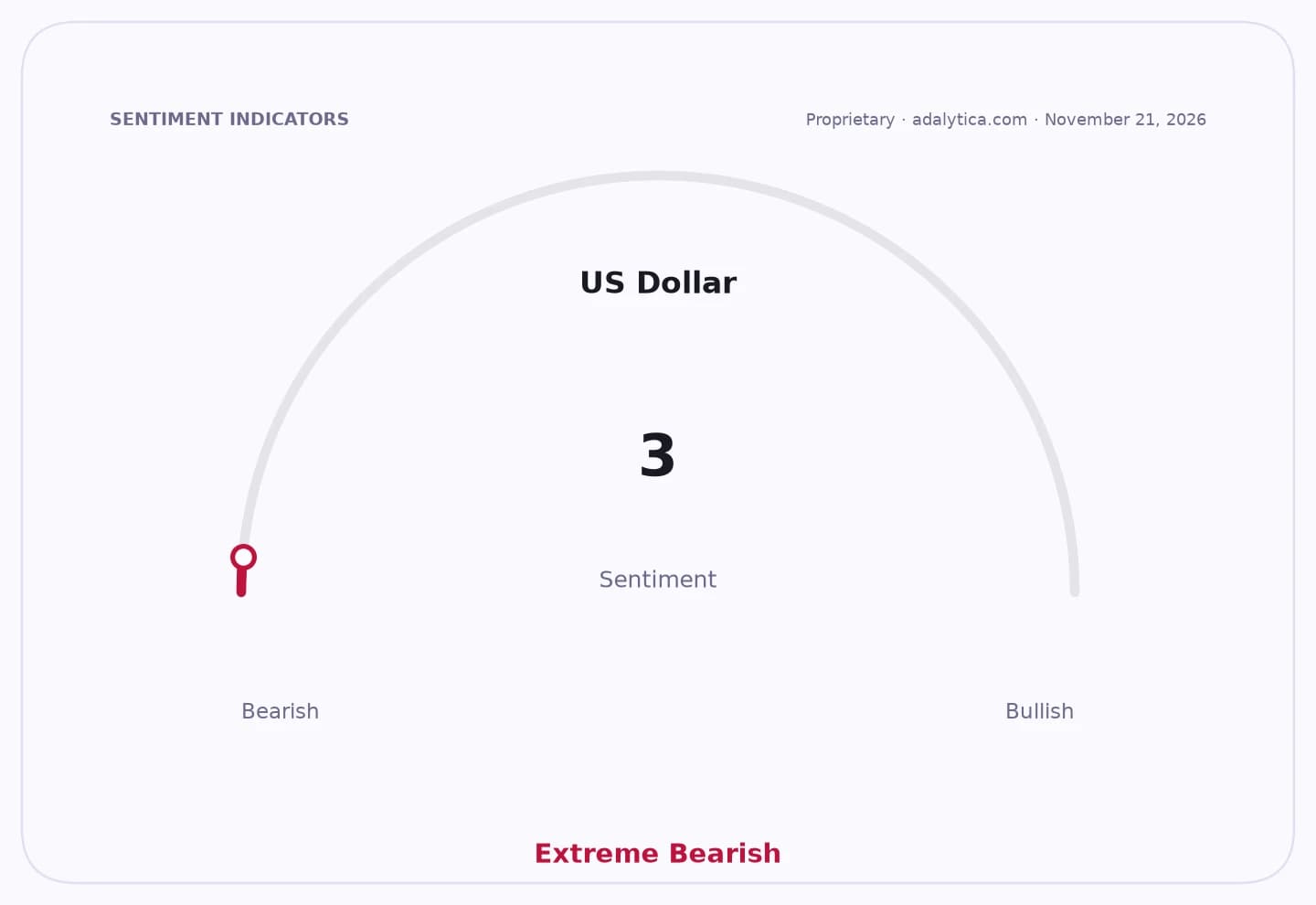
Sentiment Indicators
Geopolitical Risk
The pain was concentrated where it usually is when risk appetite breaks: the Hang Seng China Enterprises Index fell 1.77%, while the Hang Seng Tech Index sank 3.78%, underscoring how vulnerable mainland-linked technology names remain to export controls and policy uncertainty. That tech-heavy weakness also suggests the market is pricing not just another bad session, but a lower multiple for growth assets tied to China’s semiconductor ambitions.
The selloff lines up with broader weakness in China-linked exchange-traded funds. The iShares MSCI China ETF, FXI, closed at 31.23, below its 50-day moving average of 33.65 and 200-day moving average of 35.1, with the relative strength index at 32.0 — a level that points to a market under pressure but not yet fully washed out. The iShares MSCI Hong Kong ETF, EWH, was even weaker, sliding to 22.02 and pushing its RSI to 41.3, while the Vanguard FTSE Emerging Markets ETF, VWO, dropped to 50.62 with its RSI at 30.7, a sign that the broader emerging-market complex is being dragged lower by the same risk-off impulse.
This is where investors should pay attention: the market is not just punishing Hong Kong equities, it is repricing the entire China exposure stack. Banks, property-linked names and consumer cyclicals may eventually stabilize first, but the immediate opportunity — and the immediate risk — sits in technology and other growth sectors most exposed to US restrictions, chip supply shocks and capital flight.
Adalytica’s China Economic Growth Target Sentiment improved to neutral at 54, but that does little to offset the deeper message from the market: global stability sentiment remains in fear territory at 25. In practical terms, that means investors are still demanding a geopolitical discount, and until Washington and Beijing show signs of de-escalation, Hong Kong stocks are likely to remain a battleground rather than a buy-and-forget market.
For long-term investors, the setup is becoming more interesting, not less. Panic in Hong Kong tech and China proxies tends to create the best entries for those willing to wait for policy clarity and a stabilization in semiconductor supply chains. But for now, the tape says the market underestimates how much of China’s equity rebound depends on geopolitics easing — not just earnings recovering.
| Entity | Gains | Losses |
|---|---|---|
| US defensive assets | ▲Safe-haven demand | ▼None from this move |
| Hong Kong tech stocks | ▲None | ▼Multiple compression |
| China-linked ETFs (FXI, EWH) | ▲Potential future rebound buyers | ▼Near-term selling pressure |
| US-China policy doves | ▲Case for de-escalation | ▼Hawks and risk assets |