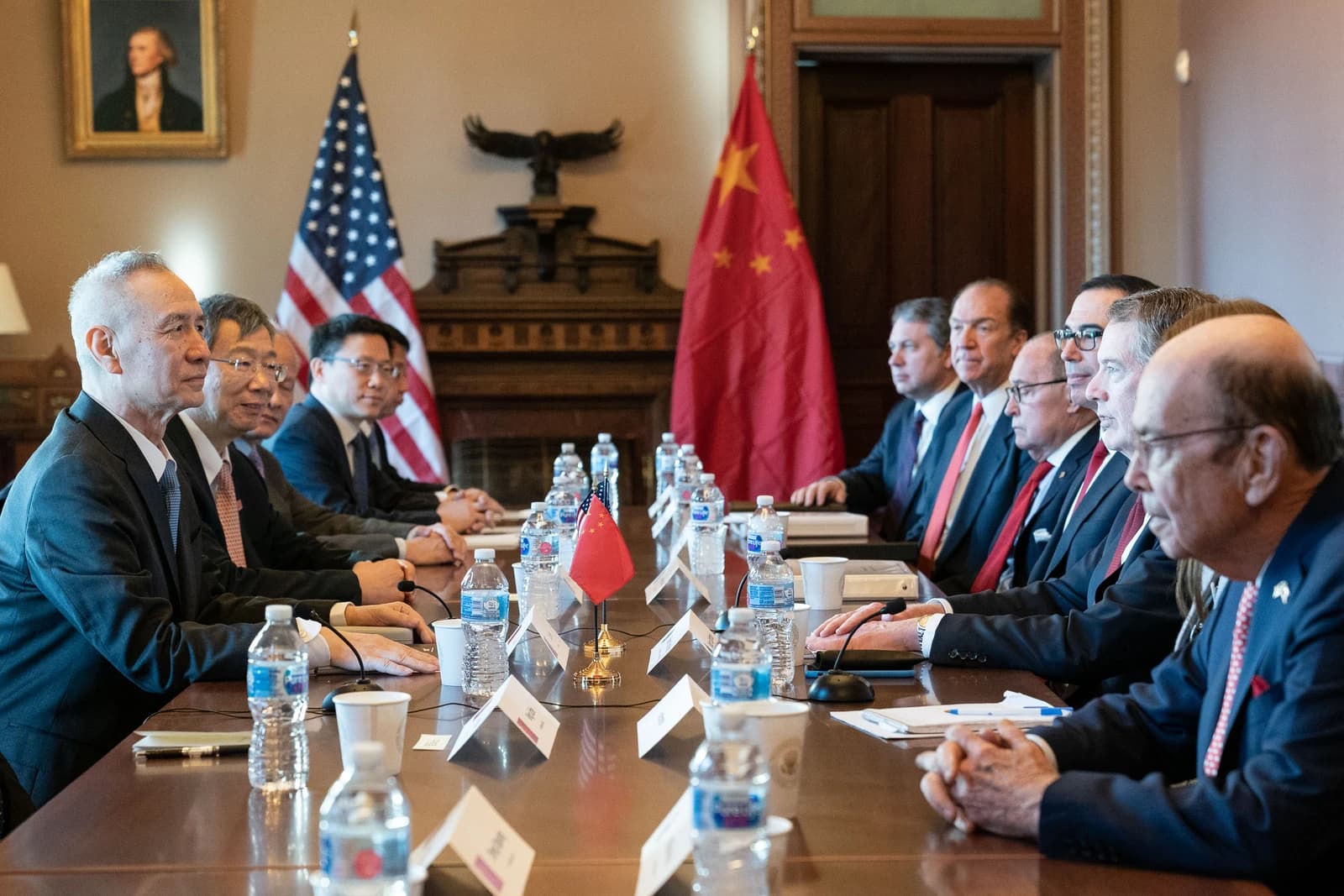
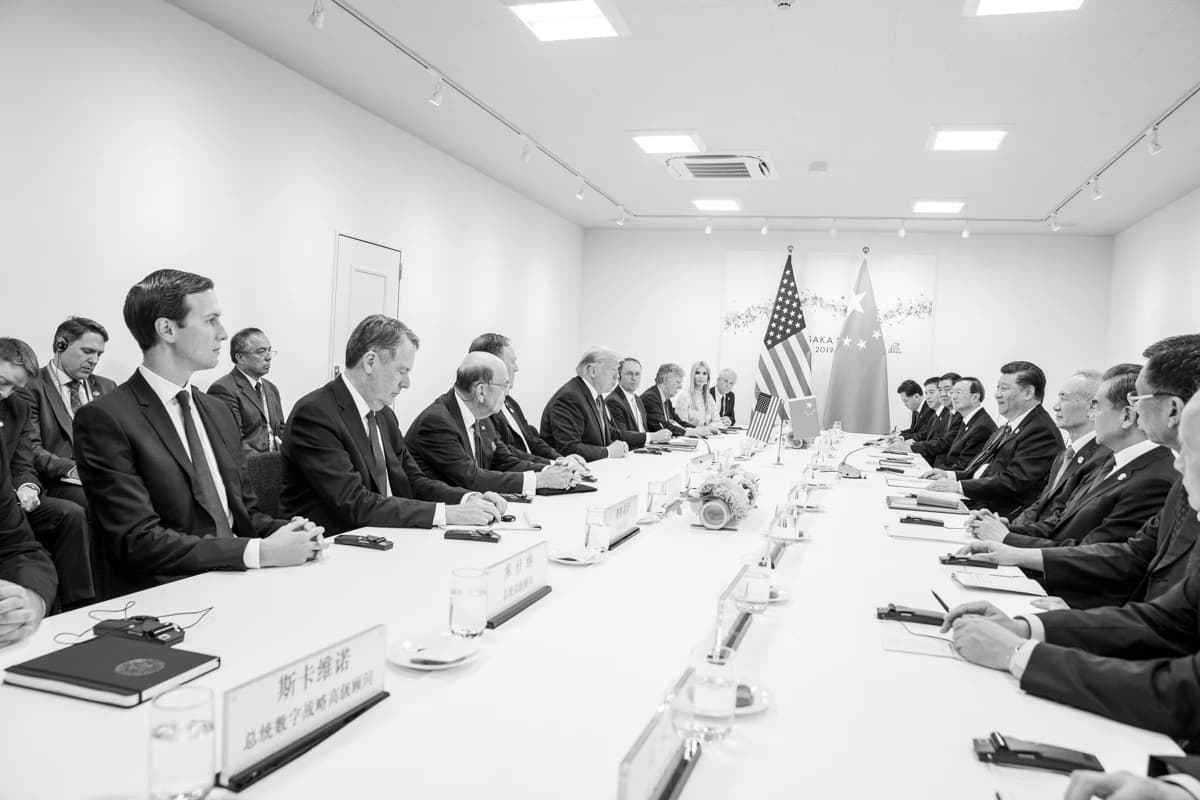
President Donald Trump’s Asia trip is shaping up as a market-moving test of whether Washington and Beijing can ease trade tensions just enough to keep critical supply chains, and investors, from getting worse off.
Trump Asia Trip Focuses on Rare Earths Trade
That matters because rare earths sit at the heart of modern manufacturing, from electric vehicles and semiconductors to defense systems. China’s grip on the market is giving it unusual leverage, and the latest evidence shows how powerful that leverage can be: profits at leading Chinese rare earth producers have surged as supply restrictions tightened global availability. For investors, that means any hint of a trade thaw could pressure pricing power in the sector, while a failure to secure even a limited deal would keep the squeeze on U.S. manufacturers and their suppliers.
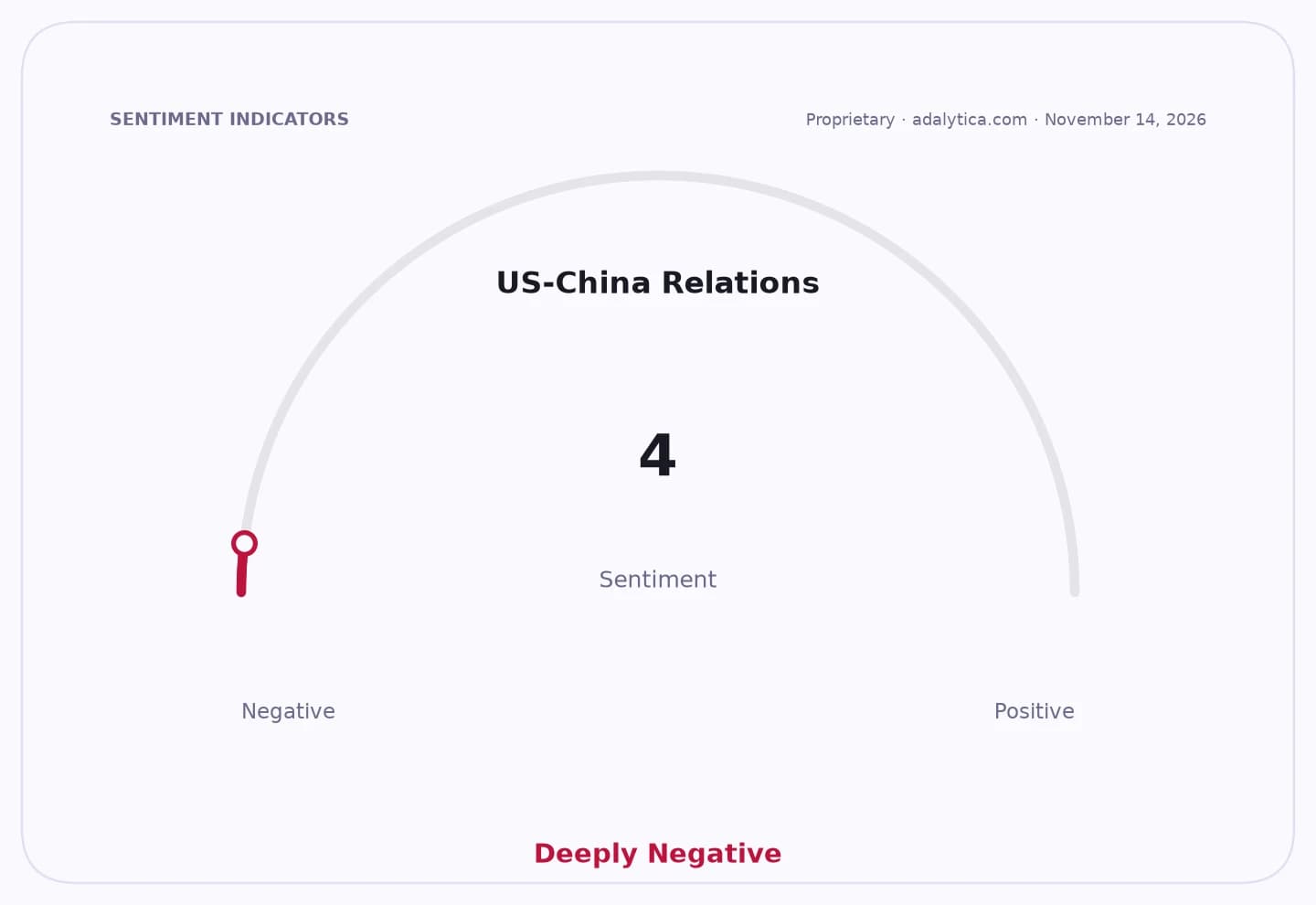
Sentiment Indicators
US-China Relations
The trip’s first-day focus on a trade deal, rare earths and a revived Quad comes as global risk appetite is already fragile. Adalytica’s Global Stability Sentiment is at 4, or “Extreme Fear,” while its U.S.-China Relations Sentiment sits at 14, also “Extreme Fear,” even as awareness of the issue is high. That is the kind of backdrop that can magnify headlines into real market moves, especially in commodities, industrials and defense-related stocks.
The market has already been telling a story of scarcity and strategic dependence. MP Materials, one of the best-known U.S. rare earth names, has seen its shares fall to $34.86 from recent peaks above $70, even after sharp swings this year that show how sensitive the stock remains to policy and pricing expectations. The iShares MSCI Global Metals & Mining Producers ETF, REMX, has also been hit hard, closing at $45.95 on Nov. 17, well below its 50-day moving average and its 200-day line. That tells you investors are no longer paying up for the sector the way they were when the rare earth narrative was peaking.
Geopolitical Risk vs REMXadalytica.com
Explore this data interactively — full history, time series and cross-market comparisons.
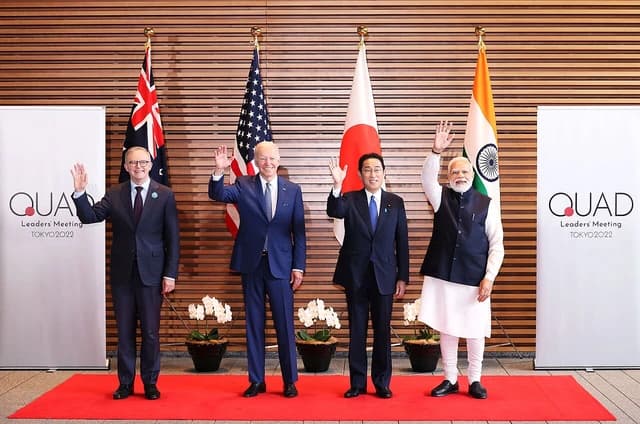
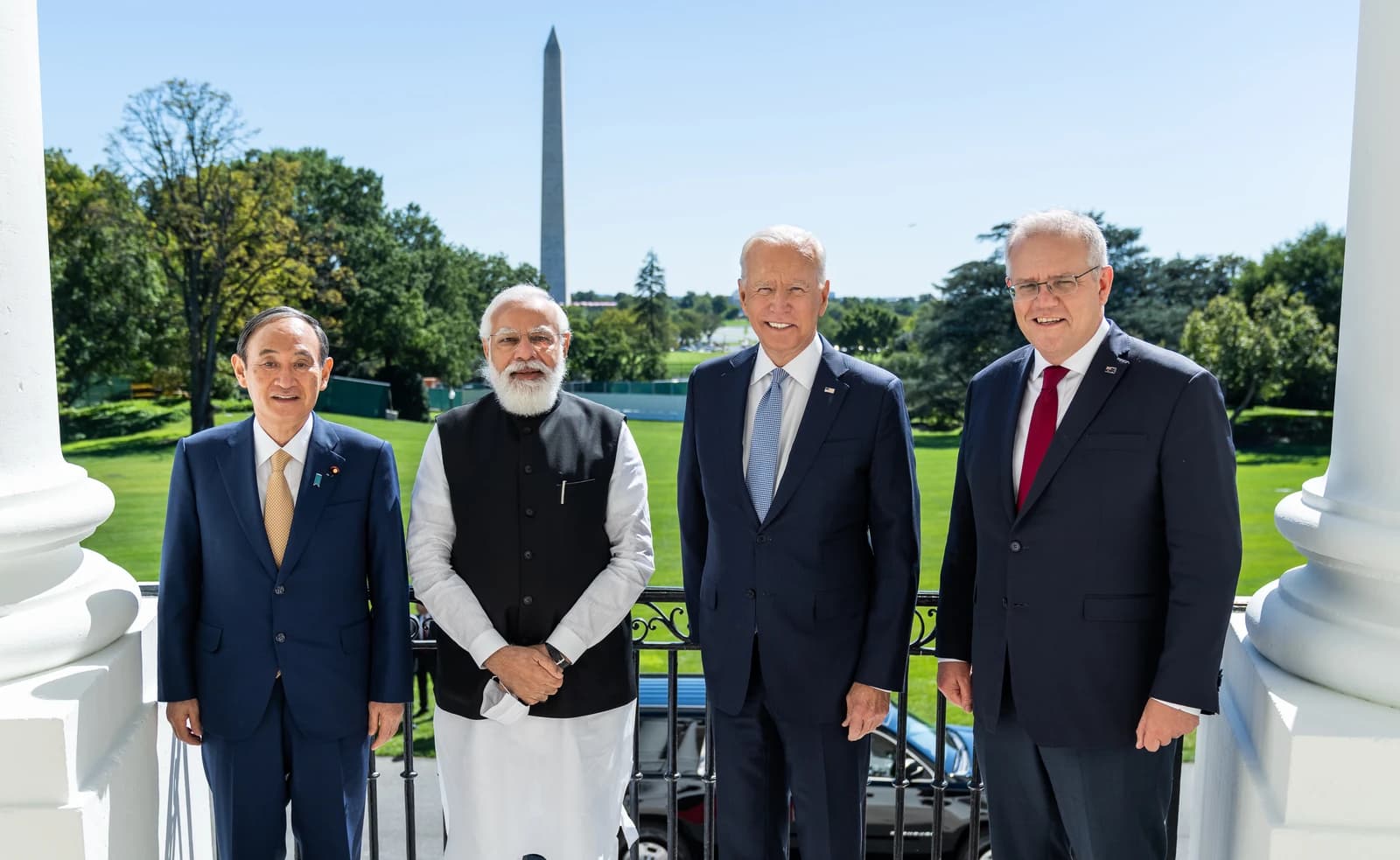
Still, the bigger investment case has not gone away. Rare earths are not a fad trade; they are a strategic input with long-duration demand. If Washington wants to reduce vulnerability, it needs more than rhetoric. It needs permitting reform, processing capacity and allied supply chains that can compete with China’s dominance. That is why a revived Quad matters economically as well as geopolitically: a stronger U.S.-Japan-Australia-India framework can support diversification away from China over time, even if it does not solve the problem overnight.
For investors, the lesson is simple. Trade diplomacy can move prices, but structural supply constraints determine who wins over a full cycle. China still has the upper hand in rare earths, and that makes the sector volatile and politically sensitive. Long-term investors may want to keep MP Materials, REMX and other critical-minerals names on the watchlist, but only with a clear understanding that policy headlines can whipsaw returns before the secular story has a chance to play out.
| Entity | Gains | Losses |
|---|---|---|
| China rare earth producers | ▲Higher prices | ▼Pressure if talks ease restrictions |
| U.S. manufacturers | ▲Supply relief from a deal | ▼Costs stay elevated without one |
| MP Materials and peers | ▲Policy support, long-term demand | ▼Volatility from trade headlines |
| REMX investors | ▲Upside from scarcity narrative | ▼Weakness if pricing cools |