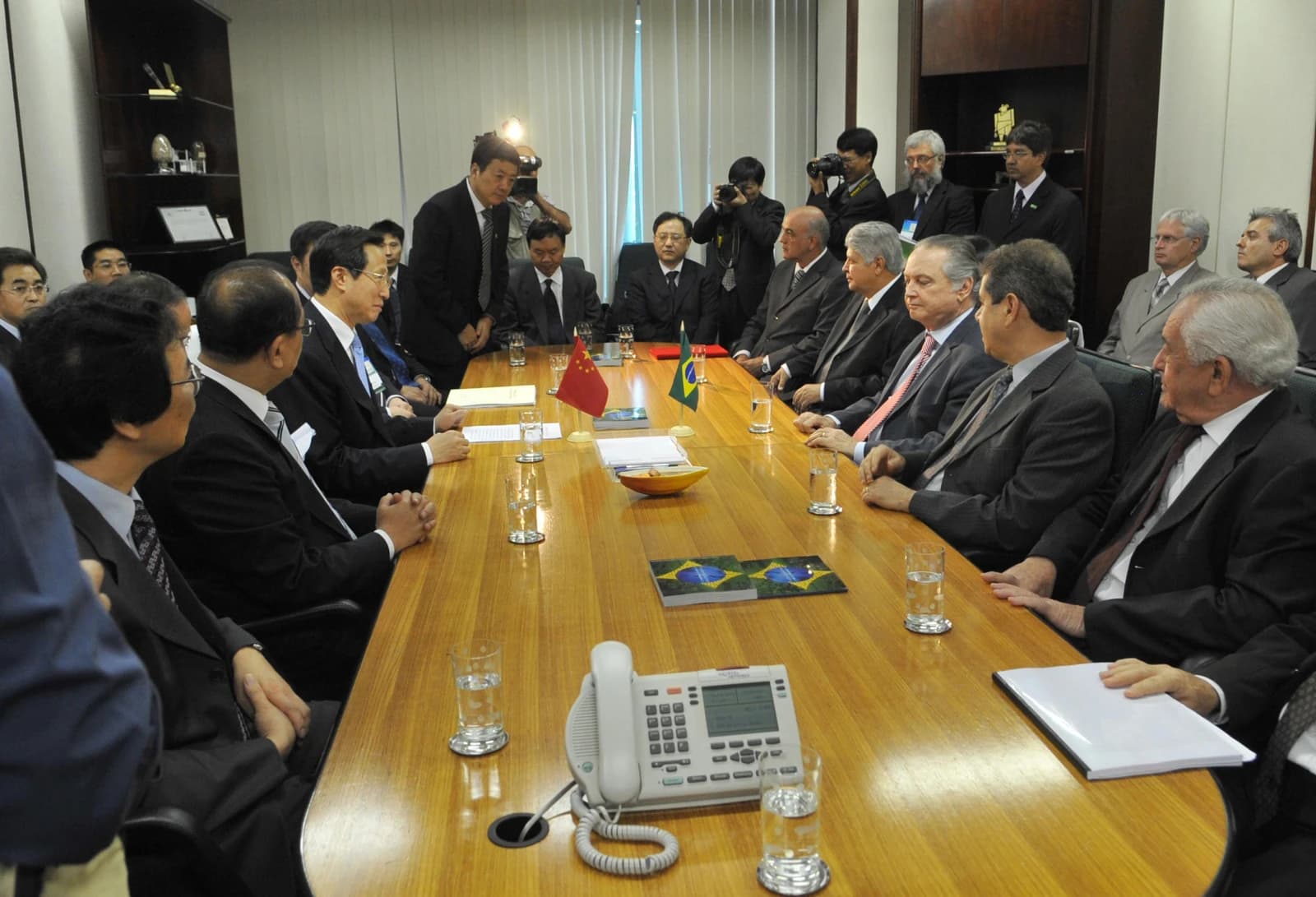
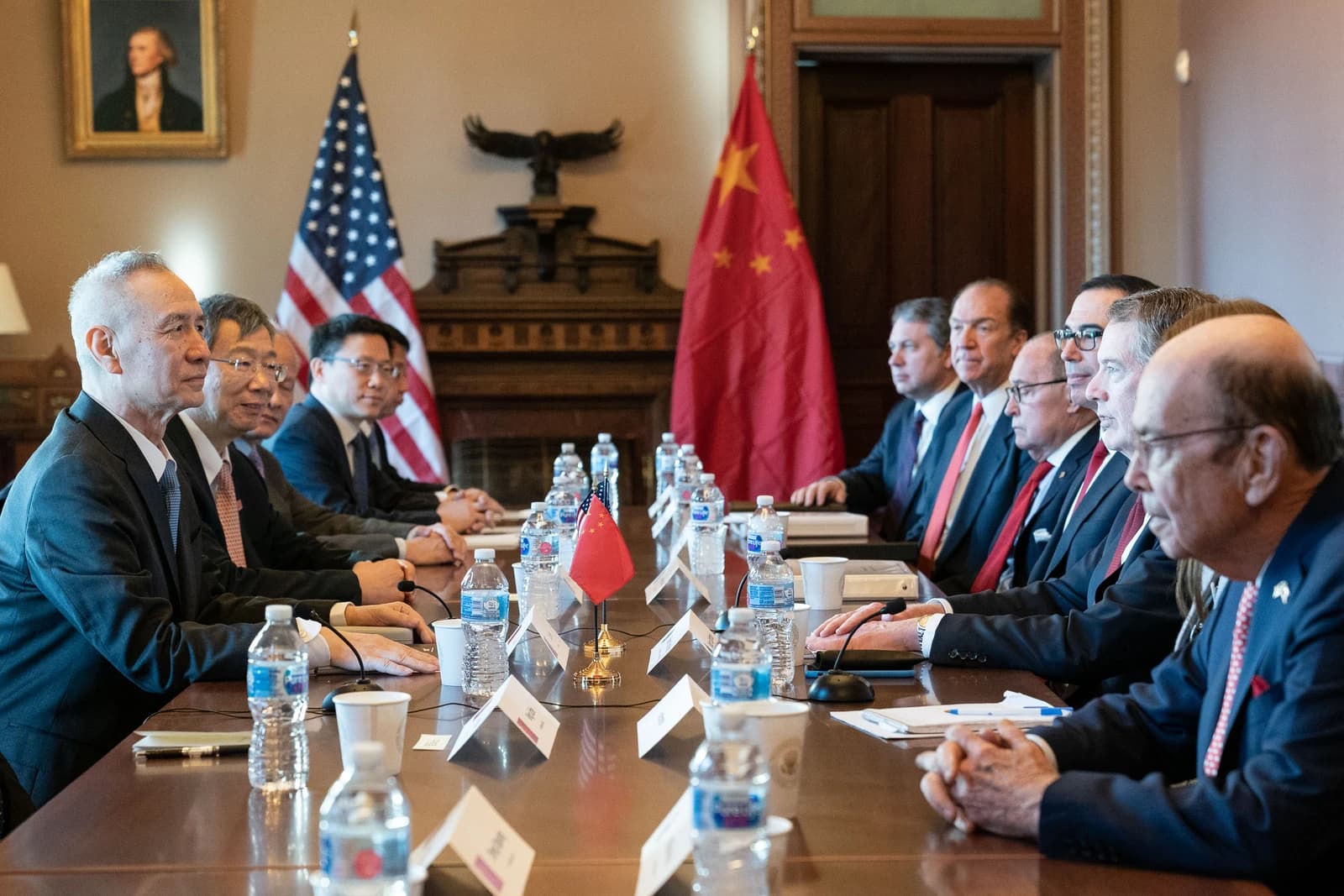
Brazil once led the world in rare earth separation, but it surrendered that advantage to China — and the fallout is now creating one of the clearest geopolitical investment opportunities in critical minerals.
MP Materials and Brazil Rare Earth Rebuild

The economic significance is bigger than a history lesson. Rare earths sit inside the magnets that power electric vehicles, wind turbines, advanced electronics and defense systems, so control over the supply chain is control over a strategic chokepoint. China now dominates the industry where it matters most: it accounted for 91% of global refining for rare earths used in magnets and 94% of sintered permanent magnet output in 2024. That level of concentration gives Beijing pricing power, industrial leverage and an escalation tool in trade disputes.
Sentiment Indicators

For investors, that leaves the rest of the world racing to rebuild capacity — and few names are as directly exposed as MP Materials, the U.S. rare earth producer. The stock has been whipsawed, but the larger thesis is intact: Western governments and industrial buyers cannot afford to remain dependent on Chinese processing. MP’s recent trading has reflected that tension, with the shares sliding from above $60 earlier this year to $38.76 on Nov. 13, still below the 200-day moving average at $53.72 but off the $36.73 low a day earlier. Momentum indicators are improving, with RSI recovering to 53.3 and the MACD turning less negative, hinting that the market may be starting to price in a more durable strategic premium.
The deeper narrative is that Brazil did not lose rare earth leadership because it lacked the science. It lost it because it broke the chain between laboratory research, industrial scale and long-term state policy. Pawel Krumholz and the Orquima team had already pioneered industrial separation and purification decades before China built its modern dominance. Brazil exported high-purity europium and even supplied material for nuclear applications in the U.S. Navy’s USS Nautilus. But then the state nationalized the business, priorities shifted toward nuclear policy, and the country let commercial continuity collapse.
Geopolitical Risk vs MPadalytica.com
Explore this data interactively — full history, time series and cross-market comparisons.
Geopolitical Risk
China did the opposite. It turned chemistry into a national industrial system and kept each generation of process knowledge feeding the next. That is why it now controls the full rare earth stack, from mining to refining to magnets. And that is why Brazil is scrambling back into the race, with state-backed projects such as LabFabITR, Cetem’s refining work and the MagBras initiative trying to rebuild a chain that should never have been lost.
That matters for markets because the next winners may not be the mine owners alone. The real value sits in separation, metals, alloys, magnets and recycling — the toll roads of the rare earth economy. If Brazil can rebuild even part of that chain, it could become a meaningful non-Chinese node in a sector the world desperately needs to diversify. If it cannot, the strategic premium will keep accruing to China and to the few Western companies positioned as substitutes.
China’s own policy backdrop only sharpens the opportunity. Adalytica’s China economic growth target sentiment is at 100, or “Extreme Greed,” while global stability sentiment has fallen to 36, reflecting a market that is increasingly alert to supply-chain fragility and geopolitical risk. That is exactly the kind of environment where critical minerals can re-rate quickly when governments move from rhetoric to procurement.
For now, the investable takeaway is clear: the rare earth story is no longer just about mining. It is about processing sovereignty, magnet capacity and the winners that sit closest to industrial bottlenecks. MP Materials remains the cleanest public-market expression of that thesis, but the bigger opportunity is in any company or ETF that owns the midstream choke points the market still underprices.
| Entity | Gains | Losses |
|---|---|---|
| MP Materials | ▲U.S. supply-chain premium | ▼Chinese processing dominance |
| China | ▲Strategic pricing power | ▼Western diversification efforts |
| Brazil’s rare earth rebuild | ▲Industrial-policy revival | ▼Historical lost leadership |
| EVs, wind and defense makers | ▲Supply diversification | ▼Dependence on China |