Brazil’s critical and strategic minerals industry employed 129,423 people in 2025, giving the sector a bigger labor footprint than investors may expect and underscoring its rising economic importance as the country pushes to monetize mineral resources tied to energy transition and industrial supply chains.
Brazil critical minerals jobs rise to 129,423 in 2025
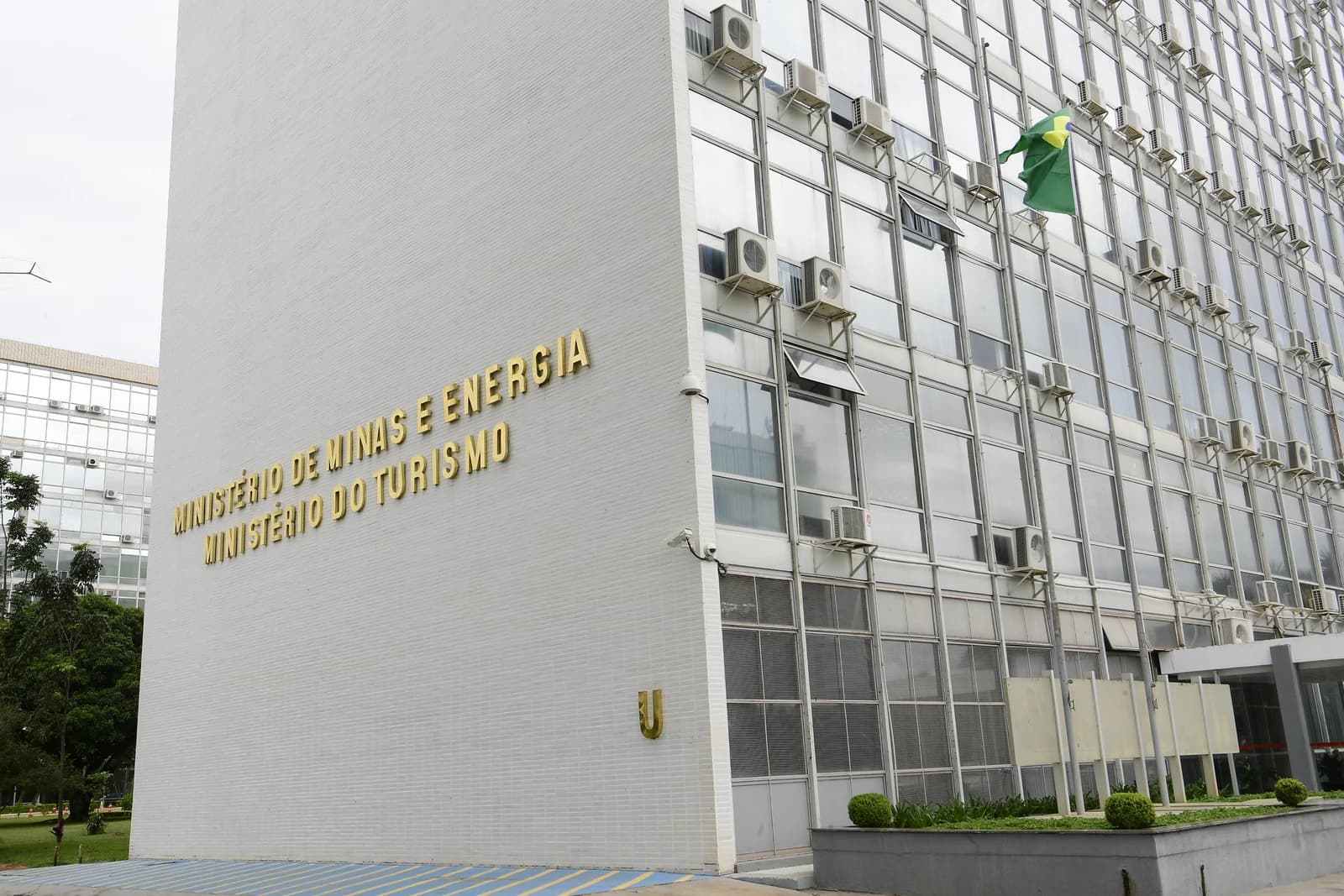
The figure equals 57% of Brazil’s 226,634 mining-extraction jobs, according to the National Mining Agency, or ANM, which on Wednesday launched a dedicated portal for sector data. The agency said employment linked to critical and strategic minerals rose 8.6% from 2023 to 2025, signaling that the segment is expanding faster than a mature commodity backdrop might suggest.
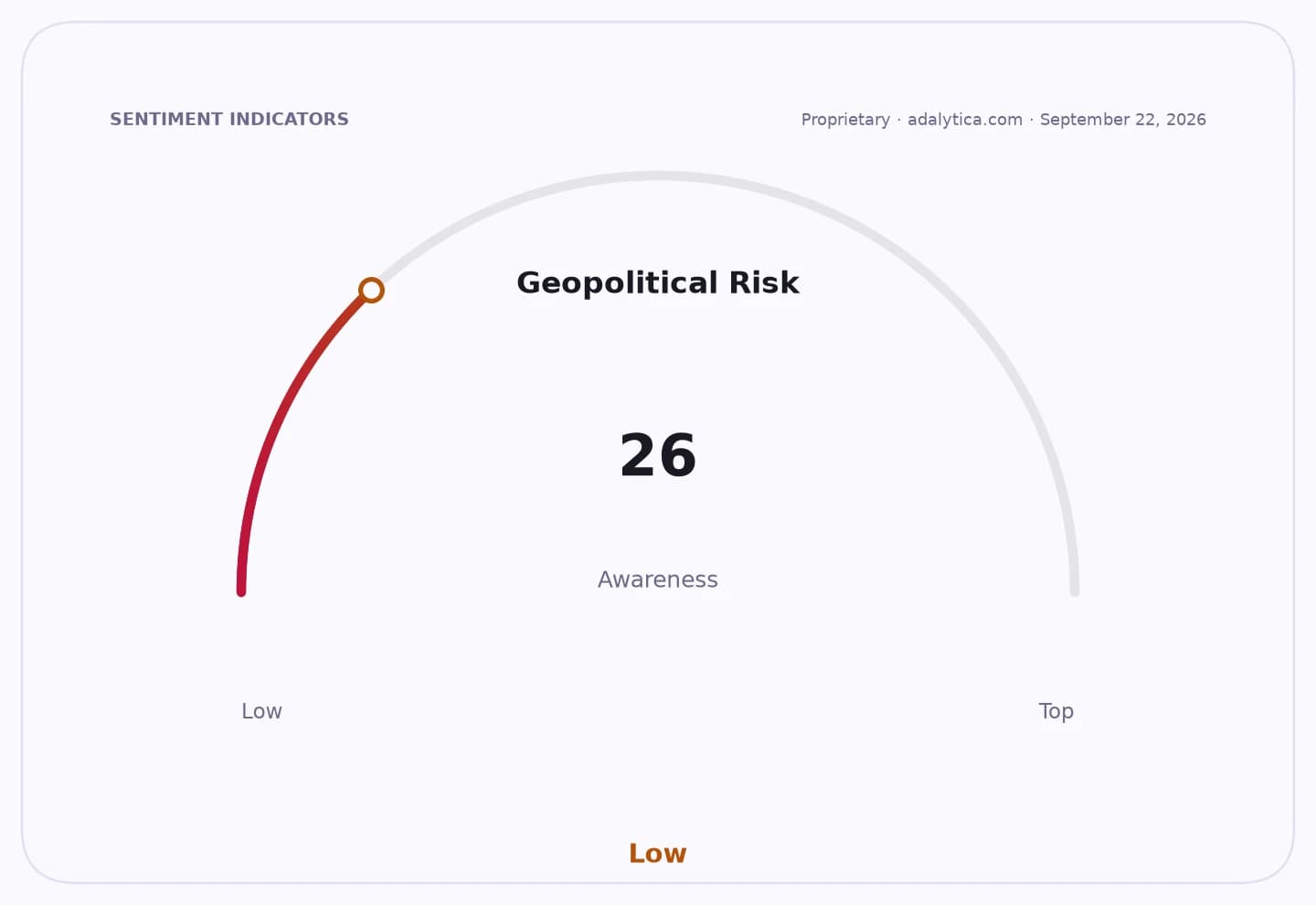
Sentiment IndicatorsⓘProprietary · adalytica.com · October 17, 2026
This is a snapshot — live sentiment, awareness and momentum for 130+ markets update continuously in the dashboard.Open AlphaPulse
The jobs data matters because it puts hard numbers on a part of the mining industry that is increasingly central to policy, investment and export strategy. Brazil has been positioning itself as a supplier of minerals used in batteries, electrification and other industrial applications, and a larger, more skilled workforce points to a sector moving beyond simple extraction toward more complex, higher-value operations.
ANM’s portal also shows the sector is relatively skilled. Of the workers counted, 51,714 are in qualified roles and 30,707 have university degrees, with higher education workers earning a median 11,856.16 reais a month in 2025 versus 3,218.08 reais for those with only primary schooling and 4,142.24 reais for those with secondary education.
The geographic spread highlights where the economic benefits are concentrated. Parauapebas in Pará leads with 8,234 jobs, followed by Nova Lima in Minas Gerais with 8,218 and Congonhas with 7,114. Nova Lima also has the largest number of university-educated workers among the three, a sign that the industry’s most advanced roles are clustered in established mining hubs.
For investors, the data reinforces the strategic case for Brazilian miners and suppliers tied to critical minerals, especially as global demand for copper, nickel, lithium, graphite and rare earths remains linked to the energy transition. The market backdrop is less supportive for broad mining sentiment, however: Vale shares were trading at 13.06 on the latest data, below their 50-day and 200-day moving averages, while volumes remained elevated, suggesting caution after a volatile stretch.
The sector’s expansion also comes against a more fragile operating backdrop in Brazil, where severe weather has recently exposed infrastructure risks in other parts of the country. That combination of resource opportunity and physical vulnerability is likely to keep policy attention on logistics, permitting, disaster preparedness and local investment as Brazil tries to turn mineral reserves into durable economic gains.
| Entity | Gains | Losses |
|---|---|---|
| Brazil’s critical minerals sector | ▲More jobs, higher skill base | ▼Greater scrutiny on infrastructure and permits |
| Mining towns such as Parauapebas, Nova Lima and Congonhas | ▲Local employment and income | ▼Exposure to commodity cycles |
| Vale and other miners | ▲Strategic relevance in energy-transition supply chains | ▼Near-term market skepticism and volatility |
| Workers with higher education | ▲Higher median pay | ▼Lower-skilled labor share in the sector |