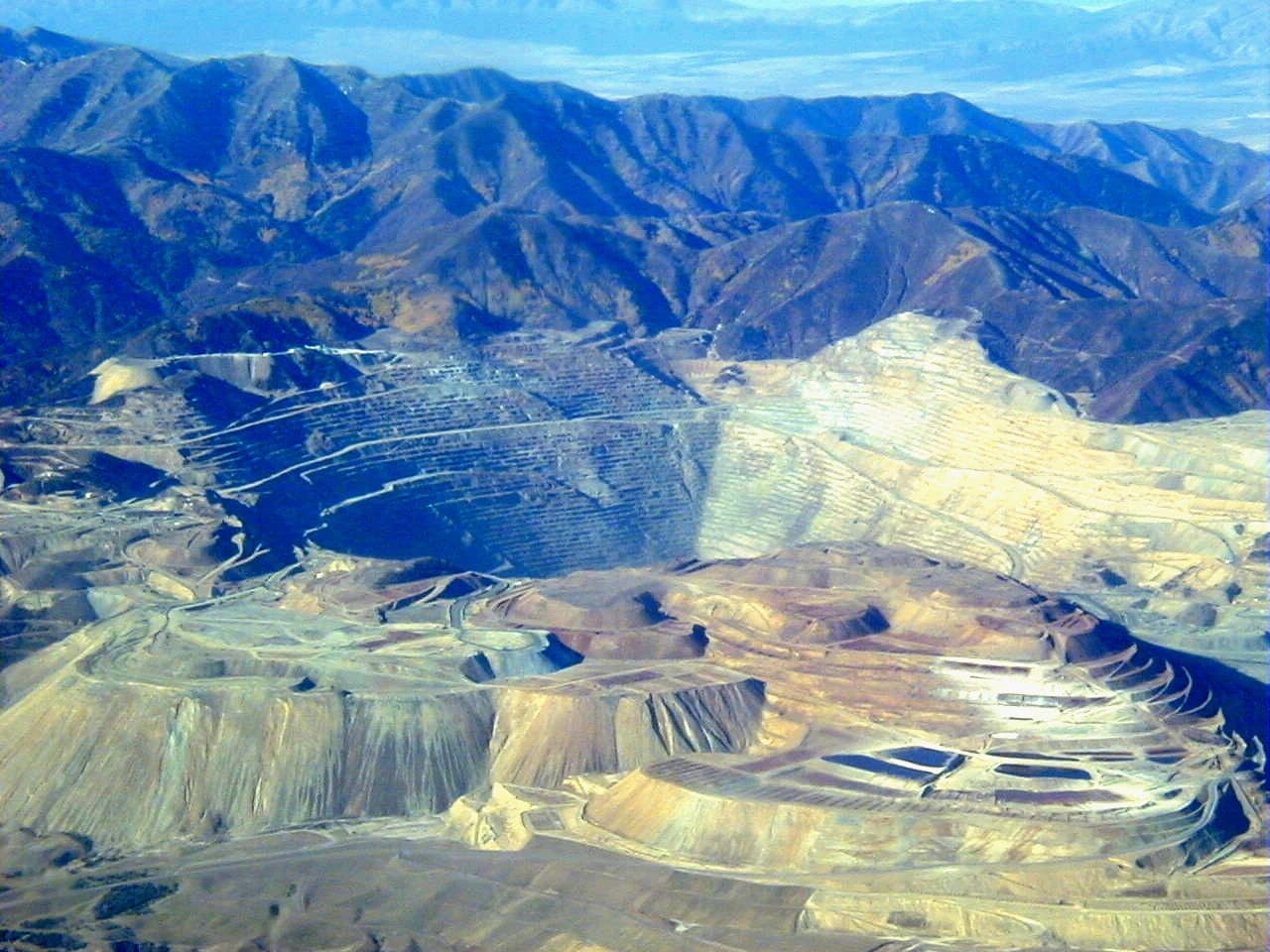
Peru’s mining industry has become an even more important engine for the economy, with direct employment hitting a record 293,742 jobs in July, a sign that one of the country’s most reliable growth sectors is still expanding even as global miners face a more uneven backdrop.
Peru mining jobs hit record 293,742 in July
For investors, the headline is not just that mining is creating jobs. It is that Peru’s mining complex continues to convert high commodity demand into payrolls, local spending and tax revenue at a scale that matters for the country’s broader economic stability. The July total was up 0.9% from June and 9.8% from a year earlier, according to the Energy and Mines Ministry, which means the sector is still adding momentum rather than merely holding steady.
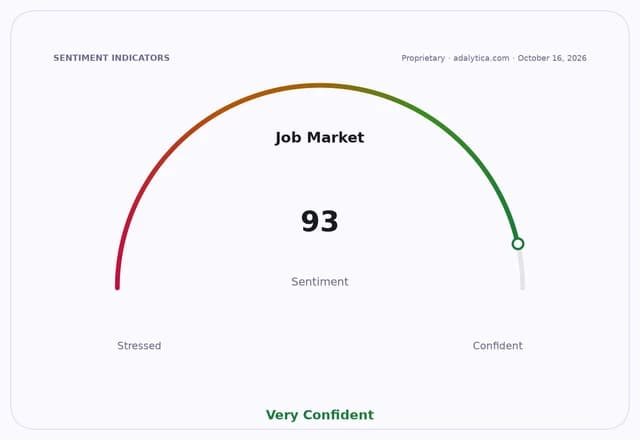
Sentiment IndicatorsⓘProprietary · adalytica.com · October 16, 2026
This is a snapshot — live sentiment, awareness and momentum for 130+ markets update continuously in the dashboard.Open AlphaPulse
That matters because mining is one of Peru’s key transmission channels from the global economy into domestic growth. When output, investment and contractor activity rise, the benefits ripple through regions such as Arequipa, Moquegua and La Libertad, which posted the largest employment figures in July. Contractors accounted for 72.8% of all mining jobs, underscoring how deeply the sector supports not only operators but also the service firms, logistics providers and suppliers that cluster around large projects.
There is also a useful signal here for long-term investors in the mining value chain. The data suggest a sector that is still capable of scaling without requiring a dramatic new mine-build cycle. The average mining workforce through July rose to 284,867, up 7% from the 2025 annual average, while female participation reached 24,872 jobs, or 8.5% of the total. Those are modest numbers relative to the whole labor market, but they point to a sector with room to deepen its economic footprint over time.
The record comes against a broader global mining backdrop that is more mixed than the Peruvian payroll numbers alone imply. Large diversified miners such as BHP and Rio Tinto have seen their shares move sharply over recent months as investors weigh copper strength, iron ore volatility and capital spending demands, while U.S. producer Freeport-McMoRan remains tied to copper pricing and expansion of its own mines. For Peru, though, the story is simpler: as long as demand for copper and other critical minerals stays firm, mining should remain a durable source of jobs, investment and foreign exchange.
For investors, that makes Peru’s mining economy worth watching as a long-cycle play rather than a quick trade. A record employment print does not guarantee smooth growth, but it does show the sector is still compounding its importance to the national economy. That is the kind of trend patient investors can use to build conviction in miners, contractors and the regions that serve them.
| Entity | Gains | Losses |
|---|---|---|
| Peruvian miners | ▲Record jobs | ▼Labor shortages pressure |
| Mining contractors | ▲Bigger share of payrolls | ▼Margin pressure from growth |
| Peru’s regions | ▲More local income | ▼Dependence on mining cycle |
| Global miners | ▲Stronger copper backdrop | ▼Higher operating and capital costs |