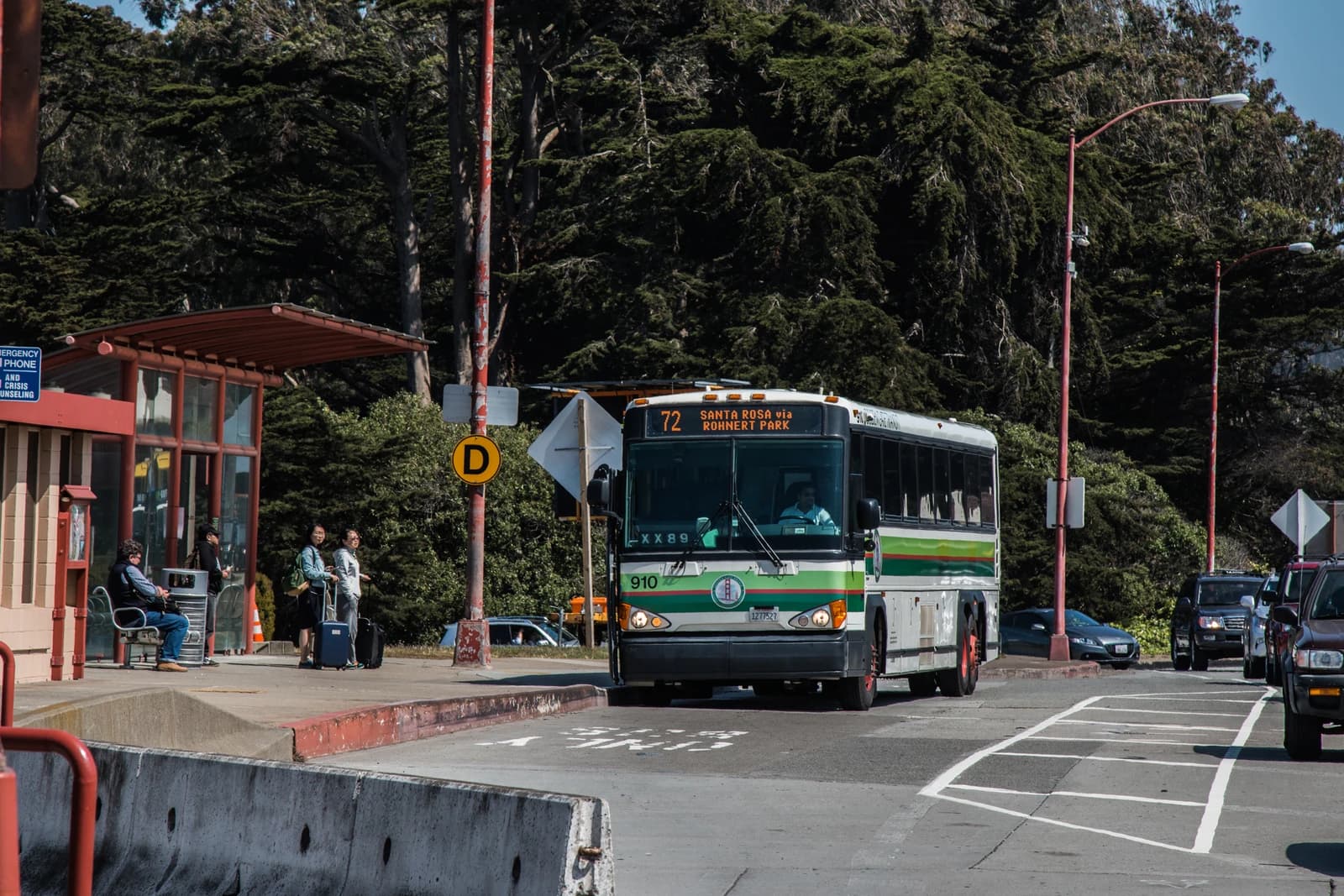
Hanoi is moving to underwrite two new mini electric bus routes with 42.4 billion dong a year in subsidies, a signal that the capital is shifting from pilot projects to the more expensive, operational phase of its urban transport electrification push.
Hanoi plans subsidies for two electric mini bus routes
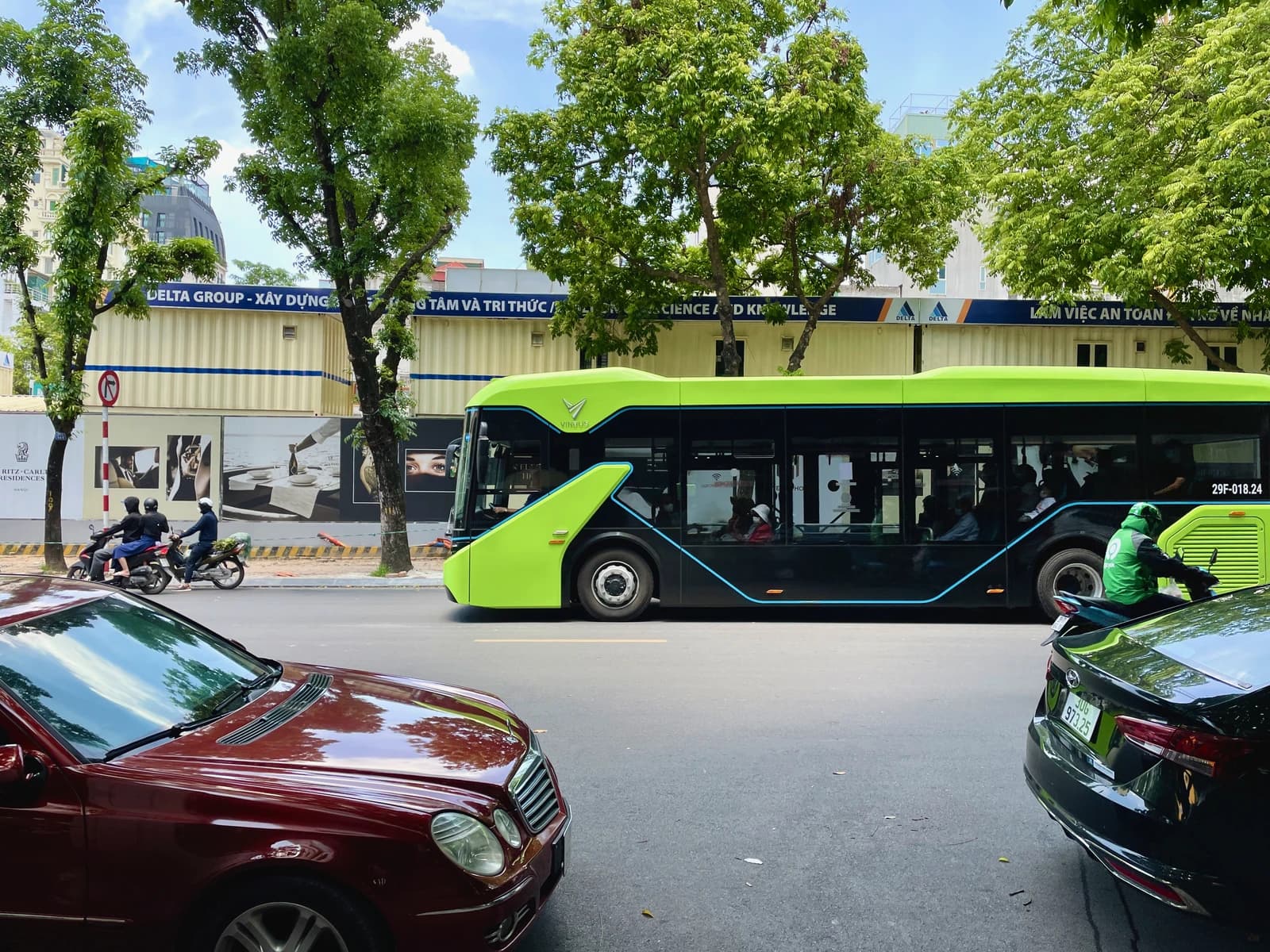
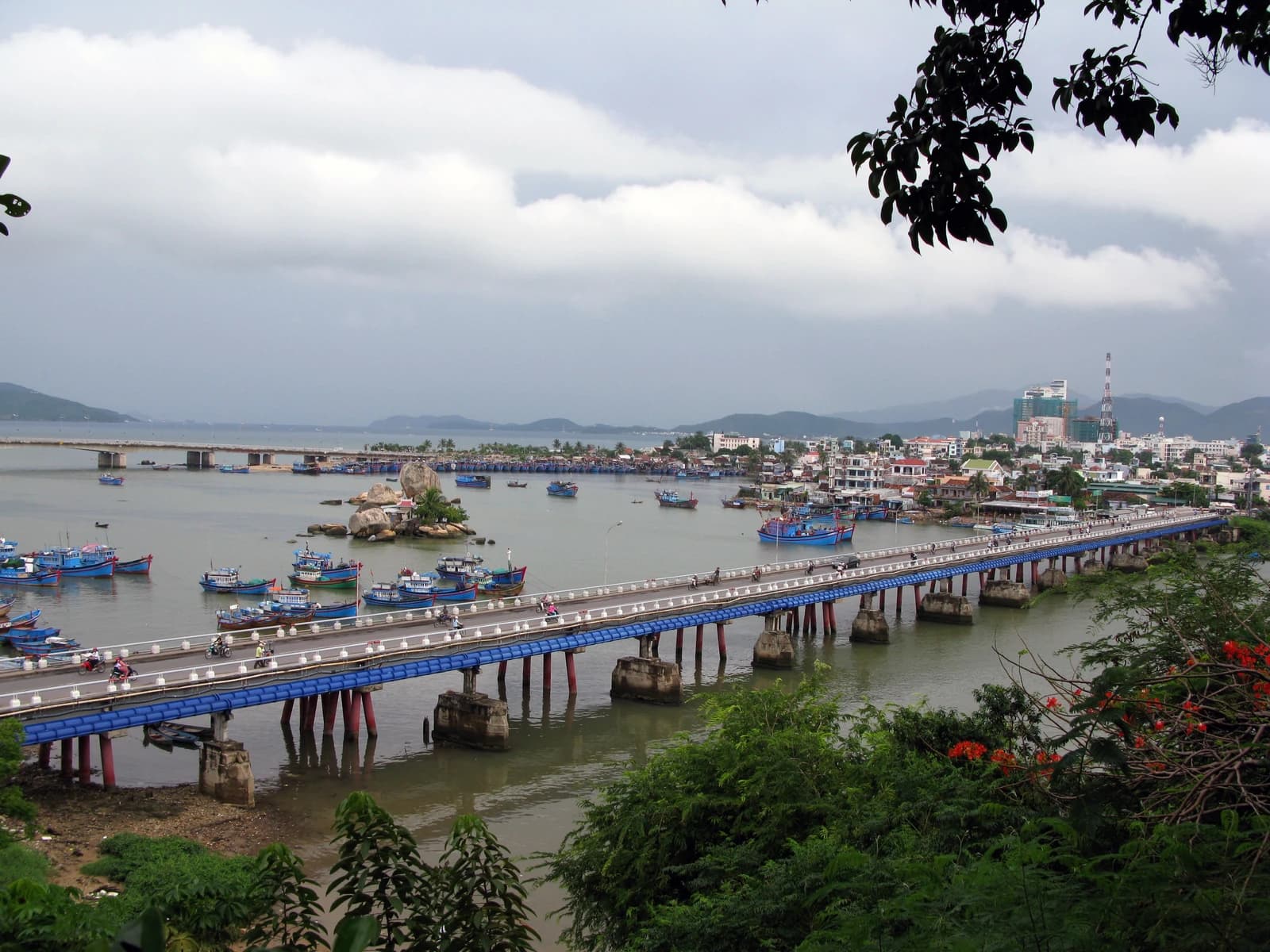
The plan matters because the economics of electric public transport in dense cities rarely work on fares alone at launch. Mini buses can improve feeder access around Ring Road 1 and link neighborhoods to transfer hubs, but they typically require public support to cover fleet costs, charging infrastructure, staffing and lower initial ridership. By committing a recurring annual subsidy, the city is effectively choosing to pay for connectivity now in hopes of easing congestion, cutting local emissions and building a broader transit network later.
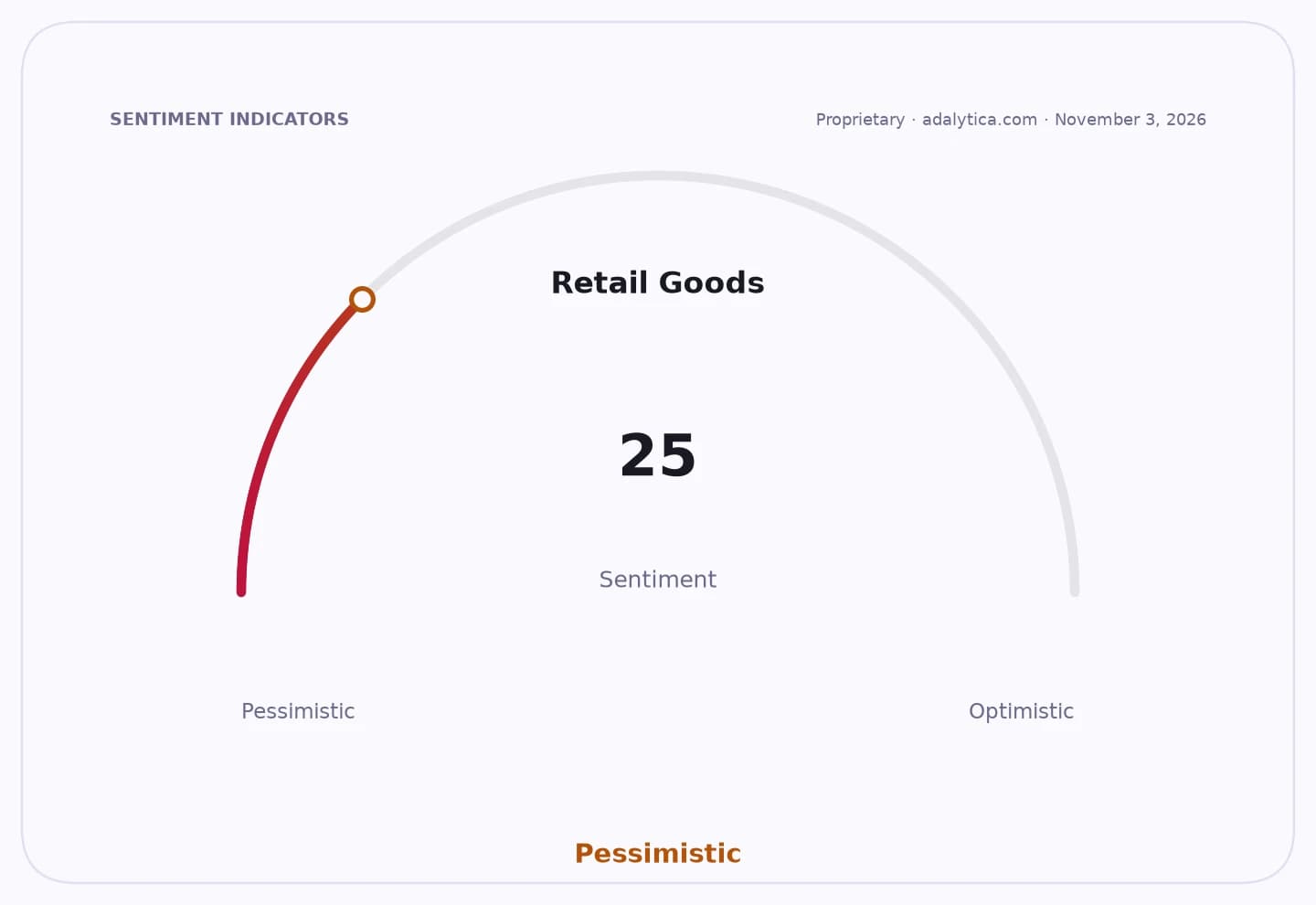
Sentiment Indicators
For investors, the significance lies less in the size of the budget line than in the policy direction. Hanoi’s willingness to subsidize electric routes adds another data point to Vietnam’s push toward cleaner urban mobility and suggests the public sector will remain an important buyer of electric buses and related equipment. That is relevant for manufacturers and suppliers exposed to the region’s electrification plans, including Chinese electric vehicle groups such as BYD, which have sought overseas growth as domestic competition intensifies. It also underscores that adoption in Southeast Asia will likely be subsidy-led, not purely market-driven.
The proposal fits a wider pattern of transport support in Vietnam, where policymakers have been expanding fare relief and social welfare spending to deepen public transit use. In Hanoi, the emphasis on routes connecting central areas with interchange points suggests the city wants to improve the utility of the existing network, not just add capacity. If the service proves popular, it could strengthen the case for additional electric routes and larger capital spending later.
The bear case is that recurring subsidies can become a fiscal burden if ridership disappoints or operating costs rise faster than planned. The bull case is that targeted support accelerates modal shift, reduces road congestion and lowers long-run environmental and health costs. For now, the key watch point is whether the city turns these two routes into a scalable model for further electrified bus expansion.
| Entity | Gains | Losses |
|---|---|---|
| Hanoi commuters | ▲Better feeder access | ▼Higher public subsidy burden |
| Electric bus operators | ▲Guaranteed route support | ▼Pressure to prove ridership |
| EV bus suppliers | ▲New procurement prospects | ▼Dependence on policy funding |
| City budget | ▲Potential transit efficiency gains | ▼Recurring fiscal cost |