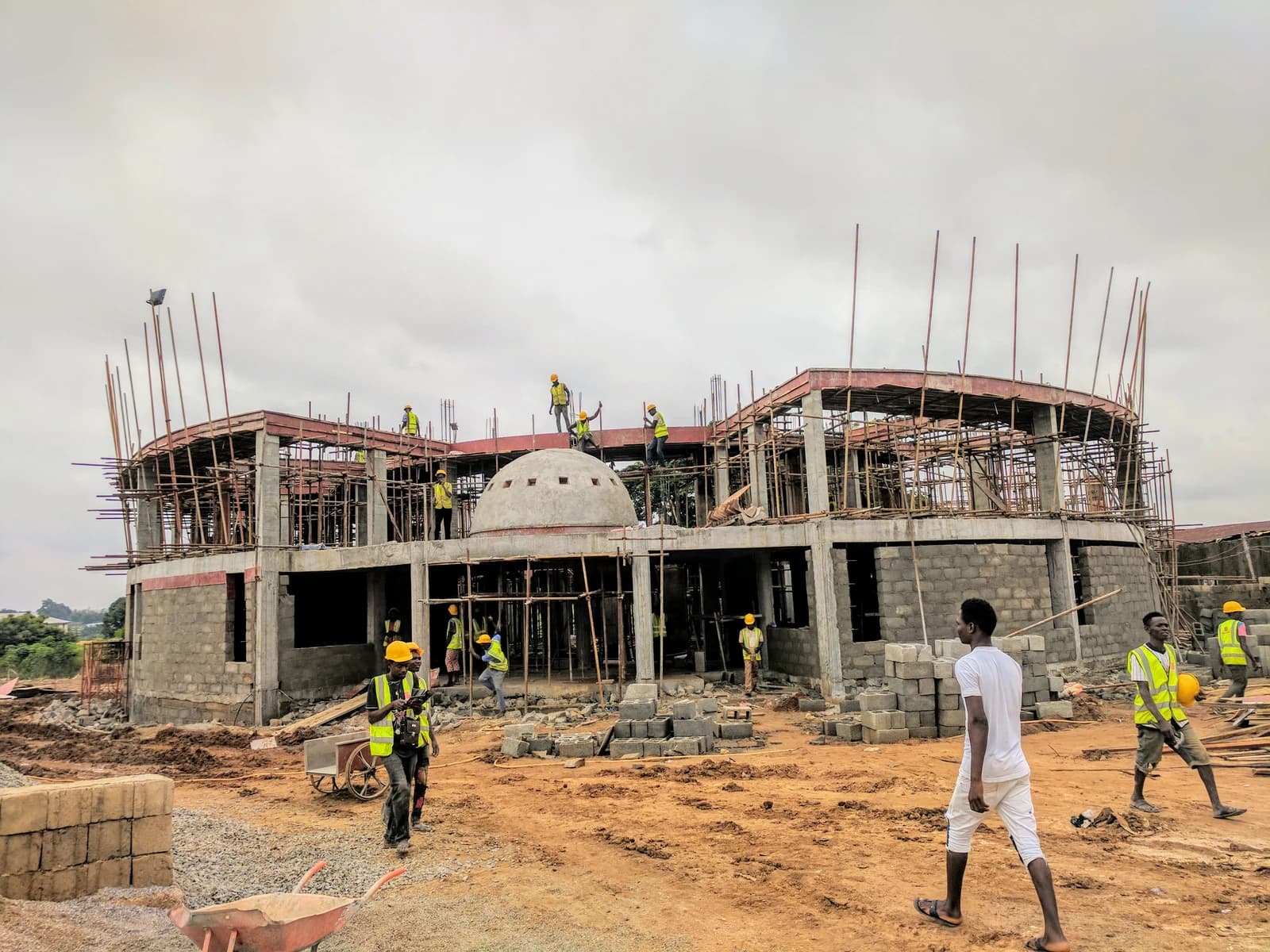
Hassan Allam says his company’s average monthly pay has climbed to about 50,000 Egyptian pounds, a figure that underscores how Egypt’s construction boom is reshaping hiring, wages and the economics of one of the country’s most important private-sector employers.
Hassan Allam pay rises to 50,000 Egyptian pounds
For investors and policymakers, the message is bigger than one contractor’s payroll. Construction has become a major transmission channel for state-led spending into jobs, supplier income and skills development, while also feeding a broader debate over whether public megaprojects crowd in private capital or simply redistribute it.
Sentiment IndicatorsⓘProprietary · adalytica.com · October 26, 2026
This is a snapshot — live sentiment, awareness and momentum for 130+ markets update continuously in the dashboard.Open AlphaPulse
Allam, speaking at the Egypt 2026 forum, said Hassan Allam’s workforce has grown from about 3,000 employees roughly a decade ago to nearly 50,000 today, with another 100,000 jobs supported indirectly. He said the group works with about 10,000 factories, suppliers and subcontractors in Egypt and abroad.
The comments land as wage pressures and labor demand remain in focus across emerging markets. Adalytica’s wage-inflation sentiment gauge is currently at 86, in “Extreme Greed,” reflecting heightened attention to pay growth, while its payroll snapshot shows still-neutral labor-market sentiment. That backdrop matters because construction is a labor-intensive sector, and pay gains at leading firms can spill over into contractor margins, project costs and worker expectations.
Allam argued that Egypt’s private contractors have gained scale and technical capacity from years of work on national projects, helping them win business outside the country. He said Egyptians working abroad on those projects can earn as much as $4,000 a month, or more than 200,000 pounds, highlighting how domestic state projects can translate into exportable know-how and foreign-currency earnings.
The company chief also pushed back against criticism that the state is squeezing private enterprise, saying the government acts as a regulator rather than a competitor and that not every company will succeed. His remarks reinforce a central theme for Egypt’s economy: public infrastructure spending is still a core engine of employment and industrial demand, even as officials and business leaders debate how to keep private firms competitive.
For investors, the key takeaway is that Egypt’s construction winners remain those with scale, government access and execution capacity, while smaller contractors may struggle to keep pace with wage inflation and rising project complexity. The next test will be whether the country can sustain project spending without eroding margins or slowing private-sector hiring.
| Entity | Gains | Losses |
|---|---|---|
| Hassan Allam | ▲Higher pay draw; stronger hiring appeal | ▼Margin pressure from rising wages |
| Egypt construction sector | ▲More jobs and supplier demand | ▼Higher project costs |
| Skilled workers | ▲Better salaries and mobility | ▼Weaker firms facing talent drain |
| Small contractors | ▲Greater subcontracting opportunities | ▼Competition from larger players |