HDFC Bank is giving savers better news at a time when deposit rates across India are starting to soften elsewhere: the lender has lifted returns on fixed deposits, a move that could materially improve interest income for households locking money away for longer terms.
HDFC Bank raises fixed deposit rates
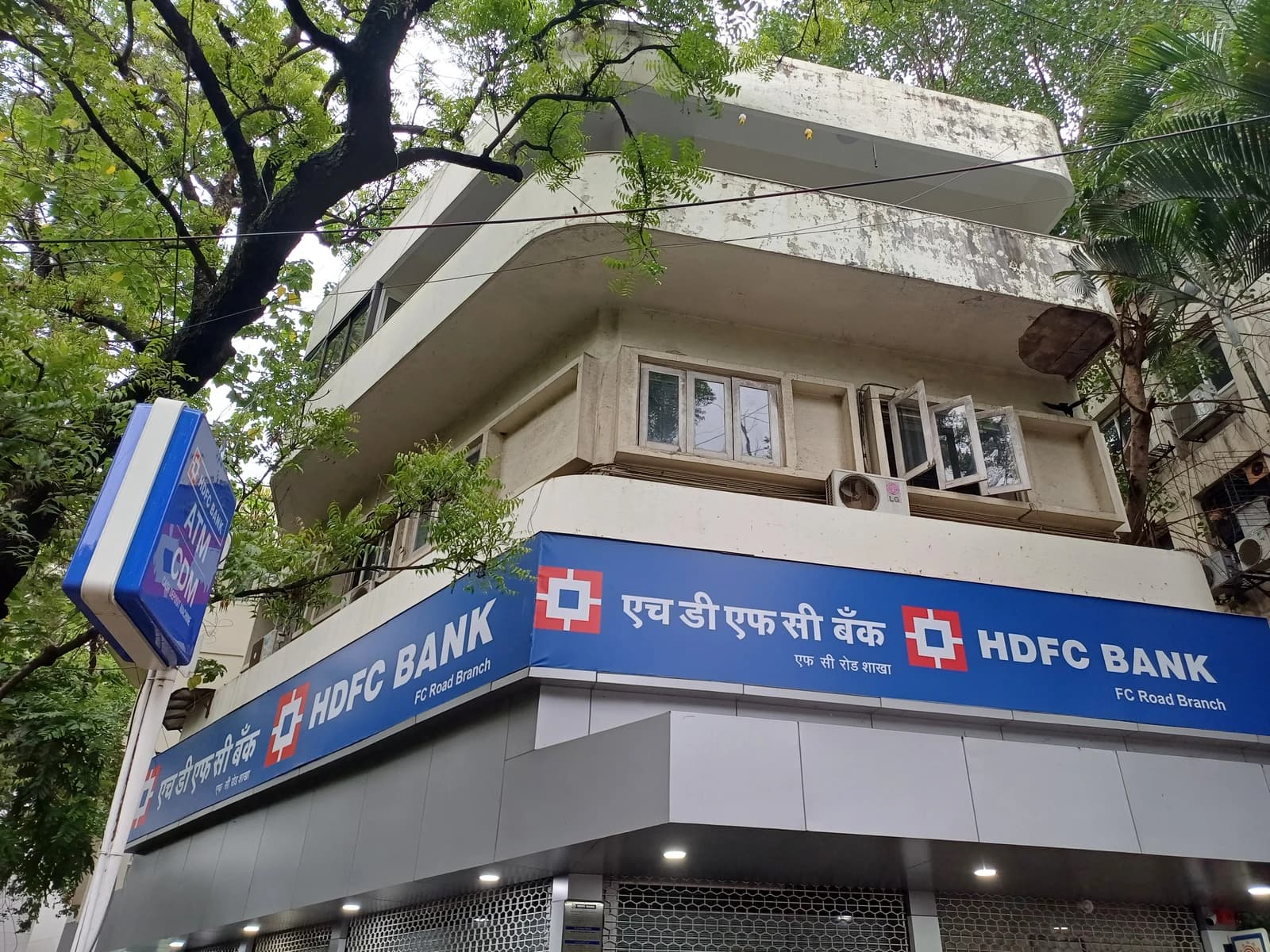
That matters because fixed deposits are still the backbone of savings for millions of Indian customers. Even a modest rate increase can change the math for long-term savers, especially when compounded over five years. The higher payout also signals that one of India’s biggest private banks is still competing hard for stable, low-cost funding, which is what banks need when liquidity is tighter and credit growth remains a focus.

For investors, the key question is not just what HDFC Bank is paying depositors today, but why. Banks rarely raise deposit rates in a vacuum. They do it when they want to attract or retain money, or when system-wide funding costs are becoming more expensive. That can squeeze margins in the near term, because a bank’s lending rates do not always adjust upward as quickly as deposit costs. But it can also be a sign of a franchise that is protecting growth, defending market share and planning for a larger loan book over time.
The broader backdrop helps explain the move. Across the banking sector, deposit pricing has been under pressure as lenders juggle funding needs and competition for savings. In that kind of environment, the biggest banks often have the most room to steer rates strategically: they can protect their deposit base without chasing money at any cost. That is important for HDFC Bank, whose long-term appeal rests on scale, brand strength and the ability to keep funding costs manageable while expanding lending.
The recent share-price action suggests investors are already weighing those trade-offs. HDFC Bank’s U.S.-listed shares have recovered from earlier weakness and recently traded above both the 50-day and 200-day moving averages, a sign the stock has rebuilt technical momentum after a rough stretch. But the move in fixed deposit rates is a reminder that the investment case still comes down to fundamentals: deposit growth, net interest margins, credit quality and the bank’s ability to compound earnings over years, not quarters.
If you are a long-term investor, this is the kind of development worth watching rather than reacting to. Higher deposit rates can be a cost headwind, but for a franchise as large as HDFC Bank, they can also reflect confidence, customer stickiness and a willingness to keep gathering low-risk funding in a competitive market. Over a five-year horizon, those are the ingredients that matter most. The stock remains one to keep on the watchlist.
| Entity | Gains | Losses |
|---|---|---|
| HDFC Bank | ▲stronger deposit inflows | ▼slightly higher funding costs |
| Savers/FD customers | ▲better five-year returns | ▼lower-rate environment elsewhere |
| Competitor banks | ▲nothing immediate | ▼pressure to match pricing |
| Long-term investors | ▲better visibility on franchise strength | ▼near-term margin pressure |