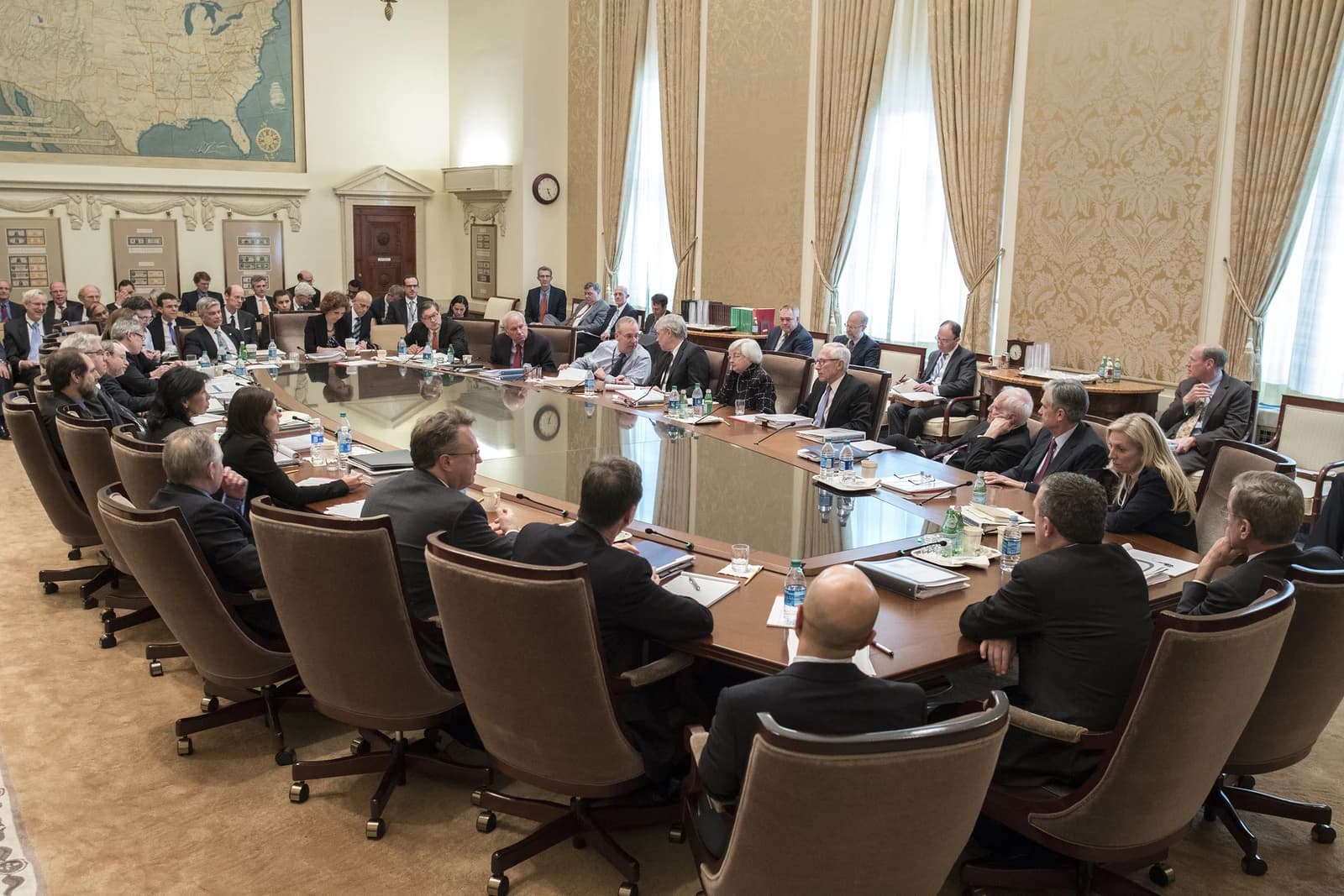
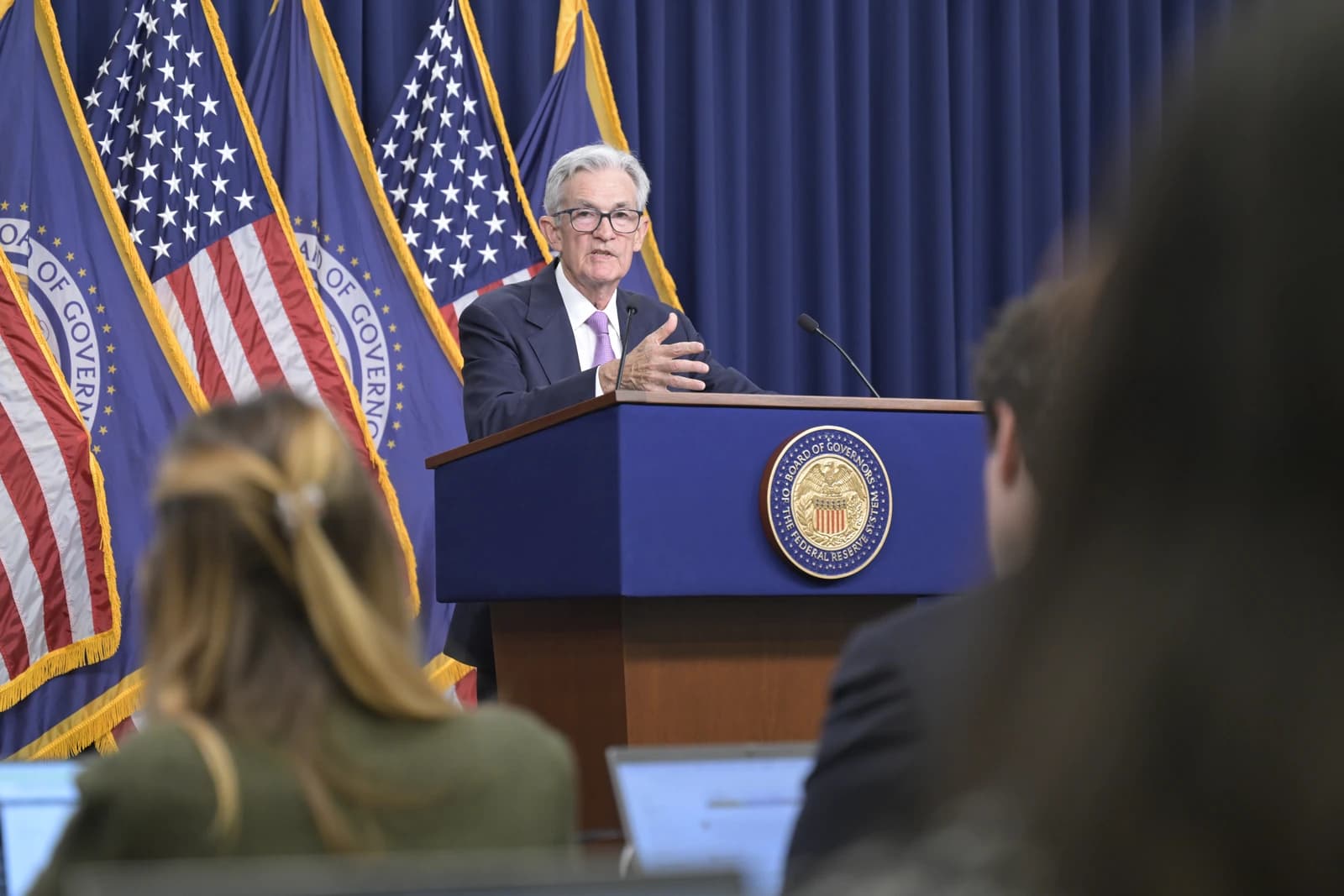
U.S. banks are heading into a period of closer congressional scrutiny just as borrowing costs remain high and credit conditions show signs of strain, a combination that could shape lending, capital returns and regulation across the sector.
U.S. Banks Face More Congressional Scrutiny
The political shift matters because Congress can influence how far regulators go on capital rules, consumer protection, merger reviews and oversight of lending standards. For banks, that raises the odds of more hearings, tougher disclosure demands and renewed pressure over fees, credit card practices and access to credit, even if the broader regulatory direction still depends on the White House and agencies.
Sentiment Indicators
The sector is entering that debate with rates still restrictive. The federal funds rate is projected at 3.89% for November, while the 10-year Treasury yield is near 4.83%, keeping funding costs elevated and making loan growth more selective. High-yield credit spreads have also widened from 2.97% in February to 3.34% in the latest reading, a sign investors are still demanding more compensation for risk. That backdrop leaves banks with less room to absorb political pressure without consequences for margins.
Share prices show the market has not yet priced in a major disruption, but it is also not treating the sector as risk-free. The Financial Select Sector SPDR Fund is trading at 58.40, above its 50-day and 200-day moving averages, while JPMorgan is at 343.58, also above both averages. The KBW Bank Index, at 66.21, remains below its July peak near 70.89, suggesting investors continue to favor the strongest balance sheets while staying cautious on the broader group.
Lending conditions are an important part of the story. Adalytica’s Credit Card Usage Sentiment gauge is in “Fear” territory, with awareness at “Extreme Fear,” a sign of softer consumer confidence around revolving credit. That could sharpen congressional interest in card rates, late fees and household debt burdens. Banks, for their part, will argue that tighter oversight is already baked into their risk models and that stronger capital and liquidity requirements since the financial crisis have made the system safer.
The bull case is that political scrutiny mostly changes the tone, not the economics: larger banks with diversified revenues, including JPMorgan, should be able to absorb higher compliance costs and still return capital. The bear case is that a more assertive Congress could amplify pressure on fee income, constrain M&A, and force banks to hold more capital against lending books at a time when margins are already being squeezed by a flatter curve and slower credit demand.
For investors, the key question is whether oversight turns into policy. If it does, regional banks and lenders more exposed to consumer credit and regulatory cost will likely face the biggest multiple pressure, while money-center firms may be better positioned to defend returns. What happens next will hinge on committee leadership, the scope of hearings and whether congressional attention translates into legislation or simply a louder supervisory backdrop.
| Entity | Gains | Losses |
|---|---|---|
| Large money-center banks | ▲More defensible scale | ▼Higher compliance burden |
| Regional banks | ▲Potentially looser public scrutiny | ▼More multiple pressure |
| Consumers/borrowers | ▲Stronger protection focus | ▼Tighter credit terms |
| Bank investors | ▲Clarity on rules | ▼Lower upside from fee income |