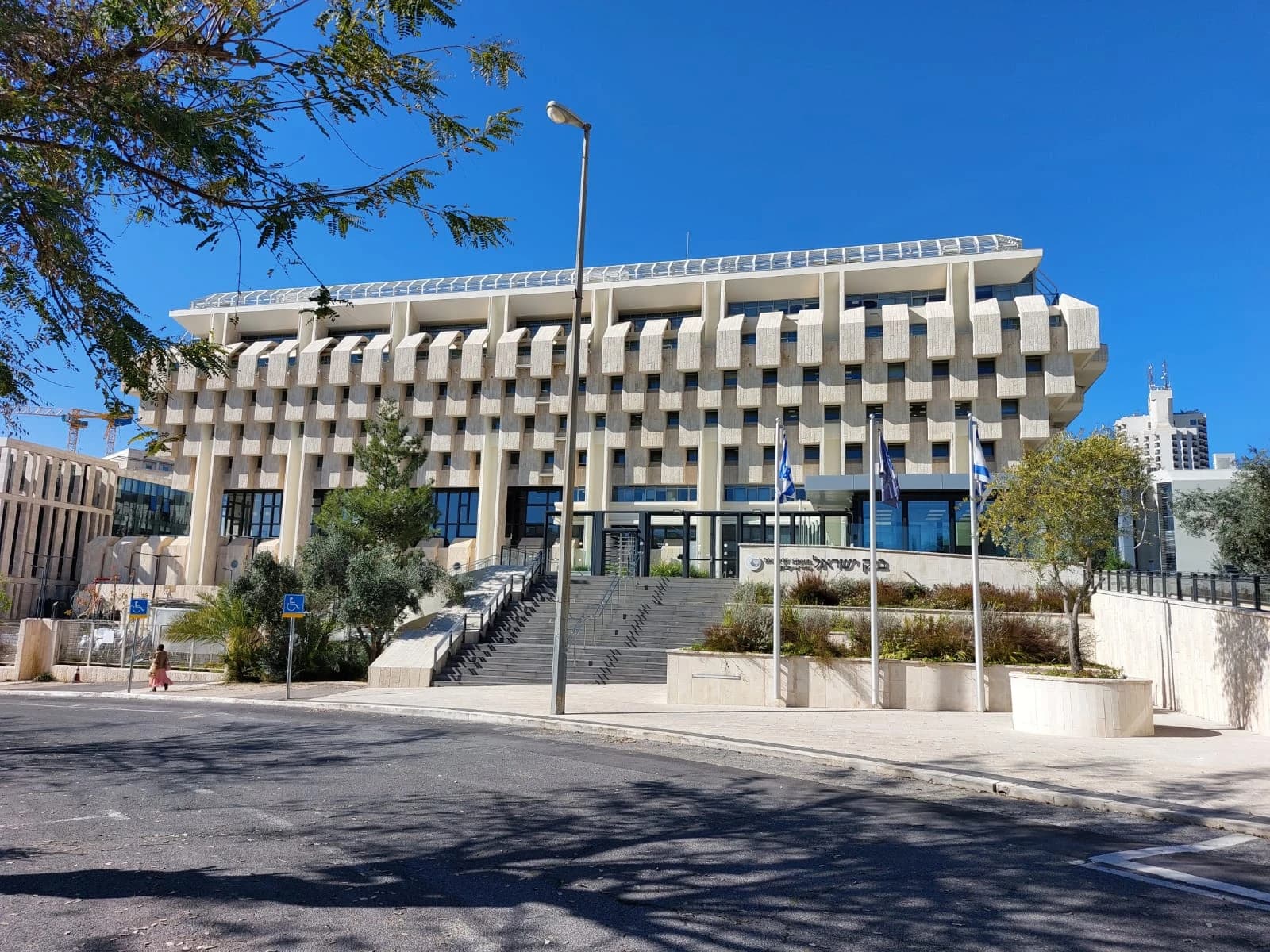
Business owners in Hebron are being pushed into a cash-flow crisis as an Israeli military siege drags into a seventh day, cutting off trade, forcing evacuations and leaving households and shopkeepers with debt obligations but no revenue.
Hebron businesses face cash-flow strain in siege
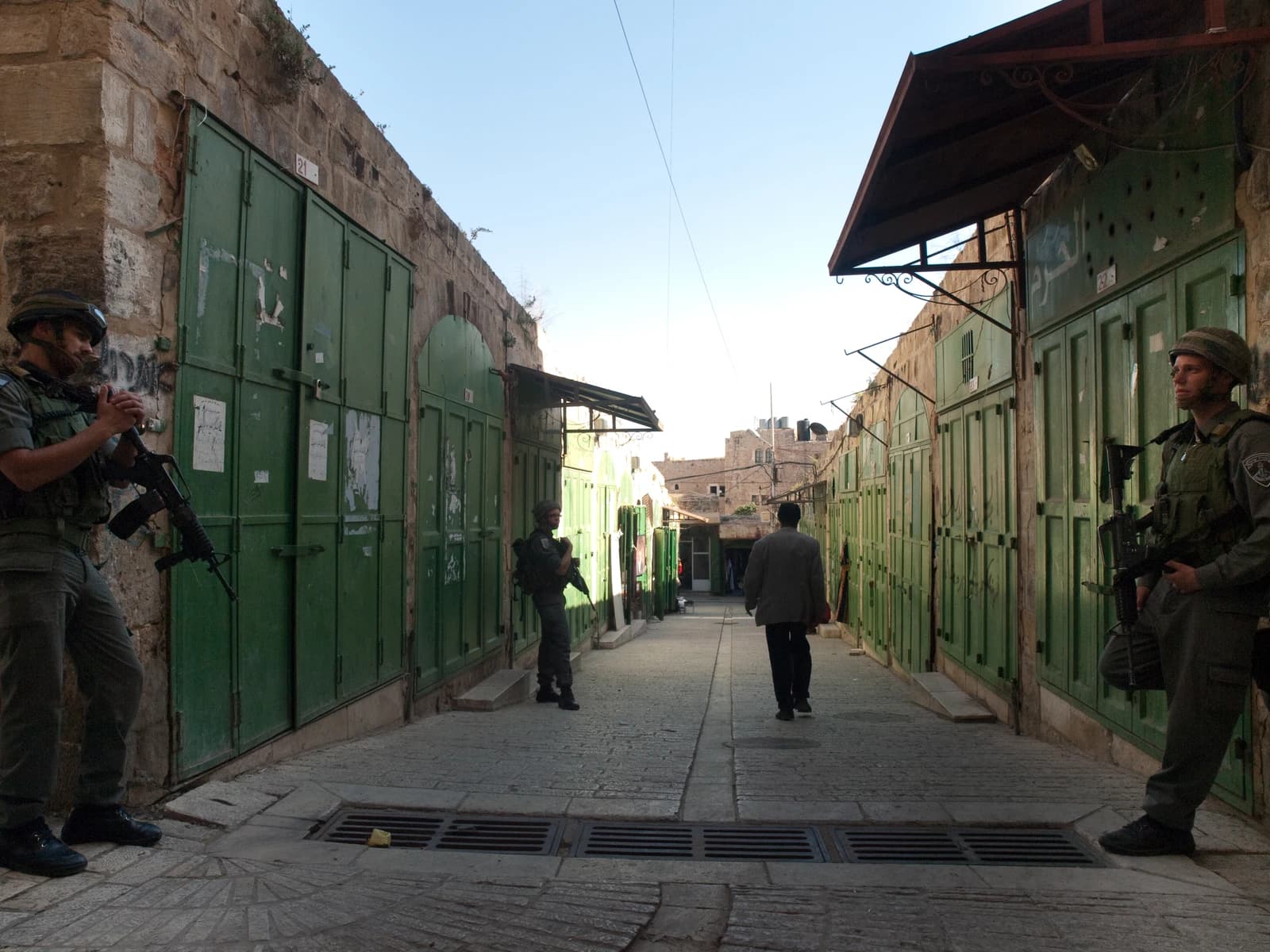
The siege matters economically because it does not just disrupt movement; it severs the working capital cycle that keeps small businesses alive. When merchants cannot open, restock or deliver, rent, wages, supplier invoices and loan payments keep coming due. In a city like Hebron, where commerce depends on local foot traffic and regional access, even a short shutdown can quickly turn into a solvency problem for family-run firms.
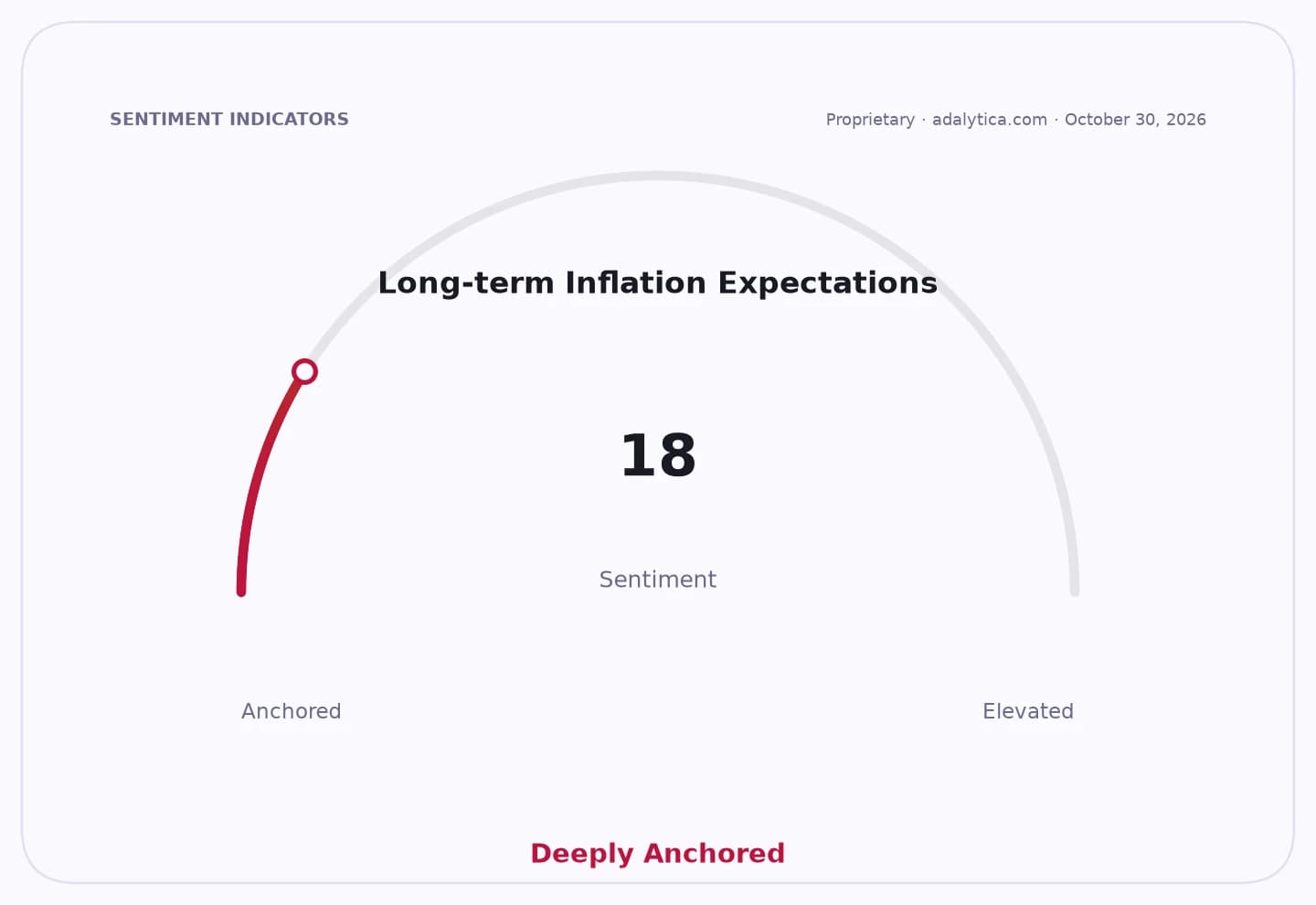
Sentiment Indicators
According to the latest reports, 19 Palestinians have been arrested and 250 families have been forced to evacuate, with the wider displacement affecting about 780 families. The restrictions have also spread beyond Hebron to nearby villages in Nablus, broadening the economic shock across the occupied West Bank. For local businesses, that means fewer customers, broken supply chains and a deeper hit to already fragile household demand.
The human cost is feeding directly into financial strain. Firms still owe landlords, suppliers and lenders even as sales disappear. That raises the risk of missed payments, arrears and defaults, especially among small businesses that rely on short-term credit and thin cash buffers. In the banking system, prolonged disruption in the West Bank can translate into higher loan-loss provisions if borrower repayment capacity deteriorates, echoing the warning signs already visible in regional credit portfolios when local economic conditions weaken.
For investors, the immediate market impact is less about direct exposure to Hebron than about the broader risk premium attached to Middle East instability. Escalating unrest tends to support haven assets and complicate the outlook for risk-sensitive markets by keeping pressure on confidence, trade routes and regional policy. The latest bout of tension also comes as investors are already watching for any spillover into energy markets, shipping insurance costs and defense spending.
There is also a more structural implication: prolonged siege conditions deepen economic scarring. Each day of forced closure increases the chance that small merchants will exhaust liquidity, lose suppliers and struggle to restart even after the military pressure eases. That can leave a lasting imprint on employment, credit quality and local consumption well after the immediate confrontation subsides.
For now, the key issue is whether the siege is contained or widens further. If restrictions persist, the damage to Hebron’s business community will likely move from temporary interruption to balance-sheet stress, with the burden falling hardest on families and small firms least able to absorb another loss of income.
| Entity | Gains | Losses |
|---|---|---|
| Israeli military authorities | ▲Tactical control | ▼Local economic activity |
| Hebron business owners | ▲None | ▼Income, liquidity |
| Local families | ▲None | ▼Housing stability, cash flow |
| Lenders and suppliers | ▲Short-term repayment pressure | ▼Rising credit risk |