Ho Chi Minh City has temporarily allowed gasoline and oil trading on the water surface to keep fuel moving for fishing boats and other vessels while operators complete permits for pontoon berths, a move that underscores how local bureaucracy can still interrupt a critical supply chain in Vietnam’s coastal economy.
Ho Chi Minh City allows water-surface fuel trading
The policy matters because marine fuel is not a niche convenience in southern Vietnam; it is a working input for offshore fishing, water transport and the wider blue-economy ecosystem. By loosening the rules on floating fuel points, the city is trying to avoid shortages and delays that could keep vessels in port, disrupt catch cycles and raise operating costs for fishermen already exposed to volatile fuel prices.
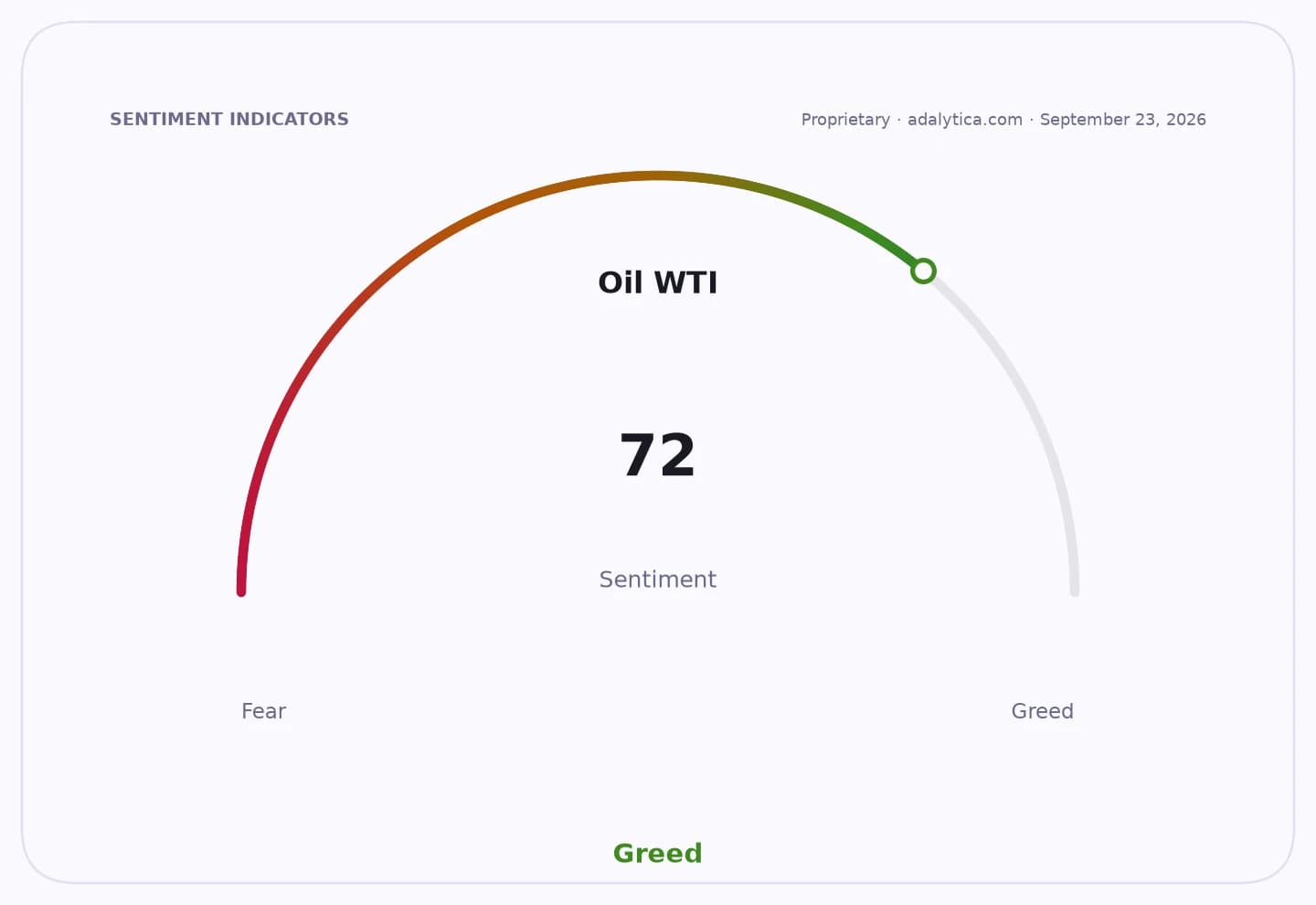
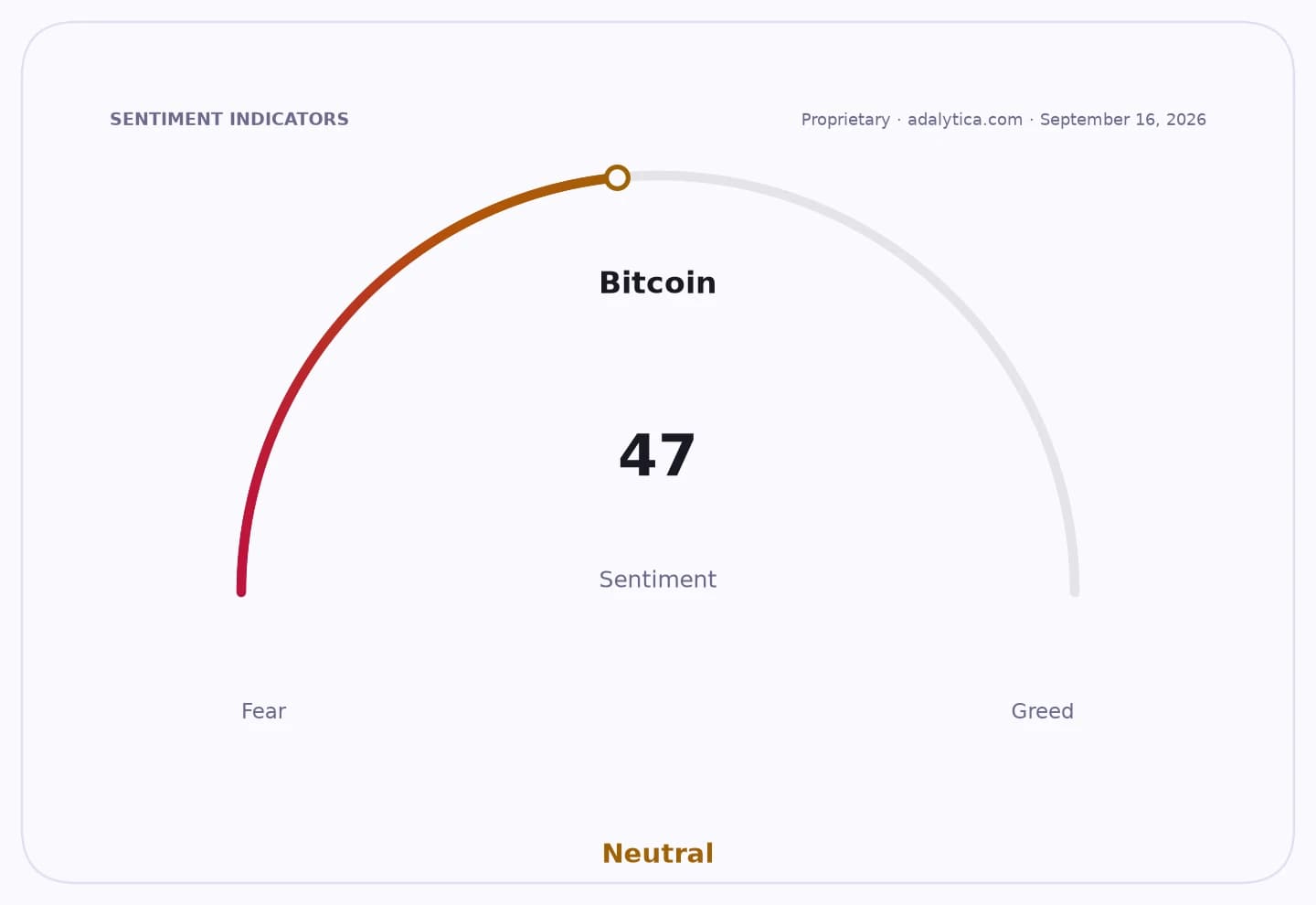
Sentiment IndicatorsⓘProprietary · adalytica.com · September 4, 2026
This is a snapshot — live sentiment, awareness and momentum for 130+ markets update continuously in the dashboard.Open AlphaPulse
Under the city’s directive, planning and construction agencies must add proposed water-surface fuel locations into the master plan, while the trade department is tasked with monitoring the market and ensuring supply until businesses finish thủ tục, or administrative approvals. The government also said it will shorten the time needed to issue retail fuel certificates once conditions on inland waterway berths, fire safety and environmental standards are met.
That sequencing is economically important. It suggests the authorities are not abandoning regulation, but trying to bridge the gap between real-world logistics and formal compliance. For investors and lenders, that tends to favor operators able to navigate permits quickly and meet safety standards, while reducing the risk that smaller, less prepared players are left stranded by delayed approvals.
The decision also reflects a broader fuel-logistics problem seen in other markets, where shortages, distribution bottlenecks and administrative restrictions have had outsized effects on end users. Recent global fuel stress has kept attention on supply-chain resilience, and Vietnam’s move shows how even a relatively small regulatory adjustment can matter when diesel and gasoline are tied directly to livelihoods and local trade flows.
For the domestic market, the immediate winners are vessel operators, fishermen and compliant fuel suppliers with access to floating or waterfront infrastructure. The main losers are businesses still stuck in the licensing pipeline, and any operators unable to meet fire, environmental and navigation rules that the city said it will enforce.
| Entity | Gains | Losses |
|---|---|---|
| Fishermen and vessel operators | ▲More reliable fuel access | ▼Less downtime at port |
| Compliant fuel traders | ▲Faster market entry | ▼Higher compliance burden |
| Ho Chi Minh City authorities | ▲Reduced supply disruption | ▼More enforcement workload |
| Unlicensed or delayed operators | ▲Temporary flexibility | ▼Risk of suspension |