Hoa Phat’s egg business is moving a lot of product but barely moving profits, underscoring why the Vietnamese industrial giant still keeps laying hens in the portfolio: the chickens help feed its own feed mills and keep the company’s consumer brand in front of shoppers.
Hoa Phat HPA Egg Sales Rise as Profits Fall
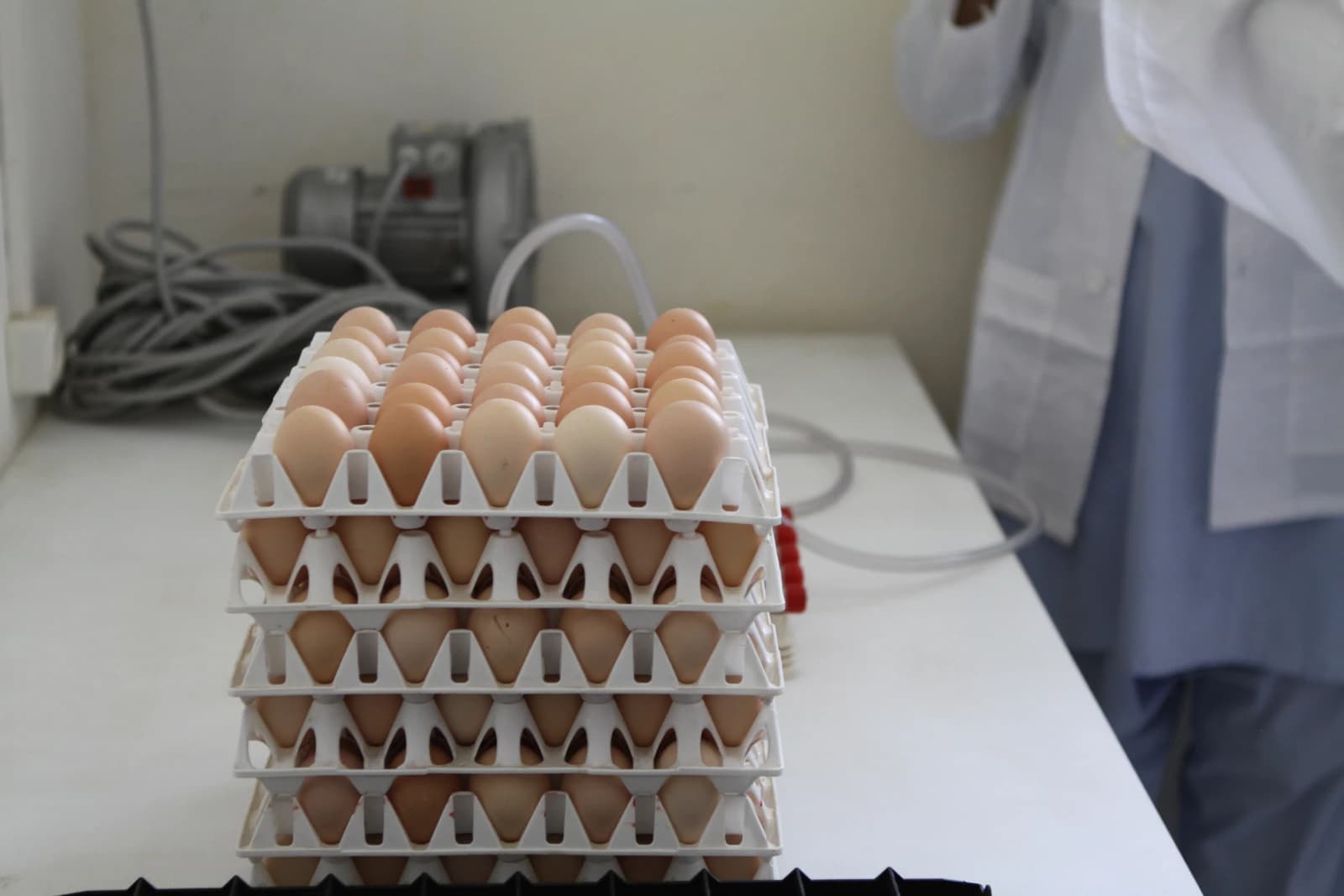
Hoa Phat Agriculture Development JSC, listed in Ho Chi Minh City under the HPA ticker and controlled by billionaire Tran Dinh Long’s group, said it sold more than 258 million eggs in the first nine months of 2026, or nearly 1 million a day. That was up about 3% from a year earlier, with third-quarter sales topping 87 million eggs.
But eggs accounted for only about 11% of revenue and just 1% of after-tax profit in the period, even as pig farming generated 66% of profit and animal feed contributed 28%. HPA said poultry profit fell 65% year on year as egg prices eased from the elevated levels seen in 2025, when tighter supply encouraged many producers to expand output.
The margin squeeze matters because it shows how quickly an apparently attractive agricultural market can cool once supply catches up with demand. HPA said oversupply could linger into 2027, especially in southern Vietnam, while the northern market where it leads remains less pressured.
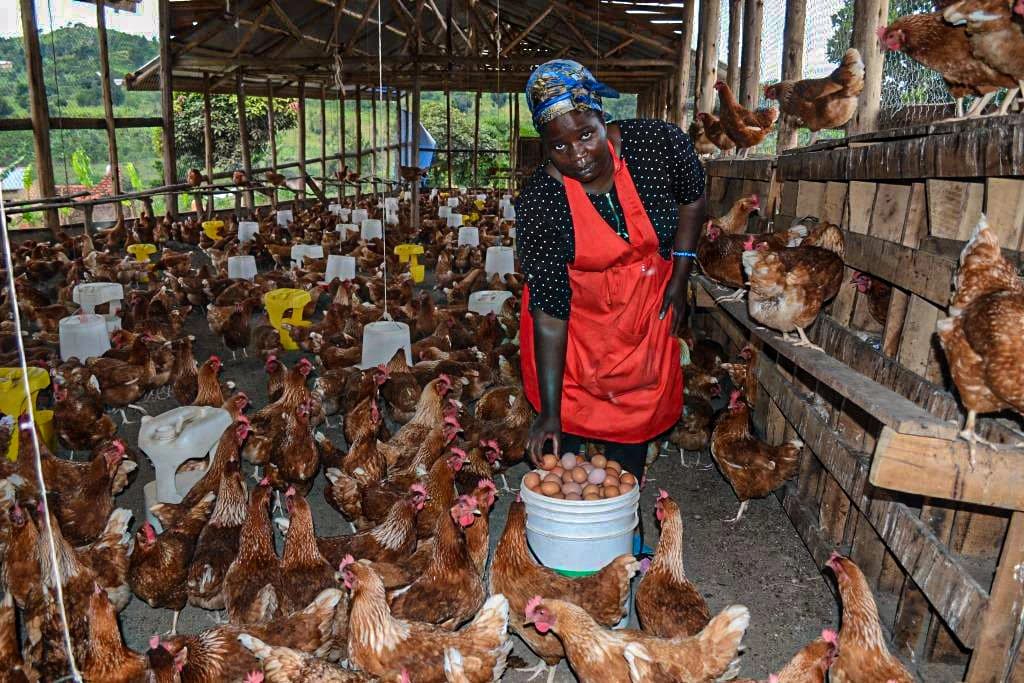
Yet the company is not treating eggs as a standalone profit engine. Management said the chicken business creates steady demand for about 5,000 tons of feed a month, or roughly 60,000 tons a year, helping absorb output from its two feed mills, which have combined capacity of 600,000 tons annually.
The eggs also serve a branding function. Unlike hogs and cattle, which are mostly sold through intermediaries, eggs reach supermarkets, convenience channels, hotels and school kitchens under the Hoa Phat name, giving the agriculture arm direct visibility with end consumers.
HPA said it still plans to keep annual egg output around 336 million by 2030 while prioritizing expansion in pig farming and feed capacity. For investors, the message is that eggs are less about earnings today than about supporting the wider feed-farm-food model and building a consumer franchise that could matter later.
| Entity | Gains | Losses |
|---|---|---|
| Hoa Phat feed mills | ▲Steady internal demand | ▼Less reliance on outside buyers |
| HPA poultry unit | ▲Brand reach and feed consumption | ▼Thin margins on eggs |
| Pig farming arm | ▲Greater profit contribution | ▼Less capital attention risk to poultry |
| Egg producers in Vietnam | ▲None from higher supply | ▼Lower prices, weaker margins |